Many individuals wait for perfect moments for starting their career journey. Experts suggest there is never wrong timing for making connections. Whether still in school or re-entering the work force, your professional network serves as a vital resource.
Effective networking is not just about collecting names or business cards. It involves nurturing long-term relationships with diverse people for meaningful growth. Consistent networking provides value and access for hidden opportunities within your specific field. Such authentic bonds often lead towards unexpected paths.
Through networking, you find like-minded people in your industry. By building network habits early, you shouldn’t see such circles as something only for extroverts. Instead, think of it as a tool for mutual support.
Strong circles provide growth for everyone involved. This professional career strategy is just as important as technical skills for long-term success. Anyone can master these practical skills with the right mindset. Starting from scratch is completely normal for everyone.
Key Takeaways
- Networking involves long-term bonds focused on mutual support.
- It is never too early for starting your connections.
- Authentic relationships matter more than quantity of business cards.
- Strong growth provides access for hidden opportunities.
- Developing these social skills is as critical as mastering technical tasks.
- Mastering your strategy transforms intimidating tasks into systematic habits.
Why Building a Strong Professional Network Is Essential for Career Success
Understanding the true value of professional connections is the first step toward unlocking doors that seem otherwise bolted shut. A vibrant network provides more than just a list of names in your contact list. It acts as a primary driver for career growth and long-term stability in any field.
Access to Hidden Job Opportunities and Career Advancement
Many of the best job opportunities are never publicly advertised on a standard board. Instead, companies fill these roles through personal connections and referrals from trusted people. By networking, you gain early access to these roles before they reach the public media.
“Your network is your net worth.”
Knowledge Sharing and Industry Insights That Keep You Relevant
The business world changes quickly, making it hard to stay current. Engaging with other professionals allows for constant knowledge sharing and fresh insights. This information helps you master new skills and understand the latest trends in your industry.
Professional Support System and Mentorship Guidance
A reliable support system is vital during difficult transitions or complex projects at work. You can turn to experts and mentors for advice and guidance based on their experience. Having these people in your corner saves time and prevents the isolation often felt in the modern field.
| Benefit Category | Key Value | Career Outcome |
|---|---|---|
| Hidden Market | Direct Referrals | Faster job placement |
| Skill Growth | Direct Learning | Higher industry relevance |
| Mentorship | Expert Advice | Better decision-making |
| Reputation | Visibility | Increased trust |
Building Your Personal Brand and Industry Reputation
Your reputation grows naturally as you interact with others in a meaningful way. When you consistently share your expertise, professionals begin to trust your capabilities. This visibility leads to new opportunities and reinforces your brand within your industry.
Focusing on your network ensures you never have to navigate your career journey alone. Consistent interaction provides the information and networking power needed to thrive. High-quality people in your circle will always help you reach your goals faster.
How to Build a Professional Network: Start With Self-Reflection
The foundation of a good professional network lies in self-awareness and clarity of purpose. It is not just about how many people you can bring into your orbit. Instead, focus on how those connections help you reach your goals and how you can give back.
Before diving into networking, take time to reflect on what you truly want to achieve. This proactive way of thinking maximizes your future efforts and saves energy. You can start forming relationships that are helpful to everyone involved when you define your intent clearly.
Define Your Networking Goals and What You Want to Achieve
Think about the specific outcomes you seek in your chosen field. You might want to find mentorship or discover hidden job opportunities. Other tips suggest looking for industry-specific information to stay ahead of market trends.

Career coaching experts confirm that defining goals directly helps you receive support more effectively. It allows you to communicate your needs with professionals without any confusion. Always keep your long-term career path in mind during this initial planning phase.
Identify What Value You Can Contribute to Others
Successful networks rely on reciprocity to survive and grow. You must identify what value you can provide to others in return for their assistance. This might include sharing your experience, providing emotional support, or offering unique skills.
Effective strategies involve recognizing that every person has something unique to offer. When you contribute work or insights, you build a stronger network over a long period. This approach makes every interaction more meaningful and productive for the whole industry.
Create Your Personal Value Statement
A personal value statement serves as a concise representation of your professional identity. It is a powerful tool to keep in your networking toolkit for events. This short statement helps you present yourself with total confidence and clarity.
“Networking is not about just connecting people. It’s about connecting people with people, people with ideas, and people with opportunities.”
Introduce Yourself and Your Current Professional Role
Start with a brief introduction of who you are and where you currently work. Mention your official title and the primary responsibilities you handle in your daily routine. This gives the listener a clear starting point for a deeper conversation.
Highlight Your Strengths, Skills, and Areas of Passion
Explain what you do best and what you enjoy most about your career. Highlighting your skills helps people understand how you might fit into their own upcoming projects. Focus on the specific areas where you have built the most expertise.
Articulate Your Career Goals and Aspirations
Clearly state where you want to be in the next few years of your life. Whether you want to lead a team or master a new technology, be specific about your intended path. This clarity makes it easier for new contacts to offer relevant guidance.
Outline Your Proactive Approach to Achieving Those Goals
Describe the exact steps you are currently taking to reach your targets. Show that you are actively learning and growing within your field every single day. This demonstrates your commitment to your professional growth and inspires trust in your ability.
| Networking Mode | Primary Benefit | Best Environment |
|---|---|---|
| In-Person | High Engagement | Industry Conferences |
| Virtual Platforms | Global Reach | LinkedIn Groups |
| One-on-One | Deep Mentorship | Coffee Chats |
Step-by-Step Strategies to Build Your Professional Network From Scratch
If you want to start building a people network, follow these proven methods for long-term success. You should focus on genuine relationships rather than just collecting contacts. These strategies ensure you have support when you need it most during your career.
This building network process takes time and consistent effort. However, learning how to build a professional network provides a safety net for your future. Use these ways to meet others and share value early on.
Step 1: Start With Your Existing Connections and Inner Circle
Your current network includes people you already know and trust. Reach out to friends, family members, and former classmates to share your goals. They might not work in your specific field, but they can provide access to relevant people.
Even your old professors or alumni groups can be great sources of information. They often have knowledge of specific openings that never reach public boards. Engaging with your inner circle helps you gain confidence before moving to experts.
Step 2: Leverage LinkedIn and Digital Networking Platforms
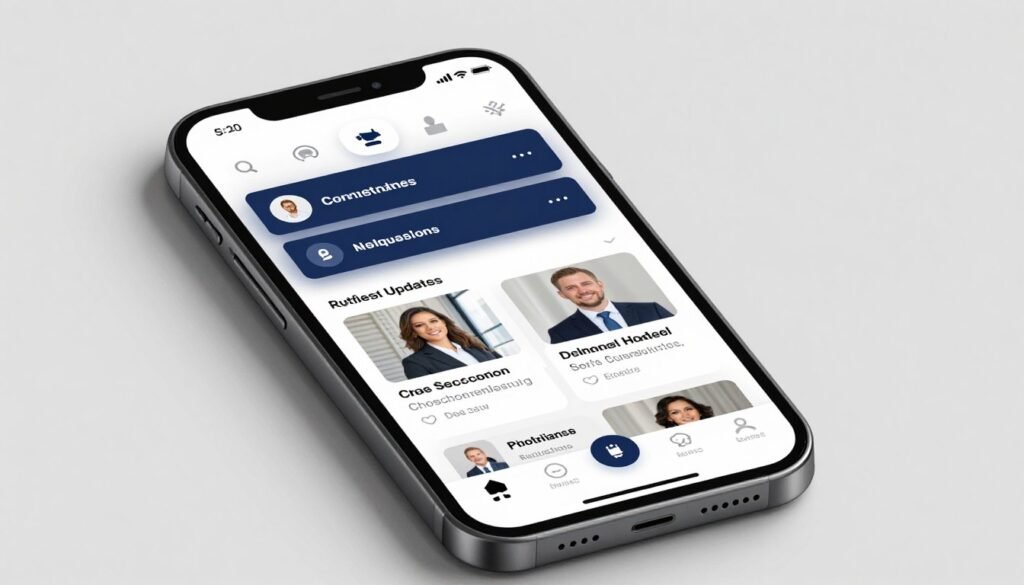
Digital platforms like LinkedIn are essential for modern networking. Use social media to follow leaders and join groups related to your business interests. Asking for warm connections through media contacts is a smart way to reach busy professionals.
Optimizing your profile is one of the best tips for attracting the right minds. Post insights about your field to show your skills to a wider audience. Different networks help you grow in diverse directions at the same time.
Step 3: Attend Industry Events, Conferences, and Workshops

Local networking events provide a space for face-to-face conversation. When you attend these events, ask about the work and experiences of professionals first. These networking events are perfect for finding a mentor who can offer guidance.
Always prepare a few questions about current business trends to keep things moving. This shows you are active in the industry and ready to learn. Physical events create a lasting impression that digital tools sometimes miss.
Step 4: Join Professional Organizations and Industry-Specific Groups
Joining an industry group provides a structured people network to meet peers. These organizations offer information and tips that are hard to find elsewhere. You will gain a stronger professional network and stay updated on the latest job trends.
Membership often includes workshops that help sharpen your skills. Many of these groups host monthly networking nights for members. It is a reliable network for finding hidden opportunities in your local area.
Step 5: Request and Conduct Informational Interviews
An informational interview is a casual meeting to gather advice from experts. Use this time to learn how they navigated their own career path. This is not a job interview; it is a chance to build relationships.
Be respectful of their schedule and keep the meeting brief. Always follow up with a thank-you note to nurture the network for the long term. This approach turns a simple networking chat into a lasting bond.
How to Maintain and Expand Your Network Over Time
Sustaining a healthy professional network is a marathon that rewards those who invest time in long-term bonds. You should focus on building trust long before you actually need a favor or a new job. Authenticity is your greatest asset when you engage with new contacts in your industry.
Master the Framework for Effective Networking Conversations
Approaching a new conversation can feel scary if you do not have a plan. Using a simple structure helps you stay calm and professional during networking events. These tips ensure your interactions remain focused and productive for both parties.
Express Genuine Curiosity About Others’ Career Journeys
Start by asking about the experiences and work history of the other person. People love to share their insights and how they reached their current business goals. This way, you build a foundation of respect and show that you value their unique knowledge.
Share Your Personal Value Statement Clearly
When it is your turn to speak, explain your skills and what you offer to the field. Be brief and highlight how your career path aligns with current industry needs. Clear communication helps others understand how they can provide support or guidance.
Ask for Recommendations and Respect Time Boundaries
Always ask if they know any other professionals you should meet to expand your people network. Keep the conversation under thirty minutes to show you respect their busy schedule. Leaving a positive impression is better than taking up too much of their time.
Follow Up Consistently and Nurture Relationships Long-Term
Do not let your contacts go cold after initial events or meetings. Send a quick note to thank them for their advice and the information they shared. Regular check-ins keep you fresh in their mind and help turn simple connections into professional relationships.
Practice Reciprocal Networking by Giving Back to Your Connections
Effective networking is a two-way street that requires strategies for mutual growth. Offer your own insights or share opportunities you find that might help their business. By giving support, you strengthen your networks and ensure they stay active and helpful.
Identify Your Networking Type and Adapt Your Approach
Everyone has a different style when they start building a people network. Understanding your natural skills allows you to navigate the field more comfortably. Check the table below to see which style fits your personality best.
| Networker Type | Primary Focus | Core Strength |
|---|---|---|
| Convener | Deep, internal ties | Building high trust |
| Broker | Bridging different groups | Linking diverse access |
| Expansionist | Large-scale visibility | Finding many opportunities |
Choose a style that feels right for you and your specific job search goals. When you are honest about your approach, you form better relationships and find more success. Consistency is the real key to making networks work for you over the years.
Conclusion
Building a strong professional network is more than just a smart career strategy. It is a vital component of long-term success. Establishing authentic relationships with people across your field is achievable for everyone regardless of their starting point.
Whether you are a beginner or one of many seasoned professionals, your effort counts. Initiating these connections might initially seem difficult or intimidating. However, the strategies and tips provided in this guide make networking a systematic process.
Approach each conversation with curiosity and a willingness to support others. This way, you ensure your professional network remains a sustainable resource. The process of building network value takes genuine effort but pays off throughout your life.
A healthy network serves as one of your most valuable assets. It provides continuous access to a hidden job market and unique insights. You can receive guidance and knowledge from experts with years of experience.
These new opportunities often arise through trusted networks rather than social media or digital platforms. Successful networking requires a mindset of reciprocity. Share your skills, advice, and useful information to offer value within your industry.
Start building your circle today by attending events and trying different ways to connect. Keep an open mind as you work on your people network. Investing time into your professional network will transform your business and job opportunities for years to come.