
Why Axipro stays on the readiness side of compliance
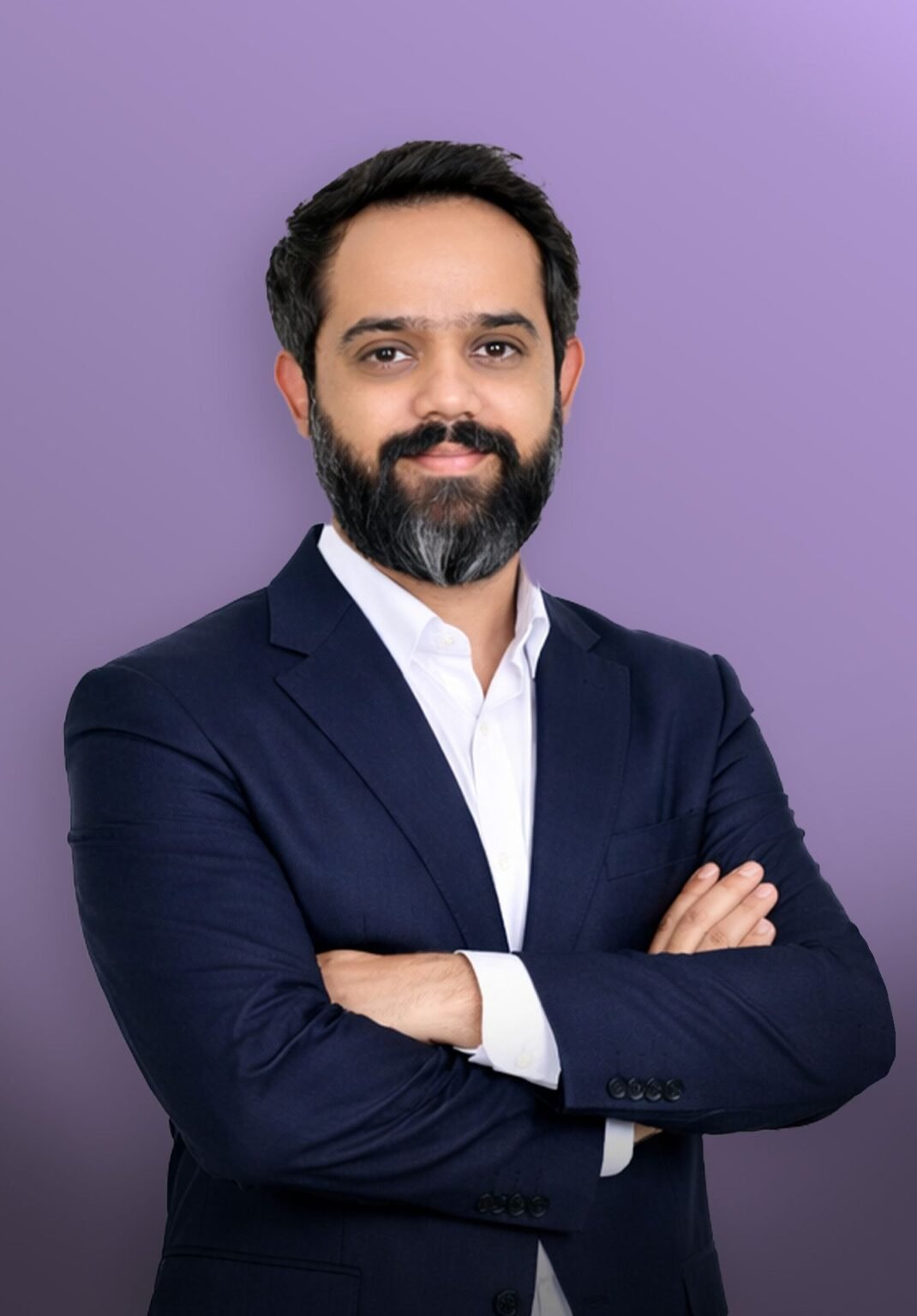
Ali Hayat is CEO of Axipro, which prepares firms for SOC 2, ISO 27001 and more than 20 other frameworks. This conversation explores why Axipro focuses on readiness rather than audits, how referrals and platform partners bring in clients, and why compliance tools still need expert judgment.
Compliance tools can collect evidence, but clients still need expert judgment about which controls apply and what to fix. Axipro’s experience shows the value of setting clear project limits and keeping readiness separate from independent audits.
What’s the short story of how your business started, and what makes it genuinely different from the other options your customers have?
The company officialy started in October 2023, but the story really begins about a year earlier. My first child was born in 202, I had about $200 to my name and I had just quit my job. I had spent close to ten years in quality, health and safety roles in oil and gas, at SABIC in Jubail, on Aramco projects, and with ADNOC and TotalEnergies in the UAE. After that I moved into information security as a senior auditor at Insight Assurance.
On the audit side I kept seeing the same problem. Companies showed up to their SOC 2 or ISO 27001 audit unprepared. Usually they had bought a compliance tool and assumed the tool would do all the work. It mostly doesn’t. Someone still has to work out what each control means for that particular business, and then do the work.
So I started Axipro to focus on readiness, not audits. We get a company to the point where the audit is just a formality, and then an independent auditor takes over. The difference is that many of us at Axipro sat in the auditor’s chair, so we know what the auditor will ask for before they ask. We’re a Drata Elite Partner and we also work with Vanta, which means clients aren’t tied to one platform. We’re CREST certified for penetration testing too, so a client can get readiness and their pentest from one team. Readiness is a fixed fee starting at $4,000, so nobody gets a surprise invoice halfway through.
How did you win your first customers, and where does most of your new business come from today?
The first customers came from people I knew through audit work. After a few years of auditing you know a lot of founders, CTOs and other auditors, and those conversations turned into our first projects. For the first year, nearly all our growth came from word of mouth.
Now we have more than 300 clients, and the biggest source is our GRC platform partners. A company buys Drata or Vanta, finds out the software can’t do the thinking for them, and gets sent to us. Auditors and existing clients refer people too. Over the last year, search and content have become a real channel, and we’ve started running paid search as well. Still, most clients reach us because someone they trust told them to call us.
What’s one decision that changed the direction of your business, and one mistake that taught you the most?
The decision was to stay on the readiness side and not become an audit firm. Selling the audit alongside the preparation would have been easy money. But it would have damaged the independence that makes an audit worth anything, and it would have put us in competition with the auditors we depend on. Staying on one side of that line is why audit firms and GRC platforms are comfortable sending clients to us.
The mistake was saying yes to everything at the start: any framework, any company size, any deadline. The team got stretched, and some projects ran longer than they should have. One line has stuck with me since then: once you accept your limits, you can go beyond them. We got better when we were clear about what we do well and agreed scope and timelines in writing before we started.
What has changed in your industry or in what your customers expect over the last couple of years, and how have you adapted?
Two things have changed. First, the GRC platforms automated much of the evidence collection, so clients now expect to be ready in weeks, not months. Nobody wants to pay a consultant to take screenshots anymore. They pay for judgment: which controls really apply, how to scope the audit, and what to say when an enterprise buyer’s security team starts pushing.
Second, AI. Our clients are building AI into their products, and their customers want to know how it’s governed. Two years ago almost nobody asked us about ISO 42001 or the EU AI Act. Now it comes up all the time.
We’ve adapted in a few ways. We added ISO 42001 to our services, and pentesting with CREST certification. We grew from a small team to more than 35 people. Internally we use AI automation for the repetitive work, but a person always reviews what goes to a client. In this industry, if a mistake gets through, it’s the client who pays for it in front of their auditor.
If you were advising someone starting out in your industry today, what would you tell them to do first, and what would you tell them to ignore?
Start by learning one framework properly, SOC 2 or ISO 27001, and if you can, sit through real audits. Once you’ve seen what an auditor actually tests, as opposed to what the standard says on paper, you can tell a client what to fix first and what can wait. That knowledge is what people pay for.
Ignore the idea that a platform or an AI tool can do the job for you. The tools are good, and we use them every day, but they don’t understand a client’s business. Also ignore the pressure to offer every new framework the moment it gets popular. Be very good at a few things first, then grow from there.
Thank you to Ali Hayat and the team at Axipro for sharing what actually worked with Leaders Perception readers.
Want to tell the story behind your business?
Leaders Perception publishes interviews with business owners and leaders every week. Five questions, about ten minutes, no calls. It is free and every completed interview gets published.