
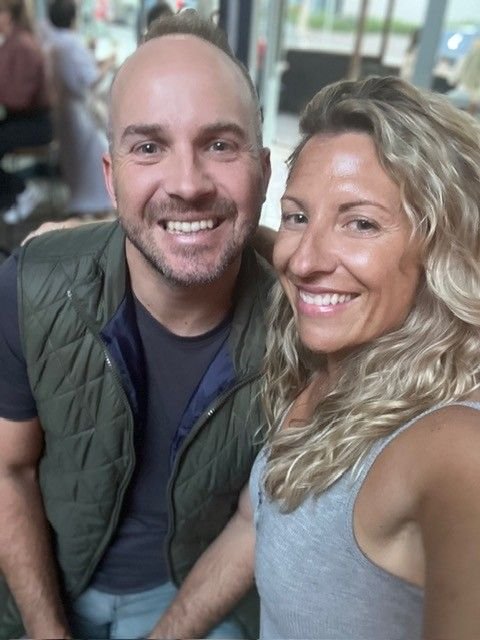
Natalie Adams on hiring the people who shape startups
Natalie Adams is Co-Founder of The Search Experience, a recruitment firm that hires go-to-market and technical talent for early-stage, venture-backed tech startups, primarily Seed to Series C companies in the US. The conversation traces how referrals helped build the business, why it expanded into technical hiring, and how it helps founders set realistic hiring expectations.
In early-stage recruitment, a trusted niche and a clear understanding of a founder’s needs matter more than chasing every fee or hiring by volume. Selective, consistent work can build expertise and relationships that last beyond a single placement.
What’s the short story of how your business started, and what makes it genuinely different from the other options your customers have?
Jeremy and I started The Search Experience in 2019, just before COVID. We’d worked together before and felt there was too little emphasis on how much early-stage talent shapes a business. Those first employees establish the culture, set the standards and build the blueprint for what comes next. Hiring at that stage can’t be a volume play. You need to understand the founder’s vision, the business’s core values and the people who can turn that ambition into something real.
That thinking runs through how we work. Every consultant is trained to assess both skills and values: how to draw out what matters to a founder, understand how those values show up in practice and identify people who share them.
We work exclusively with Seed to Series C businesses, using data and the patterns we see across early-stage companies to advise founders on building their foundational teams. That means knowing which roles to prioritize, when to hire and how to recognize the pivotal moments that call for a different kind of experience. Often, founders are hiring for the first time or recruiting into roles they’ve never held themselves. We guide them through how to attract the right people, interview them properly and create the conditions for them to stay.
How did you win your first customers, and where does most of your new business come from today?
Our first customers came through relationships we’d already built in the industry. It took only a few calls to people in our network who knew us, trusted our work and wanted to partner with us.
Recruitment is a connected business. Candidates become clients, clients become candidates, and each person we work with is part of a wider community. Most of our early business came through referrals across those networks. We didn’t need a dedicated new business engine until we started to grow.
Referrals still account for most of our work today. Alongside that network, we’ve built relationships with VCs and early-stage investors who introduce us to founders in their portfolios. We now also have a marketing director who leads our top-of-funnel activity, building awareness and bringing us into conversations with founders outside our existing network.
What’s one decision that changed the direction of your business, and one mistake that taught you the most?
One decision that shaped our direction was expanding from go-to-market into technical hiring. We initially focused on GTM but as our clients grew, they often asked who we could recommend for their Technical hiring, but we didn’t have any confidence in other agencies we knew in that space. With that, we launched our technical services offering to support hiring across engineering, product and design. Following that demand gave us a more complete understanding of how a startup’s commercial and technical teams need to develop together. It strengthened the advice we could offer founders on the sequence of hires and where each appointment could have the greatest impact.
A mistake was placing too much emphasis on building our own team in San Francisco. We allowed geography to narrow our view of talent. I still believe there’s real value in working together in person, but finding the right people proved more important than having everyone in the same location. Today, our team is spread globally, giving us broader access to talent and allowing us to support clients across time zones. We’ve also learned the importance of protecting cash flow. Growth creates opportunity, but maintaining financial headroom gives you the freedom to make considered decisions rather than reactive ones.
Our view is that if we’re not slightly embarrassed by how we were doing things six months ago, we’re probably not evolving quickly enough. That doesn’t mean dismissing mistakes, it means learning from them without letting them undermine your confidence. As a founder, you rarely have the guidance or certainty you’d like. There’s no manager to turn to, and much of the job involves making unfamiliar decisions with incomplete information. You have to take responsibility for those decisions while giving yourself the grace to learn.
What has changed in your industry or in what your customers expect over the last couple of years, and how have you adapted?
The biggest shift has been from growing headcount to getting more from the team you already have. We see that with our clients, and we’ve taken the same approach ourselves: investing in our existing team, increasing what each person can deliver and creating the opportunity for them to earn more.
AI has had the greatest impact. In our experience, it’s made the judgment involved in recruitment more valuable. There’s more noise to work through, and assessing talent has become harder. We’ve yet to find a platform that can replicate the human understanding needed to assess someone’s motivations, how they work and whether they’ll thrive alongside a particular founder.
Hiring processes have also become longer. There’s an anxiety among founders that their peers have already figured out AI and that somewhere there’s a candidate with all the answers. Most businesses we speak to are still working through their strategy, but that perception raises expectations of what one hire should be able to solve. Part of our role is to challenge those assumptions and make the brief ambitious but realistic.
We’re seeing businesses pay more for experienced people who can take responsibility across two or three areas, where previously they might have hired several junior specialists. That concentrates demand around a smaller pool of candidates. At the top end, particularly in technical hiring, we’re seeing more people negotiate between multiple offers than ever before. We’re spending more time with founders upfront, defining what matters most, what they can realistically expect from one person and how to run a process that gives them the best chance of securing that hire.
If you were advising someone starting out in your industry today, what would you tell them to do first, and what would you tell them to ignore?
Build close relationships and become genuinely knowledgeable in a specific market. Choose a niche, understand the businesses and people within it, and build a network that trusts your judgment. Recruitment isn’t fundamentally complicated, but doing the basics consistently well takes discipline: listen carefully, understand the brief, follow through and communicate clearly.
I’d tell them to ignore the temptation to chase every fee. Be selective about the clients you work with and the roles you take on. The best work deepens your knowledge, strengthens your network and creates relationships that last beyond a single placement. Early on, it’s easy to measure progress by the next invoice. A better question is whether the work is building the reputation and expertise you want to be known for.
Thank you to Natalie Adams and the team at The Search Experience | TSE for sharing what actually worked with Leaders Perception readers.
Want to tell the story behind your business?
Leaders Perception publishes interviews with business owners and leaders every week. Five questions, about ten minutes, no calls. It is free and every completed interview gets published.