
How Adventure Dating puts shared experiences before swiping
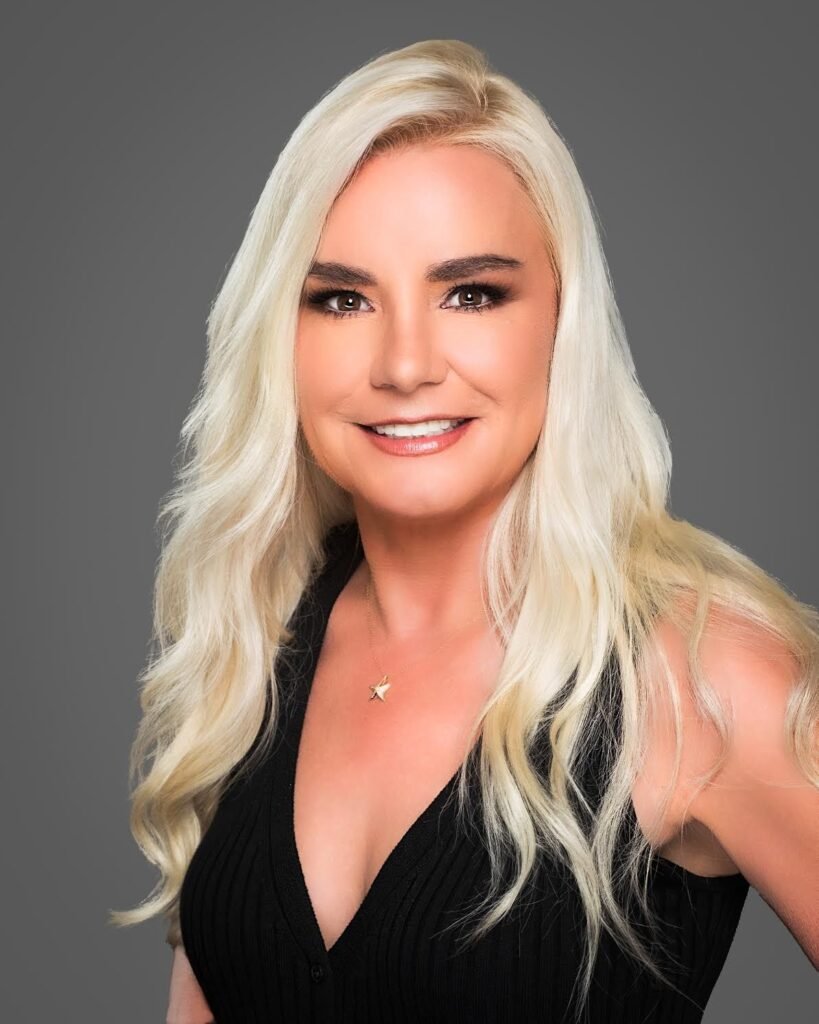
Lisa Craft, Tech Founder of Adventure Dating, is building a dating platform around shared experiences and a more intentional approach to connection. This conversation explores how that idea shaped the company’s positioning, early customer outreach, team decisions and advice for building in a crowded market.
A clear difference matters more than copying competitors or adding every suggested feature. Start by understanding the problem and watching how real customers respond, then adapt execution without losing the core idea.
How did the business start, and what makes it different from others in your space?
Adventure Dating started from a frustration I kept seeing in modern dating: people were spending more and more time messaging, filtering, and building expectations before ever meeting in real life. Technology made introductions easier, but it didn’t necessarily make connection easier.
That led me to build Adventure Dating around Experience-First Dating™, where shared experiences become an important part of how people get to know each other. Rather than focusing only on matching features or prolonged digital interaction, the platform is designed around the belief that people reveal more of themselves when they are actually doing something together.
What makes Adventure Dating different is that we are not trying to compete by adding another variation of the same dating model. We are building around a different philosophy entirely: technology can make the introduction, but the experience is where compatibility starts to become real.
How did you win your first customers, and where does most new business come from today?
In the beginning, much of the growth came from direct conversations, early interest in the concept, word of mouth, and people who immediately understood the appeal of a more experience-driven approach to dating.
Today, visibility plays a much bigger role. Grassroots marketing, media coverage, editorial content, social media, awards, founder interviews, and partnerships all help introduce Adventure Dating to new audiences. Because the brand sits at the intersection of dating, lifestyle, technology, and experiences, we have been able to reach people through several different channels rather than relying on one traditional acquisition strategy.
I think that is especially important for an early-stage consumer brand. People often need to understand the idea before they are ready to engage with the product, so brand education and visibility are part of the customer journey.
What is one decision that changed the direction of the business, and one mistake that taught you the most?
One of the most important decisions was choosing to build a distinct category around Experience-First Dating™ rather than positioning Adventure Dating as simply another dating app with additional features. That decision changed how we thought about the brand, product, content, and long-term opportunity.
The biggest lesson has been around team building and execution. In an early-stage company, the wrong fit can create delays and unnecessary complexity very quickly. I learned that technical ability alone is not enough. Communication, accountability, judgment, and ownership are just as important.
That experience made me much more thoughtful about who I bring into the business and how clearly I define expectations from the beginning.
What has changed in your industry or in what customers expect, and how have you adapted?
People are much more aware of dating fatigue now. People are growing frustrated with endless swiping, repetitive conversations, and the feeling that dating has become overly transactional.
At the same time, consumers are becoming more intentional about how they spend their time. They want better experiences, more personalization, and brands that feel aligned with their lifestyle rather than purely functional.
We have adapted by leaning further into the experience-first model and by treating Adventure Dating as more than a technology platform. The brand now extends into editorial content, lifestyle, media, and the broader conversation around modern relationships. That lets us meet people not only when they’re using a dating platform, but also in how they think about connection, experiences, and how they want dating to feel.
If someone were starting a business like yours today, what should they do first, and what should they ignore?
I would start by getting very clear on the problem you are solving and why your approach is meaningfully different. In a crowded market, being slightly better is usually not enough. People need to understand quickly why your company should exist. I would also spend time talking to real customers and paying attention to behavior rather than relying only on assumptions. The strongest ideas usually become clearer once you see how people actually respond. What I would ignore is the pressure to copy every competitor, chase every trend, or build every feature someone suggests. It is easy for an early-stage company to lose its identity by reacting to everything around it. Focus on the core idea, build around what makes you different, and be willing to adapt the execution without abandoning the reason you started.
Thank you to Lisa Craft and the team at Adventure Dating for sharing what actually worked with Leaders Perception readers.
Want to tell the story behind your business?
Leaders Perception publishes interviews with business owners and leaders every week. Five questions, about ten minutes, no calls. It is free and every completed interview gets published.