
Starting a subscriber base from scratch often feels daunting for a new owner. This comprehensive guide provides a roadmap to success helping you grow. You will find that a healthy email list serves as a vital asset for any company.
Unlike social media, you own these digital connections forever. Learning how to build an email list for your business requires some strategic planning. This email marketing method creates long-term value for every business.
Organically growing an email list yields significant results over time. It helps you build email list momentum while staying relevant to your niche. Use marketing tactics for nurturing leads and converting them into buyers.
Reach fans directly for boosting your sales and brand authority. Consistency is key for a thriving community. Focus on quality rather than just quantity to ensure your messages stay effective.
Key Takeaways
- Own your audience instead of relying on unpredictable social media platforms.
- Provide consistent value to attract subscribers who genuinely care about your brand.
- Use lead magnets as a powerful incentive to encourage people to join.
- Maintain high deliverability rates by avoiding common spam mistakes early on.
- Nurture your leads carefully to turn them into loyal, long-term customers.
- Track your performance metrics to improve your growth strategies over time.
What is an Email List and Why It Matters for Your Business?
A digital connection with your audience serves as the heartbeat of modern commerce and sustainable growth. It allows you to speak directly to individuals who care about your brand. This direct approach bypasses noisy social media algorithms and crowded news feeds.
Defining an Email List
An email list is a collection of individuals who have consented to receive your email messages. At its core, it consists of email addresses that represent potential or current buyers. However, a high-quality list offers much more depth than a simple directory.
You can enhance this database with detailed information like names, locations, and personal preferences. This data helps you understand the people behind the screens. Every subscriber on your roster represents a relationship built on trust and explicit permission.
The Value of Owned Marketing Channels
Your list is one of the most vital assets your marketing team can possess. Unlike social media followers, you truly own this direct contact channel. No third-party platform can take these subscribers away from you by changing an algorithm overnight.
When a business owns its audience data, it gains long-term stability and freedom. The value of the list grows because you are not forced to “pay-to-play” for every interaction. This marketing independence ensures your message always reaches its intended destination without interference.
Email vs. Social Media: Why Email Wins
With 4.4 billion users worldwide, email remains the top choice for reaching a customer. It boasts an average 2% click-through rate, which is far higher than social media’s typical reach. Most customers actually prefer this email channel for professional brand communication.
Currently, 81% of small firms rely on email as their primary tool for acquiring new leads. It creates a personalized experience that fosters loyalty and drives repeat sales. Direct communication through this medium simply generates better results than generic social posts.
| Metric | Email Marketing | Social Media |
|---|---|---|
| Average Click-Through Rate | 2.00% | 0.88% – 1.55% |
| Ownership Level | Fully Owned Asset | Rented/Platform Owned |
| Primary Business Goal | Customer Acquisition | Brand Awareness |
| Global User Base | 4.4 Billion Users | Platform Dependent |
Common Email List Building Mistakes You Must Avoid
Starting from zero is challenging, yet taking the wrong path to acquire subscribers often leads to a total business shutdown. Many business owners think they can bypass the slow growth process by purchasing lists of potential leads. However, these shortcuts usually lead to disastrous results for your brand and its digital presence.
Why Buying or Renting Email Lists Destroys Your Business
Never waste your money on purchasing an email list from an outside vendor. These lists often contain “spam traps” specifically designed to catch untrustworthy senders. When you send emails to people who never signed up, your engagement rates will plummet instantly.
Purchased email addresses usually belong to individuals who opted into something entirely different. Since they did not give you consent, they will likely mark your email as spam. This behavior tells providers that your content is unwanted, which ruins your future marketing efforts.
Understanding Email Marketing Compliance (CAN-SPAM and GDPR)
Laws like CAN-SPAM and GDPR set rules for getting consent from customers. You must offer clear opt-out options and protect user data at all times. Failure to follow these rules can lead to massive fines and legal headaches.
| Risk Factor | Purchased Data | Organic Growth |
|---|---|---|
| User Consent | Non-existent | Explicitly given |
| Legal Status | High risk of fines | Fully compliant |
| Engagement | Extremely low | Consistently high |
Protecting user data is a core part of email marketing today. If you ignore compliance, your deliverability will suffer, and your brand will look unprofessional. Most legitimate email providers will ban your account for these violations.
Protecting Your Sender Reputation
Your sender reputation is like a credit score for your email account. If you send to a list with bad addresses, Internet Service Providers (ISPs) will start blocking you. Once you are on a denylist, it is very hard to get back into the inbox.
A single mistake can destroy years of hard work in just a few seconds. High spam reports tell filters that your list is low quality. A clean list is essential for success. Keep your email list organic to ensure your emails reach the right audience.
How to Build an Email List for Your Business: Essential Foundation
Building a high-quality audience starts with a strategic roadmap and the right technical setup. To build email list assets that actually convert, you need more than just a signup box on your website. You need a framework that supports growth, legal compliance, and long-term engagement.
Setting up this foundation ensures your marketing strategy remains effective as you scale. By focusing on the “how” and “why” before you launch, you create a better experience for every future lead. This preparation prevents common technical errors and deliverability issues later.
Step 1: Select the Right Email Service Provider
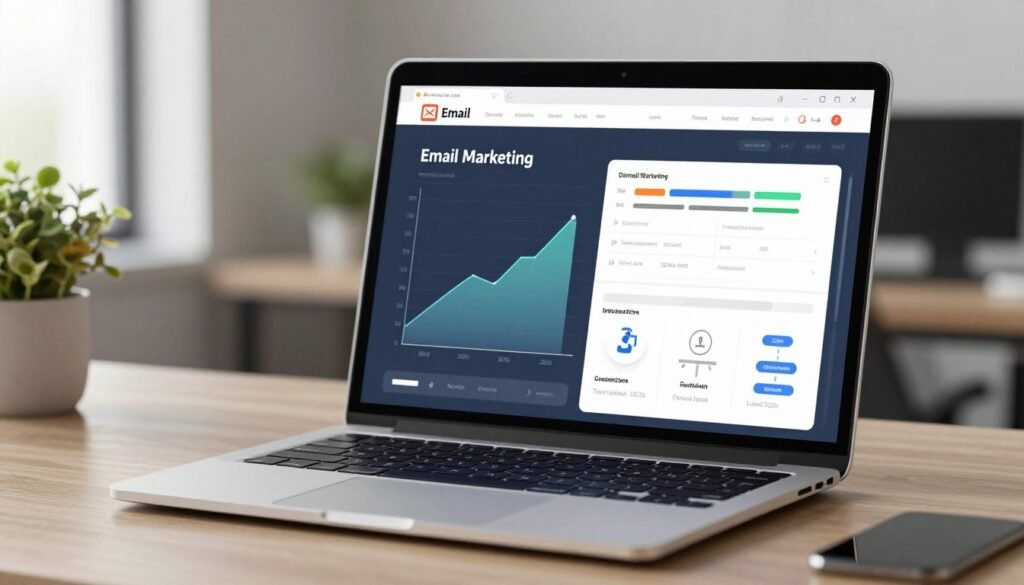
Finding the best email marketing software for small business is your first critical move. This software provides the automation, segmentation, and list management tools needed to power your entire program. Without a professional provider, your messages may end up in the spam folder.
Key Features to Look For
Look for an ESP that offers robust deliverability infrastructure and intuitive design tools. It should integrate easily with your current business tools and website. Scalability is also vital so the platform can grow alongside your brand.
Popular ESP Options
Mailchimp is a popular choice for its user-friendly interface and automation features. HubSpot offers powerful CRM integrations for businesses that need deep lead tracking. Constant Contact remains a strong contender for those who prioritize simplicity and reliable support.
Step 2: Define Your Email List Purpose
Before you collect a single address, decide exactly what your email list will achieve. Will you send a weekly newsletter, share exclusive discounts, or focus on customer onboarding? Clearly defining your goal helps you attract the right people from the start.
Your sign-up offers and content must align directly with this purpose. When expectations are clear, your subscribers are more likely to stay engaged. A defined strategy also makes it easier to measure success over time.
Step 3: Set Up an Email Preference Center
A preference center is a centralized portal where a subscriber can control their settings. It allows them to choose the frequency and type of messages they receive from your brand. This tool is essential for maintaining a healthy communication cadence.
Giving users control helps reduce unsubscribe rates and spam complaints. If someone feels overwhelmed, they can simply adjust their preferences instead of leaving entirely. Respecting the inbox is the fastest way to build lasting trust with your audience.
Step 4: Choose Your Opt-In Strategy
How you add people to your list impacts both your growth speed and your data quality. Choosing the right method is a balance between ease of use and long-term health. Always follow best practices to ensure you stay compliant with privacy laws.
Double Opt-In Method
The double opt-in is the gold standard for any marketing plan. It requires the owner to click a confirmation link sent to their inbox after they sign up. This method ensures every subscriber on your email list is a real person who genuinely wants your mail.
Single Opt-In with Confirmation
A single opt-in form is faster because it only requires one step. However, it is risky because nothing prevents typos or fake addresses from entering your database. Sending a confirmation email immediately after helps verify the recipient is legitimate.
Preselected Opt-In Considerations
This method involves a pre-checked subscription box during a purchase or registration. You must use this strategy carefully, as some regulations require active, clear consent. Make sure your users know exactly what they are signing up for to avoid future complaints.
Proven Website Tactics to Capture Email Subscribers
Your website serves as the primary engine for converting casual browsers into dedicated followers. Turning your visitors into loyal fans requires a strategic approach to how you collect data on every page. By using smart forms, you can capture visitor interest before they leave your site, making it the most efficient way to grow your email list.
Implementing High-Converting Pop-Up Forms
Pop-up forms provide visitors with a quick and convenient method to share their contact information. Research shows that users who add a pop-up to their site see their list growth rate increase by an average of 50.8%. These tools grab attention exactly when a visitor is most engaged with your brand.
Design Best Practices
Start with an attractive headline that clearly describes one important benefit for the user. Keep the description brief to help your conversion rate remain high. Only include fields for necessary information, such as a name and email address, to reduce friction. Use a strong call to action on the button instead of generic text to invite more clicks.
Timing and Triggers
The timing of your invitation is just as important as the design. Set your form to appear after a 5-second delay if your visitors usually leave the site quickly. For those who stay longer, consider a 20-second delay or a scroll-based trigger to ensure they have seen your value first.
Real-World Success: The 50.8% Growth Rate
The Ravinia Festival used homepage pop-ups to offer visitors a chance to win a curated Lawn Party. This campaign captured 8,912 total new leads and achieved a conversion rate 1.5 times higher than industry benchmarks.
Strategic Placement of Sign-Up Forms
Don’t rely on a single location to capture new subscribers. Strategic placement throughout your website ensures you meet users where they are most active. You should place your list building tools where your audience is already consuming your content.
Blog Post CTAs
Embed a call to action within the body or at the end of your articles. This works exceptionally well for visitors who enjoy your expertise but are not yet ready to make a purchase. It keeps your brand top-of-mind by offering email updates related to their interests.
Checkout Page Integration
Include an opt-in checkbox on your checkout page to capture customers during a transaction. This allows you to collect an email address while the user is already providing their details. It is a seamless way to turn a one-time buyer into a repeat customer.
Thank You Page Opportunities
Every time a visitor completes a task, they should see a thank you message. Use this space to encourage them to join your marketing list while they are in a positive mindset. This simple addition can significantly boost your total subscribers without extra effort.
Creating Dedicated Landing Pages
Specific landing pages work best for capturing leads from paid ads or social media. These pages remove distractions and focus entirely on a single goal. A well-designed landing area uses compelling images and clear text to outline the benefits of your service.
Ensure your landing pages employ a clear form that is easy to fill out on any device. Landing your traffic on a focused page instead of a busy homepage can double your conversion results. Use these specialized pages to offer exclusive downloads or early access to new products.
| Placement Type | Primary Benefit | Best Trigger |
|---|---|---|
| Pop-up Form | High Visibility | 5-Second Delay |
| Blog CTA | Authority Building | Scroll Depth |
| Checkout Opt-in | Customer Retention | At Purchase |
Creating Irresistible Lead Magnets and Incentives
Irresistible incentives are the secret sauce to help you build email subscribers quickly and effectively. Most people will not share their personal information without getting something valuable in return. You must provide a clear reason for them to join your email list right now.
Value propositions such as free shipping, timely updates, or exclusive access act as a bridge. This incentive, known as a lead magnet, transforms a casual visitor into a loyal subscriber. By offering genuine value, you make the exchange feel fair and worthwhile for your audience.
Types of Lead Magnets That Convert
Different audiences respond to different offers depending on their needs. Your goal is to match the incentive to what your customers actually want from your brand. High-quality content or gated assets are excellent ways to encourage users to volunteer their details.
Exclusive Discounts and Coupons
Money talks, especially for those looking to make a purchase. Offering a percentage off or a first-order discount is a classic way to build email lists for e-commerce. These incentives provide immediate monetary value and often turn window shoppers into buyers.
Free Content and Downloads
Educational resources like e-books, templates, and checklists appeal to those seeking solutions. When you share helpful content, you establish authority and trust with your audience. This ensures they are excited to open your future newsletters and updates.

Contests and Giveaways
Running a contest on platforms like Instagram generates massive excitement and urgency. People love the chance to win free items or gain early access to new sales. This strategy encourages viral sharing and rapidly expands the reach of your list.
Crafting Compelling Calls-to-Action
A strong call to action is the final nudge a visitor needs to sign up. If your CTA is weak or generic, you will lose the chance to grow your email database. Use active, urgent language that clearly communicates the specific benefit they will receive.
Your button should encourage them to submit a valid email address they use every day. Avoid boring phrases like “submit” and try “Get My Discount” or “Join the Club” instead. This small change makes the process feel like an invitation rather than a transaction.
Gamification Strategies
Gamification makes the sign-up process interactive and fun for your customers. Consider using “spin-to-win” wheels or digital scratch-off cards to determine a discount. This interactive action keeps users engaged and significantly increases the conversion rate for your list.
| Lead Magnet Type | Best Benefit | Ideal For |
|---|---|---|
| Discount Codes | Instant Savings | Online Stores |
| Checklists | Quick Wins | Service Providers |
| Webinars | Deep Learning | B2B Businesses |
Leveraging Social Media Platforms to Build Your Email List
While social media is great for reach, its real power lies in its ability to help you build an email list of engaged prospects. To succeed, you must meet your target audience where they already spend their time. Selecting the right platforms allows you to expand your reach and grow your brand effectively.
“Social media is the flame, but email marketing is the engine that drives the business forward.”
Instagram Email List Building Strategies
Instagram has more than one billion active users each month with a very high engagement rate. These users tend to interact frequently with business profiles. This makes the media giant a perfect place to find new customers.
Bio Link Optimization
You can easily mention your newsletter in your profile description. Adding a direct link to your landing page in your bio is essential. This simple way helps you capture traffic from your most curious followers immediately.
Instagram Stories and Contests
Make effective use of Instagram Stories to create a sense of urgency. Consider offering a contest or giveaway to entice your audience. Ask followers to provide their emails to enter the drawing, which boosts your conversion rates.
TikTok Lead Generation Tactics
TikTok growth is especially strong among the Gen Z and Millennial demographics. As this platform continues to grow, its well-developed algorithm deserves your strong consideration. It provides a massive opportunity to build email list momentum quickly.
Using TikTok’s Lead Generation Features
Use native Lead Generation tools to collect information without the user leaving the app. You can offer lead magnets like exclusive guides or discount codes. This keeps the experience seamless for people who are browsing content.
Going Live to Capture Emails
Going live on TikTok allows you to build deep personal connections. During your stream, encourage viewers to join your email community for more value. You can share QR codes or direct them to your profile to sign up.
YouTube Subscriber Conversion Methods
YouTube is a vital media resource for sharing educational or entertaining videos. Encourage your viewers to subscribe to your email list in every video description. You can suggest curated playlists or bonus content to those who provide their contact details.
Facebook Ads for 29% Better ROI
Facebook ads help you reach new horizons by targeting customers similar to your current contacts. By focusing on your existing list, you can find prospects who are most likely to buy. This data-driven approach ensures your email marketing budget is well-spent.
Lookalike Audience Targeting
Facebook analyzes your list to identify shared interests and behaviors among your subscribers. Targeting a lookalike audience can lead to a 29% better ROI than interest targeting alone. This helps your social media strategy stay efficient and profitable.
Creating Effective Ad Campaigns
Effective ads should link directly to dedicated landing pages rather than a generic home page. This focused social media approach ensures that visitors know exactly how to join your email community. Always include a clear call-to-action to maximize your sign-up results.
Budget and Cost Considerations
You can choose to spend any amount you would like on this media channel. You can start with as little as $5 and only pay for each person that clicks. This flexibility allows any business to grow their list without a huge upfront investment.
- Start with a small daily budget to test your ad creative.
- A/B test your social media headlines to see what converts.
- Monitor your cost per lead to ensure long-term sustainability.
Advanced List Building Strategies Beyond Your Website
Moving past your own site allows you to capture interest where your potential customers already spend their time. You can find high-quality leads by using paid channels and mobile technology to expand your reach. These advanced methods help you connect with a wider audience through email and scale your efforts faster.
Pay-Per-Click (PPC) Advertising for Email Capture
Using paid search is a fast way to grow email numbers by sending traffic to a dedicated landing page. While this method can become expensive, you can keep costs down by targeting specific, long-tail keywords. Each page should use strong text and clear images to entice visitors to fill out your form.
Google now offers Responsive Search Ads (RSAs), which provide huge flexibility for your campaigns. You can write up to 15 headlines and 4 descriptions, creating over 43,000 possible versions. The system automatically tests these to find which combination works best for your list.
Audience Targeting Strategies
Marketers now have better tools to reach an audience based on more than just keywords. You can focus on demographics or remarketing lists to find the right time to show your offer. This targeted approach ensures you spend your budget on people who actually want your content.
Optimizing Landing Pages for PPC Traffic
Every ad needs a relevant place to land to convert visitors into subscribers effectively. Ensure your landing pages feature a clear call-to-action that highlights your specific benefits. Tailored pages help you gather emails more efficiently by matching the ad’s unique promise.
SMS Marketing to Email List Conversion
Your current SMS program is a great tool to help you build email sign-ups quickly. Texting is often more convenient for people who are on the go or away from their computers. It bridges the gap between mobile browsing and long-term retention.
| Strategy | Best Use Case | Primary Benefit |
|---|---|---|
| PPC Campaigns | Rapid scaling | Help you grow email counts fast |
| SMS Conversion | Mobile users | Capture email on the go |
| Offline Events | In-person retail | Collect high-quality emails |
Text-to-Join Campaigns
Users can simply text a keyword like “subscribe” to a short code to join your list. Once they join, send a follow-up message asking for their email addresses. This method works perfectly for traditional media like billboards or TV ads.
Nurturing SMS Subscribers
Don’t ask for private information too quickly after someone joins your text group. Send a welcome message or an exclusive offer to build trust first. Nurtured subscribers are much more likely to join your email list when you finally make the request.
Focus on highly targeted, long-tail keywords to ensure your paid traffic is actually interested in your niche.
Offline Email Collection Methods
If you have a physical store, use signs or pass-along cards at the register to invite sign-ups. You can also bring a tablet to events to collect data in person while people are engaged. Always make sure people submit their details manually to show they give clear consent to join your email list.
- Use iPads at trade shows for quick entry.
- Add QR codes to in-store signage.
- Offer a small discount for immediate sign-ups.
Managing and Optimizing Your Email List for Maximum Results
Growing your subscriber count is exciting, but maintaining a healthy database is what drives long-term profit. Managing an email list requires more than just collecting random addresses. You must monitor your performance reports to see how many people join and how they behave over time.
Email List Hygiene: Keeping Your List Healthy
Good hygiene involves regularly cleaning your database to protect your sender reputation. People frequently change their email addresses, so you need to keep your lists updated. Keeping the database fresh ensures your messages land in the primary inbox.
Removing Inactive Subscribers
Removing people who never open your emails might feel like you are losing progress. However, unengaged subscribers hurt your deliverability and overall campaign performance. Make sure to prune these contacts to keep your metrics accurate and your costs low.
Avoiding Spam Traps
Spam traps are old or fake addresses used by providers to catch low-quality senders. Sending to these can ruin your email marketing efforts instantly. Regular cleaning helps you avoid these traps and ensures you only reach real, interested people.
Segmentation for Better Engagement
Categorizing your audience allows you to send content that fits specific needs and interests. You can create groups for active buyers or those who recently joined your list. This smart marketing strategy ensures your messages remain relevant and helpful to every reader.
Using CRM Tools for List Management
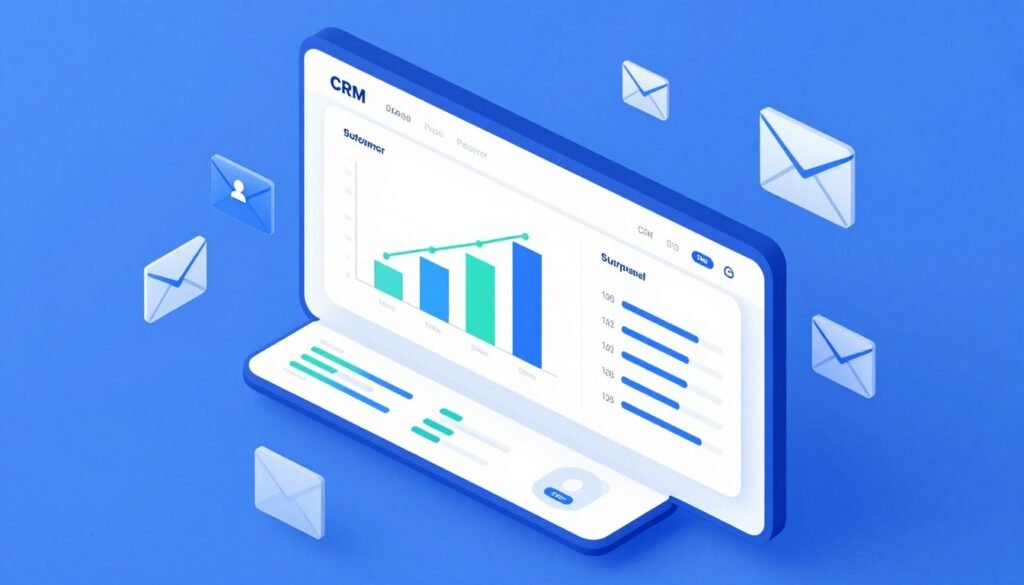
A CRM is an invaluable tool for organizing your customer data in one central hub. It tracks when people buy items, open messages, or ask specific questions. Your email marketing becomes much more effective when your software updates contact details automatically and maintains list compliance.
Creating Automated Welcome Email Sequences
Set up a sequence that triggers the moment someone joins your list. Use these initial emails to deliver promised lead magnets or introduce your unique brand story. This automated greeting builds immediate trust with every new person who joins your community.
Understanding and Reducing Unsubscribe Rates
Watching your unsubscribe rate helps you identify if you are sending too many messages. Analyze why people leave to improve your future email strategy and retain more subscribers. Adjusting your messaging based on this data will help you grow a stronger email list over the long run.
Measuring Success: Key Metrics and Performance Tracking
Understanding the data behind your email list helps you refine your strategy for better long-term results. Without consistent tracking, it is difficult to know if your attempts to grow email reach are actually working or if you are wasting resources on the wrong tactics.
Essential Email List Growth Metrics
Monitoring growth requires a balance of looking at your total audience size and the efficiency of your capture tools. By comparing your real numbers against your monthly forecasts, you can see if your business is expanding at a healthy pace.
List Growth Rate
Your growth rate reveals the net number of new subscribers added over a specific time. If you gained 100 new subscribers but expected 200, you should investigate which acquisition channel is underperforming.
Sign-Up Form Conversion Rate
This metric measures how well your form turns website visitors into fans. For example, if your form receives 500 views and results in 50 sign-ups, your conversion rate is a solid 10%.
Email Deliverability and Bounce Rate
High deliverability is vital for maintaining a healthy list of contacts. If you send 1,000 messages and 100 bounce, a 10% bounce rate signals that your lists need cleaning to remove invalid addresses and protect your sender reputation. Maintaining deliverability ensures your messages actually reach the inbox.
Engagement Metrics That Matter
A large email database is only valuable if the list remains active. Tracking how your audience interacts with your messages helps you understand their needs and preferences over time.
| Key Metric | Ideal Formula | Business Value |
|---|---|---|
| Click-Through Rate | Clicks / Recipients | Measures Content Relevance |
| Unsubscribe Rate | Opt-outs / Sent | Signals Strategy Fatigue |
| Bounce Rate | Bounces / Sent | Indicates Data Quality |
Open Rates
Open rates show the percentage of people who choose to view your emails. This number reflects the strength of your subject lines and how much your audience trusts the emails you send.
Click-Through Rates
The click-through rate (CTR) is found by dividing the people who clicked a link by the total number of recipients. If 1,000 people receive an email and 100 click a link, your 10% CTR shows high engagement.
Forward and Share Rate
When subscribers share your content, they act as brand ambassadors. A high share rate proves your content is valuable enough to contribute to organic growth beyond your current reach.
Testing and Continuous Improvement
To truly grow email engagement, you must embrace A/B testing for your subject lines and calls-to-action. Make sure to establish baseline metrics early so you can identify which variations perform best for your email list.
Comparing your results to industry averages provides context, but focus on beating your own past performance. Make sure to review these lists regularly to spot trends and capitalize on what your audience loves most.
Success is not just about the size of the list, but the quality of the connection you build with every person on it.
Conclusion
Building an email list from scratch is the most effective way to secure your marketing independence. This guide has shown that while the process takes time, the rewards for your brand are immense. You now have the roadmap to build email list assets that belong entirely to your business.
Direct communication remains the most powerful tool in your digital arsenal. Unlike social media, an email list gives you direct access to your customers without algorithmic interference. To see results, make sure to implement the best practices we discussed.
Using a smart marketing strategy ensures your brand stays top-of-mind for your audience. Attracting new subscribers is just the beginning of your professional journey. Providing high-quality content through a regular newsletter builds deep trust over the long term.
Whether you send weekly newsletters or monthly updates, consistency is the key to email marketing success. Focus on the specific needs of your subscribers to keep your engagement rates high. Healthy practices, like regular list cleaning, protect your sender reputation.
Every email you send should offer clear value to those who joined your list. Refine your strategy by tracking growth and conversion metrics regularly. This data helps you understand what your subscribers truly want from your business.
By following this how to build an email list for your business blueprint, you create a sustainable foundation for long-term growth. Every email is an opportunity to strengthen a bond.
Start today and watch your new subscribers turn into loyal advocates for your company through this email process. Keep your list clean to ensure success.