
The AI Reality Check
Sivan Kadosh built a fractional CPO practice for $2M-$15M ARR firms
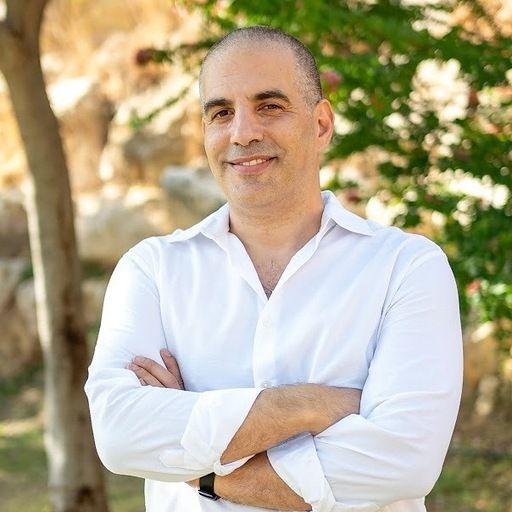
Sivan Kadosh is the founder of SaasFractionalCPO and works as a fractional CPO for founders who have outgrown founder-led product but do not need a full-time hire. He says the difference is simple: he embeds with the team, owns the roadmap with the founder, and keeps a hard cap of three clients. The story here is how that model is now being found by search, referrals and AI assistants before a first call ever happens.
AI has taken over the technical side of his own marketing, but not the writing that depends on judgment and voice. For customer acquisition, the bigger shift is that buyers now arrive already informed by AI answers, so being quoted clearly on pricing and expertise matters more than homepage polish.
What’s the quick origin story of your business, and what makes what you do genuinely different from the other options your customers are looking at?
I spent 18+ years in product and executive roles, most recently as CPO and GM of Touch Stay, a hospitality SaaS. Along the way I kept meeting founders at $2M to $15M ARR who had outgrown founder-led product but were not ready for a full-time CPO, so I built a practice for exactly that gap. What makes it different is that I am an operator, not a consultant: I embed in the team, own the roadmap with the founder, and stay accountable for outcomes, with a hard cap of three clients at a time so each one gets real attention.
Where does most of your new business come from today, and where do you wish it came from?
Today almost all of it is inbound: organic search and, increasingly, AI assistants. I would like more of it to come from client referrals and peer networks, which compounds slower but converts best. That layer is being built now.
What’s one thing you’ve actually handed over to AI in the last year, and one thing you tried it on and went back to doing the human way?
Handed over: the entire technical execution layer of my own marketing. AI agents migrated my site templates, audited my analytics, and run my SEO operations, with automated verification gates checking their work. Went back to human: writing in my own voice. I tried AI drafts for my quotes and opinion pieces, and they were competent and completely forgettable. Judgment earned over 18 years does not delegate well.
Have you noticed a change in how customers find you or what they already know before they reach out? Is anyone arriving through AI assistants like ChatGPT yet?
Yes, and I can prove it: one of my current opportunities came from a founder who asked ChatGPT who to hire and it recommended me. I now measure this monthly with an automated panel across ChatGPT, Gemini and Perplexity, and my brand appears in roughly 44 percent of relevant answers. Buyers also arrive pre-sold: they already know my pricing and background before the first call, because the assistant read it to them. The homepage visit is no longer the first impression; the AI’s answer is.
If you were advising someone in your industry on all of this for the next 12 months, what would you tell them to actually do, and what would you tell them to ignore?
Do three things. Publish your pricing, because AI assistants quote whoever is specific. Make every important page answer one buyer question directly in the first paragraph, because that is what gets extracted into answers. And get mentioned on sites that are not your own, because assistants treat self-description as a claim and third-party mentions as evidence. Ignore: mass-produced AI content, every shiny new tool, and traffic dashboards. Clicks are dying; being the answer is the game.
Thank you to Sivan Kadosh and the team at SaasFractionalCPO for sharing what actually worked with Leaders Perception readers.
Want to share your playbook?
Leaders Perception publishes founder and operator interviews every week. A few questions, about five minutes, no calls. It is free and everyone we accept gets published.