
How Pick-A-Path Letters learned to clarify its gift offer
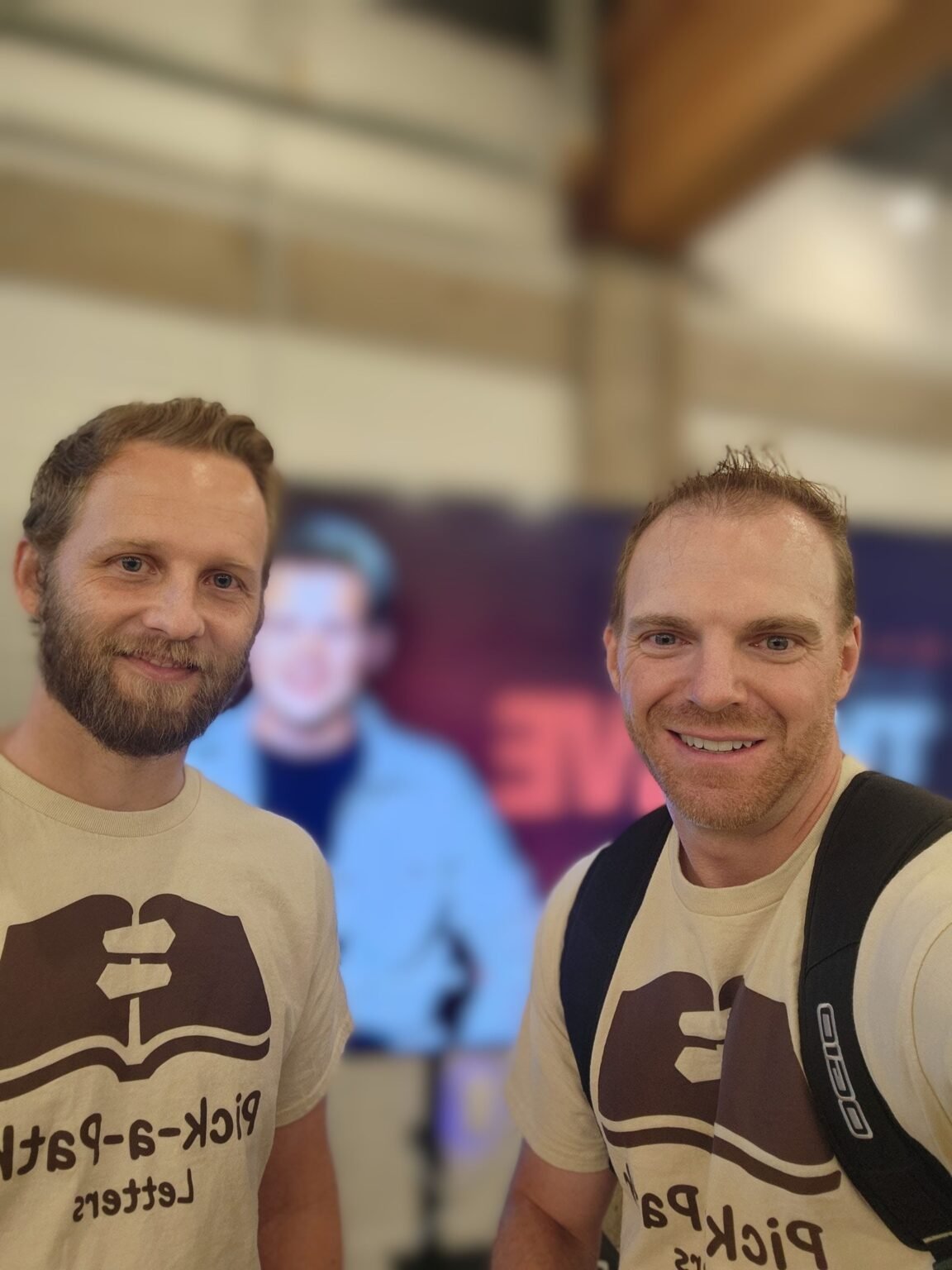
Cameron Christensen is a Co-Founder of Pick-A-Path Letters, a mailed story for children ages 5 to 12 that lets readers choose what happens next and collect each chapter in a keepsake book. The conversation traces how customer feedback reshaped the offer, from presenting it as a gift to adding a book and the story’s other endings.
Customer feedback can show what people are actually willing to pay for, and help make an offer clearer. Advertising can bring more people to an offer, but it cannot fix one that is not working.
What’s the short story of how your business started, and what makes it genuinely different from the other options your customers have?
Ask a kid when they last got real mail with their name on it, and most can’t remember. Ours could. They had pen pal cousins across the country, and when those letters stopped, one of our daughters was heartbroken. Within a week the kids had built cardboard mailboxes and were sending notes back and forth between our houses. We’re two dads in tech, friends since middle school, now next door neighbors. Watching that, we wondered if a story could arrive the same way.
Three things set us apart. First, the reader steers. Every letter ends with a decision, and that decision decides which letter comes next, so two kids can end up reading different stories. Second, it takes its time. Instead of one box or one book, the story unfolds over six to twelve months, so there’s always something on the way. Third, it becomes a keepsake. Each letter slides into a custom book, so the child finishes with a book their choices helped write.
How did you win your first customers, and where does most of your new business come from today?
Our first customers were people who already knew us, friends and family who were curious what we were up to. Before that, we’d tested the idea with a small ad asking strangers to join a waitlist, just to see if anyone outside our circle cared. They did. When we ran real ads in December 2025, a stranger bought within minutes, and that was the moment it felt like a business.
Today paid social on Facebook and Instagram brings in most of our new customers. Most of them are buying a gift for a child, and grandparents are our biggest group. Families who already get letters are our second engine. A kid reading a letter out loud on a video call with grandma does a lot of selling for us. We’re also starting to earn press, which helps people trust a small brand they’ve never heard of.
What’s one decision that changed the direction of your business, and one mistake that taught you the most?
The decision that changed our direction was launching before we felt ready. Four months after we started building, we mailed our first letter on January 5, 2026, before the whole story was even illustrated. We were finishing later chapters while families were reading the early ones. It was nerve racking, but it put a real product in real mailboxes. Those first families told us what they loved and what was missing, and that shaped everything that came next. If we’d waited until it felt perfect, we’d still be guessing.
The mistake that taught us the most was thinking we could just throw up some ads and be successful. We came from tech, not marketing, and we figured the hard part was building the product. Run ads, get customers, mail letters. It didn’t work that way. Within a couple of months we paused our ads completely, because we were spending money without much to show for it.
The lesson was that ads don’t fix an offer. They only show it to more people. If the offer isn’t right, ads just help you lose money faster. So we rebuilt it. We sold it as a gift first, added a keepsake book to hold every letter, and gave families the complete story with every ending once they finish. When we turned ads back on, we finally had something worth showing people.
What has changed in your industry or in what your customers expect over the last couple of years, and how have you adapted?
We haven’t been around for a couple of years. We mailed our first letter in January 2026. But the last few months have taught us a lot.
The biggest lesson is that people want to see exactly what they’re getting. “A story in the mail” sounded too vague to a lot of buyers. So we made the keepsake book the center of our gift bundle, and we’re changing how we name and describe the bundle so it’s clear the child is building a book, not just getting letters.
If you were advising someone starting out in your industry today, what would you tell them to do first, and what would you tell them to ignore?
Do first: figure out what people will actually pay for, which isn’t always what you set out to make. Our story was good from day one, but our offer wasn’t, and we only fixed it by listening to customers. They told us letters were getting lost, so we made a book. They asked what would have happened on the other path, so now families get the complete story with every ending once they finish.
Thank you to Cameron Christensen and the team at Pick-A-Path Letters for sharing what actually worked with Leaders Perception readers.
Want to tell the story behind your business?
Leaders Perception publishes interviews with business owners and leaders every week. Five questions, about ten minutes, no calls. It is free and every completed interview gets published.