
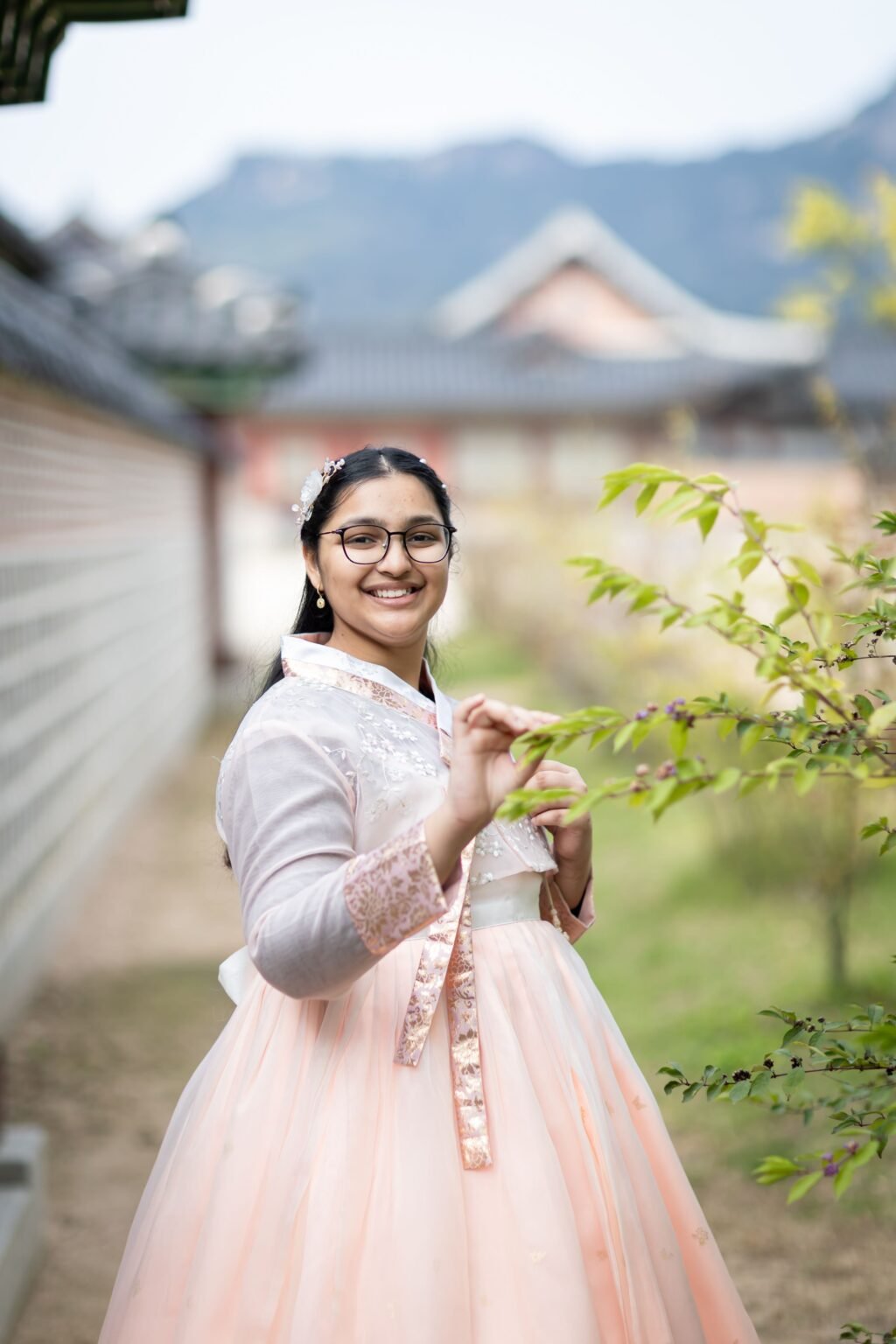
How Ria Singh shaped Riri Bespoke Jewelry around personal style
Ria Singh is the founder and CEO of Riri Bespoke Jewelry, which makes custom, personalized jewelry for working women, with pieces hand-beaded and curated in Singapore. Singh discusses winning early customers through family and friends, the role of pop-ups, and how a difficult experience with interns led to more structured plans.
A business can evolve with the customers it serves, but a distinctive offer needs clear systems behind it. Ria Singh’s experience with interns also shows why expectations and responsibilities should be set out clearly before work begins.
What’s the short story of how your business started, and what makes it genuinely different from the other options your customers have?
When I was 10, Covid hit, and life felt like it was on pause. I missed my friends and found myself stuck in a bubble of online school and boredom. While scrolling social media, I noticed something: every jewelry brand looked the same. Plain pendants. Plain chains. I have always loved fashion. At 7, I watched Legally Blonde on Broadway with my parents for their wedding anniversary. Elle Woods, dressed in pink and unshakably confident, stayed with her. Elle wasn’t just stylish; she used her own expertise to win the case and redefine what was possible. Years later, when I spotted a gap in the jewelry market, I thought: why not be the Elle Woods of business?
I started with jewelry made from rubber bands, a birthday gift from her mother, who created artistic hairstyles. Once Singapore opened up, I showed my pieces to my parents’ friends, who began buying them as party favors for their kids’ birthdays. The summer between 5th and 6th grade, I created an Instagram account for her first business, Insta Tweens. I grew quickly, and later renamed it Riri Bespoke Jewelry to reflect a more grown-up brand while keeping its youthful energy.
Riri began as affordable and chic. As I grew up to now an almost 17 year old, so did the woman I was designing for: someone who invests in pieces that feel like her, and wears them for herself. That shift launched a new era, where every Riri piece is hand-beaded and curated in Singapore. Our main work combines semi-precious stone with metals such as 925 silver/sterling silver and 18 karat gold plating.
How did you win your first customers, and where does most of your new business come from today?
I won my first customers by pitching to my parents’ friends and my friends. They bought from me because they say a little 10 year old selling bracelets and thought it would be good to support. From there, they started repeatedly buying from me for birthday party favors.
Now most of my business comes from in-person pop-ups which I conduct 3-5 times per year where I get to interact with customers directly to understand what they are looking for. We’ve also recently signed a deal with a boutique in Singapore called Gallery Plus where I get to place a curated set of Riri’s best sellers.
What’s one decision that changed the direction of your business, and one mistake that taught you the most?
One decisions that changed the direction of my business is changing the name from Insta Tweens to Riri Bespoke Jewelry to reflect a more mature audience. This was very important because it has allowed me to scale business to where it is now and gives me room to scale further.
One mistake that taught me the most was hiring my friends as interns in the earlier days. I had 20 interns, and things went well during the first few days of their internships. However, one by one, they abandoned their tasks. At first, they began submitting their work late; then, they stopped responding to my emails altogether. That was when I realized they had abandoned the project.
In the days following their departure, I felt confused, as I had believed these internships offered a great opportunity for them to develop their skills. I took some time to reflect on the experience of having them on my team and realized that the problem stemmed from two main areas.
First, there were the systems I had set up. For instance, I would assign tasks via email, and the interns were expected to read through numerous documents—covering company details, campaign ideas, and so on. This was inefficient, as it took them far too long to complete even small tasks because the necessary information was scattered across various places.
Second, there was the issue of consequences—or rather, the lack there of. There were no repercussions if an intern failed to complete their work. I had confused permissiveness with kindness; I would "help" the interns with their pending tasks, effectively doing the work for them while they faced no consequences for their inaction.
Now when I hire interns, I make sure to come up with a structured plan that highlights what they’ll be doing and the impact they will make during the internship.
What has changed in your industry or in what your customers expect over the last couple of years, and how have you adapted?
I think with the rise of AI, people are now looking for my personalized, curated pieces for their personality. I’ve always prided myself on creating pieces that are meant to reflect one’s personality over being solely for the aesthetics. That’s something special about my bespoke service because I can sit down with clients and get to hear about their stories.
If you were advising someone starting out in your industry today, what would you tell them to do first, and what would you tell them to ignore?
I would tell them to look at other brands in the industry and find a gap in the current market. That might sound hard, but you will find it. From there, that becomes the thing you should focus on.
Thank you to Ria Singh and the team at Riri Bespoke Jewelry for sharing what actually worked with Leaders Perception readers.
Want to tell the story behind your business?
Leaders Perception publishes interviews with business owners and leaders every week. Five questions, about ten minutes, no calls. It is free and every completed interview gets published.