
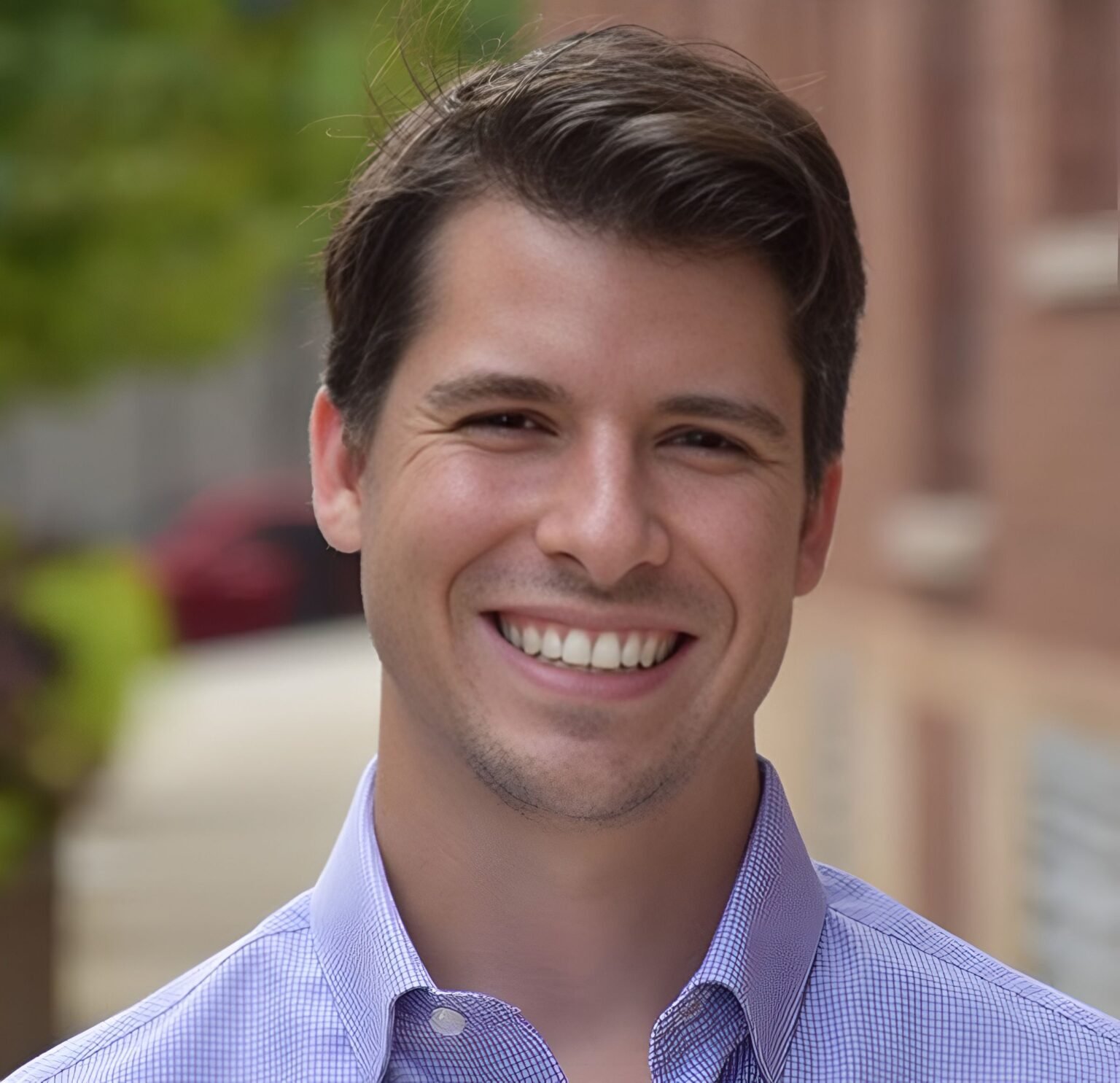
Jimmy Zollo on designing adaptive clothing around real needs
Jimmy Zollo is CEO/cofounder of Joe & Bella, an adaptive clothing company that designs shirts, pants, socks and outerwear for older adults and people with disabilities. This conversation explores how the company uses customer conversations to shape products that make dressing easier without sacrificing personal style.
Start with the people you want to serve and the problem they face, not with a product idea. Joe & Bella’s experience shows how listening closely can lead to more useful designs and clearer business decisions.
What’s the short story of how your business started, and what makes it genuinely different from the other options your customers have?
Joe & Bella really started from my family’s experience. My dad, Peter, spent about a decade helping care for his aging parents, and we saw firsthand how something as basic as getting dressed could become frustrating when mobility, dexterity or health started to change.
When we looked at the clothing available for older adults and people with disabilities, a lot of it solved for function but not necessarily for how someone wanted to look or feel. It often felt clinical. We started Joe & Bella because we thought people deserved both.
What makes us different is that we approach adaptive clothing as fashion first. The magnetic shirts, side-zip pants, CareZips and other products we design are meant to make dressing easier without announcing that someone is wearing “adaptive clothing.” We want someone to put on a Joe & Bella shirt or pair of pants and feel like themselves.
How did you win your first customers, and where does most of your new business come from today?
In the beginning, it was very hands-on. We spent a lot of time talking directly with older adults, family caregivers and professional caregivers, learning what actually made dressing difficult and where existing products fell short. Those conversations helped us improve the products, but they also helped us earn trust with our earliest customers.
Today, people discover us in a lot more ways. Search has become an important channel because people are often looking for a solution to a very specific problem: clothing after surgery, pants that are easier to put on, shirts for someone with arthritis or Parkinson’s, or clothing for a parent who now needs help getting dressed.
We also get a lot of customers through word of mouth, caregivers, healthcare professionals, senior-living communities and partners. What has stayed consistent is that our best customers usually come to us because they are trying to solve a real problem for themselves or someone they care about.
What’s one decision that changed the direction of your business, and one mistake that taught you the most?
One of the biggest decisions was moving beyond simply selling adaptive clothing and investing in designing our own products around very specific dressing challenges.
That changed the business because it forced us to become much more customer-driven. Instead of asking, “What clothing should we sell?” we started asking questions like, “Why is this person struggling to get their pants on?” or “What part of this shirt is making dressing difficult?” That led us to products like our Side-Zip Pants and CareZips, where the construction itself solves a problem.
One mistake was probably trying to do too much too quickly. When you’re building a company, there’s a temptation to chase every customer, every product idea and every opportunity. We’ve learned that being really clear about who we’re helping and what problem we’re solving usually leads to better products and better decisions.
What has changed in your industry or in what your customers expect over the last couple of years, and how have you adapted?
I think expectations around aging and disability are changing significantly.
People don’t want products that make them feel like patients. They expect the same level of design, quality and choice that they would get from any other apparel brand. Someone may have arthritis, use a wheelchair or need help getting dressed, but that doesn’t mean their sense of style disappears.
We’ve responded by putting much more emphasis on making adaptive features discreet. A magnetic closure should still look like a traditional button-down shirt. A pair of adaptive pants should still look like pants someone would be excited to wear.
We’re also seeing more people search for solutions based on a specific situation rather than the phrase “adaptive clothing.” They might be looking for clothing after shoulder surgery, clothing for a parent with dementia or pants for someone with limited mobility. That has pushed us to do a better job of educating customers about what options exist and matching the right product to the problem they’re trying to solve.
If you were advising someone starting out in your industry today, what would you tell them to do first, and what would you tell them to ignore?
I would tell them to start by spending as much time as possible with the people they want to serve. Don’t start with the product. Start with the problem.
Watch someone get dressed. Talk to the person wearing the clothing, but also talk to the spouse, adult child, caregiver, occupational therapist or nurse who may be helping them. You’ll learn things you would never discover sitting in a conference room.
And I would tell them to ignore the temptation to follow every trend or build something simply because it sounds innovative. In our space especially, a product only matters if it genuinely makes someone’s life easier.
The best ideas tend to come from solving very ordinary problems extremely well.
Thank you to Jimmy Zollo and the team at Joe & Bella for sharing what actually worked with Leaders Perception readers.
Want to tell the story behind your business?
Leaders Perception publishes interviews with business owners and leaders every week. Five questions, about ten minutes, no calls. It is free and every completed interview gets published.