
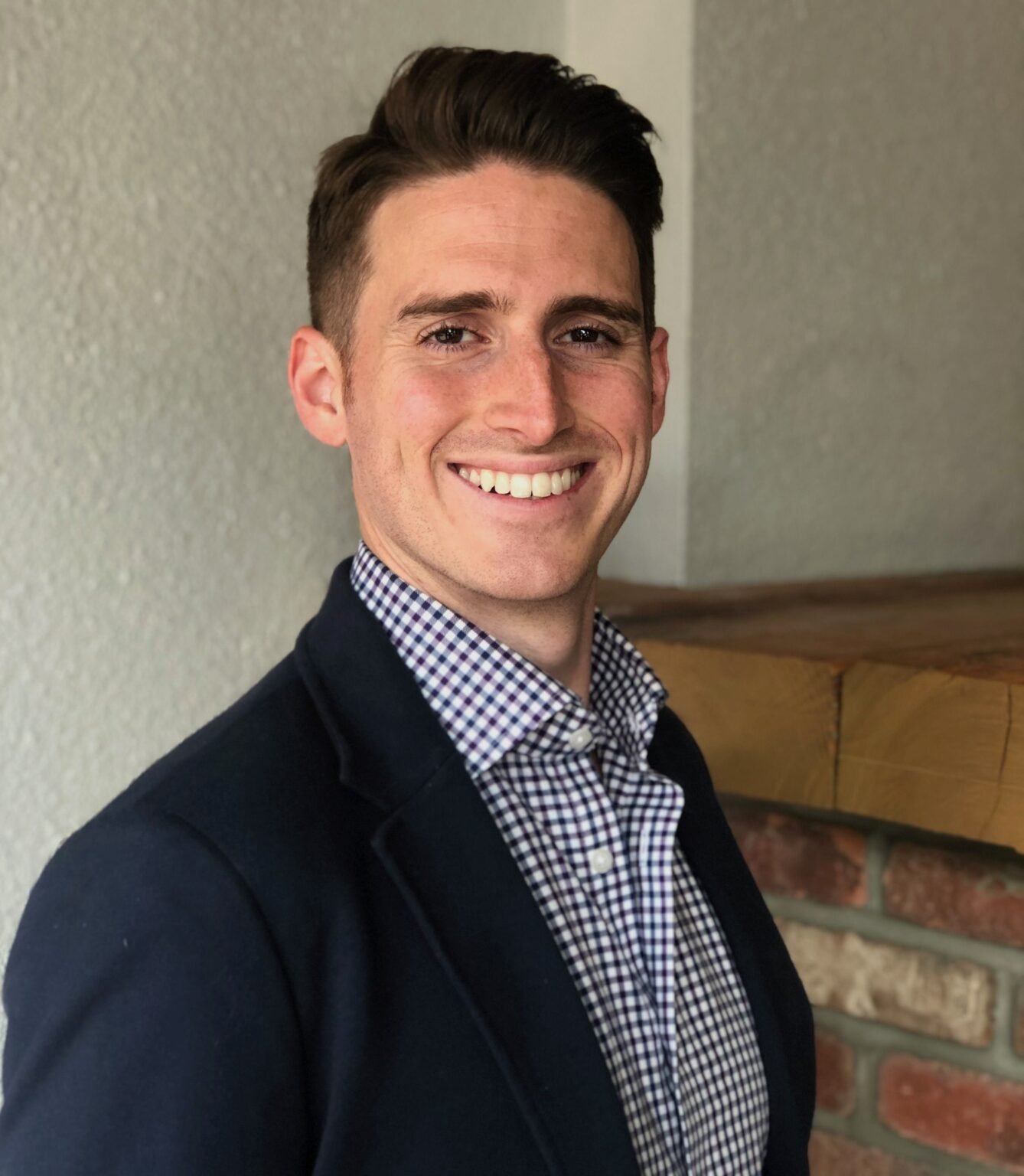
Charlie Camisasca on building Boardroom around profit, not revenue
Charlie Camisasca is the founder of Boardroom, which provides profit analytics and AI SEO tools for Shopify and Amazon brands, as well as custom software and AI workflows for small businesses. The conversation looks at how Boardroom found its first customers, why it expanded into custom work and why growing revenue is not enough if the profit numbers do not add up.
Know your real profit by product before scaling, and focus on the channels where the numbers already work. Growth is useful only when it brings in the right customers.
What’s the short story of how your business started, and what makes it genuinely different from the other options your customers have?
I spent more than ten years implementing workflow software at large companies like Nissan, JPMorgan Chase and P&G. When I started talking to ecommerce founders, I kept hearing the same thing: they knew their revenue to the dollar, but couldn’t tell you what they actually kept after ads, fees and shipping. So in 2020 I started Boardroom as a profit dashboard for Shopify and Amazon sellers. Today 1,300+ brands use it, and it’s rated 4.9 stars. What makes us different is how we’re built and how we work. We’re not PE-backed, so we answer to our customers, not a fund. And we pair the software with real people: every subscription comes with an onboarding consultant. Brands can build a dashboard themselves. What they usually lack is someone who helps them trust the numbers and act on them.
How did you win your first customers, and where does most of your new business come from today?
We started by finding one micro-influencer, known as "The Shopify Queen," who had a small but devoted audience. She loved our app and recommended it to her followers, and that’s how we got our first 30 customers. Today, a lot of new business comes from search and the App Store. This year we handed much of our own SEO to AI, the same kind of AI SEO tools we build into Boardroom, and it helped both our site traffic and how many of our pages Google indexes. The other big shift is that our existing brands keep asking us to build things for them. From February to July 2026 we had one custom software meeting. From August to October we had 47. Those requests come from trust we’ve already earned, which is the best kind of new business.
What’s one decision that changed the direction of your business, and one mistake that taught you the most?
The decision that changed our direction was saying yes to custom software and AI work. Brands using Boardroom kept asking for help with problems a dashboard couldn’t solve. Before ecommerce, my consulting work was about building exactly those kinds of workflows, like SOX compliance workflows at Avery Dennison and a contract review workflow for EVHC/American Medical Response. Once we started offering that again, demand grew from one meeting in the first half of 2026 to 47 between August and October. The mistake that taught us the most was scaling up our influencer marketing before our targeting was dialed in. Viral TikTok videos brought in lots of brand-new startups, and they weren’t reliable customers. Many stayed a month and canceled. The lesson: growth only counts if it’s the right customers, so get your targeting right before you pour fuel on it.
What has changed in your industry or in what your customers expect over the last couple of years, and how have you adapted?
Two things. First, brands now sell on several channels at once, like Shopify, Amazon and TikTok Shop, and ad costs make every margin point matter. "Revenue is up" isn’t enough anymore. Founders want to see profit by product and by channel, every day. That’s why we lead with profit, not vanity metrics. Second, AI has changed what people expect software to do. They don’t want another report to read. They want it to tell them what to do next and, ideally, do some of the work. We’ve built AI into Boardroom for that: AI insights that surface top priorities, and AI SEO and content tools for growing organic traffic. We use the same tools on our own business, which keeps us honest about what actually works.
If you were advising someone starting out in your industry today, what would you tell them to do first, and what would you tell them to ignore?
Do this first: know your real profit. Get every cost into one place, including ads, platform fees, shipping and cost of goods, and look at profit by product before you scale anything. Many brands grow straight into a loss because their top-line numbers looked great. Ignore most of the noise about the next hot channel or tactic. Pick the one or two channels where your numbers already work and get really good at them. And don’t hand every decision to software, ours included. Tools and AI are great at the heavy lifting, but you still need to understand your business well enough to tell when a number looks wrong. The founders I see do best are curious and patient with their data, not just busy.
Thank you to Charlie Camisasca and the team at Boardroom for sharing what actually worked with Leaders Perception readers.
Want to tell the story behind your business?
Leaders Perception publishes interviews with business owners and leaders every week. Five questions, about ten minutes, no calls. It is free and every completed interview gets published.