
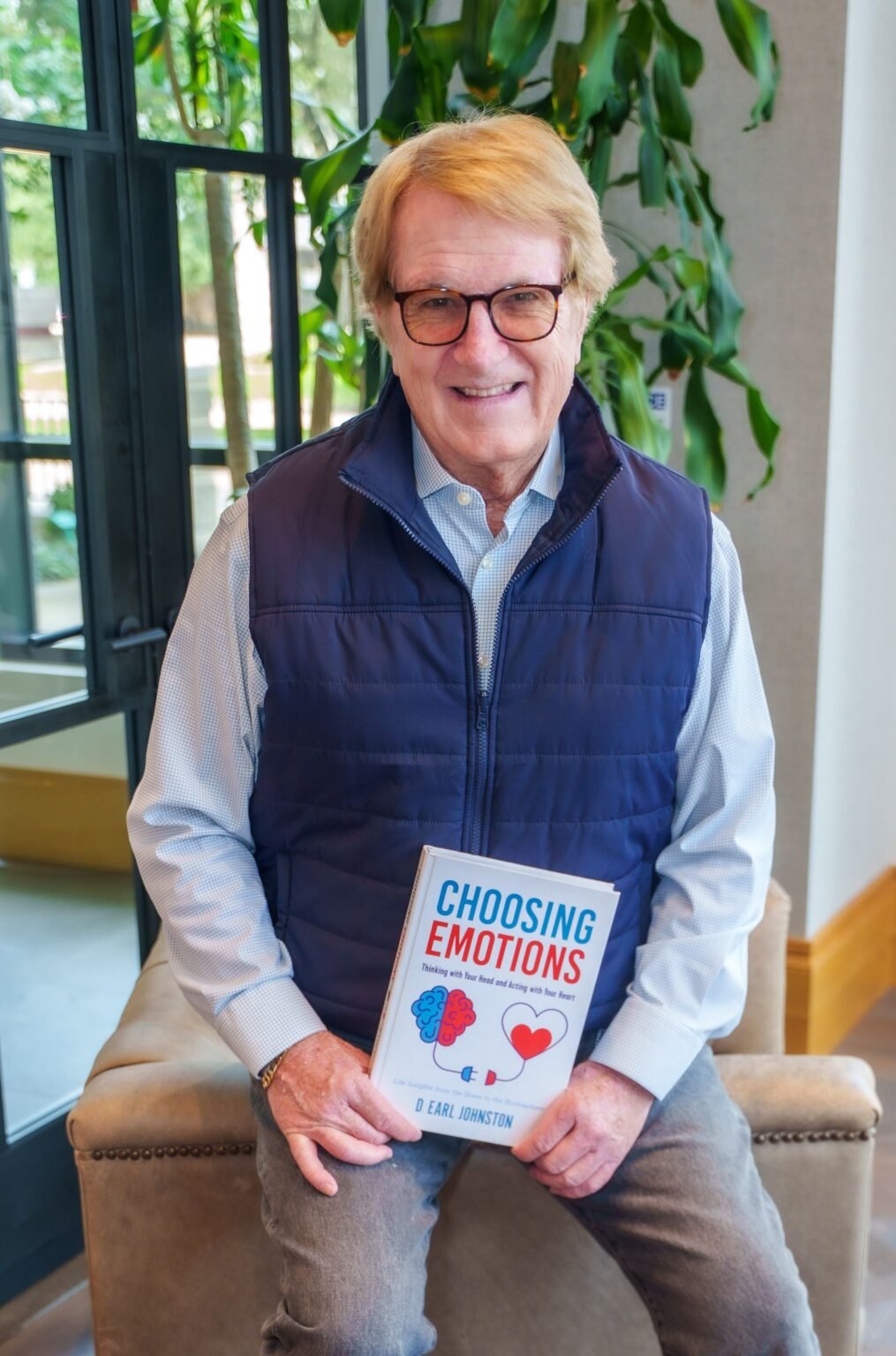
Choosing Emotions: describing what emotions feel like
D. Earl Johnston is an author and researcher behind Choosing Emotions, a 376-page reference covering 272 emotions through contributions from 1,800 people. This conversation looks at the book’s focus on what emotions feel like, and how AI has supported research without taking over the original writing.
AI can help with summaries, diagnostics and comparisons, but Johnston keeps original writing human-led. For understanding emotions, precise language and perspectives from both science and the humanities have a place.
What’s the quick origin story of your business, and what makes what you do genuinely different from the other options your customers are looking at?
While I am a veteran professional corporate researcher, my 15-year-old daughter stumped me at a father-daughter dinner with a question about emotional depression. Nine years later I/we researched and wrote a book covering not only depression but a full spectrum of 272 emotions – all as described in terms, phrases, and quotes of the world’s greatest thought leaders over 2500 years. The approach to describing emotions by ‘what they feel like’ as compared to ‘what they look like’ had essentially never been done before in any scale.
Where does most of your new business come from today, and where do you wish it came from?
Many people buy the book – therapists, physicians, parents, friends, executives, and people looking to be happier and calmer. The book is enormously helpful in solving problems – both existing emotional issues as well as looking-forward creative concepts.
What’s one thing you’ve actually handed over to AI in the last year, and one thing you tried it on and went back to doing the human way?
The book was 100% written without AI over 9 years of research. But once it was completed, AI summarized it as ‘the most comprehensive consumer reference on emotions in the English language – which was quite a happy surprise. I used AI to complete various diagnostics and comparisons. I realized that while AI can be enormously helpful but I still write all the original narratives in my follow-on articles.
Have you noticed a change in how customers find you or what they already know before they reach out? Is anyone arriving through AI assistants like ChatGPT yet?
People find us thru AI, scores of podcasts, social media, TV interviews, and good book descriptions on Amazon and eslewhere. I’ve written many follow-up articles and white papers published internationally. Words are a primary form of cognition, and they serve as the most essential form of thinking and communication. What an emotions presents, words can help describe, and we are calmer and heppier when we put words to our emotions. Words matter. The better your words, the better your life. Words describe. Emotions navigate.
If you were advising someone in your industry on all of this for the next 12 months, what would you tell them to actually do, and what would you tell them to ignore?
I would encourage considering the forefront views of both the sciences and the humanities when considering emotions. More recently the emphasis has been on scientific breakthroughs but top thinkers in the arts, philosophy, and literature have made enormous contributions.
Thank you to D. Earl Johnston and the team at Choosing Emotions for sharing what actually worked with Leaders Perception readers.
Want to share your playbook?
Leaders Perception publishes founder and operator interviews every week. A few questions, about five minutes, no calls. It is free and everyone we accept gets published.