Where AI actually helps software delivery at Saritasa
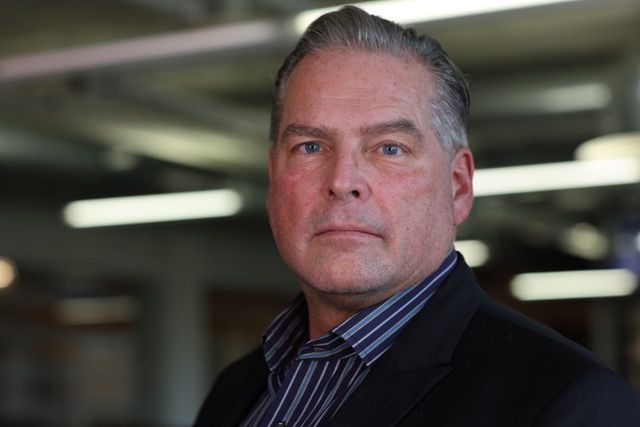
Nik Froehlich is Founder and CEO of Saritasa. Saritasa designs and develops custom, commercial-grade software and modernizes legacy systems for businesses that need technology built around their operations. This conversation is worth reading because it explains which development tasks AI can reliably speed up and which require human architectural judgment.
Use AI for repetitive scaffolding and boilerplate to save developer time, but keep humans in control of architecture and long-term decisions. Invest in internal AI infrastructure and integration, and avoid chasing every new external tool.
What’s the quick origin story of your business, and what makes what you do genuinely different from the other options your customers are looking at?
Saritasa started in 2005 as a software development firm. We built custom applications for clients who needed technology that actually worked in the real world, not just looked good in a demo. What sets us apart is that we don’t just write code. We take ownership of outcomes. We stay with a problem until it’s solved, and we build systems that are maintainable and scalable. Many shops can produce working software. Fewer can produce software that stays working and keeps delivering value years later.
Where does most of your new business come from today, and where do you wish it came from?
Most of our new business still comes from referrals and repeat clients. That’s been the backbone for years. I wish more of it came from companies that find us because they have a specific, hard problem and they’re looking for someone who can actually solve it, not just someone who can staff a project. We’re getting better at that through content and positioning, but referrals are still the majority.
What’s one thing you’ve actually handed over to AI in the last year, and one thing you tried it on and went back to doing the human way?
We’ve handed over a lot of initial code scaffolding and boilerplate generation to AI. It saves real time on the repetitive parts. But we tried using it for architectural decision-making and quickly went back to doing that the human way. AI is good at producing options. It’s not good at knowing which option fits the long-term reality of a business.
Have you noticed a change in how customers find you or what they already know before they reach out? Is anyone arriving through AI assistants like ChatGPT yet?
Yes. More prospects are arriving with a clearer sense of what they want, or at least what they think they want. Some have already run their problem through ChatGPT or Claude and show up with a half-baked architecture or a list of requirements. We haven’t seen many people yet who say “ChatGPT recommended you,” but we are seeing people whose first exposure to an idea came from an AI assistant. That changes the starting point of the conversation.
If you were advising someone in your industry on all of this for the next 12 months, what would you tell them to actually do, and what would you tell them to ignore?
I’d tell them to get serious about their own internal AI infrastructure and processes now. Build the foundation. Don’t wait. And I’d tell them to stop chasing every new AI tool that comes out. The tools will keep changing. The companies that win are the ones that get good at integrating AI into how they actually deliver, not the ones that adopt the most tools.
Thank you to Nik Froehlich and the team at Saritasa for sharing what actually worked with Leaders Perception readers.
Want to share your playbook?
Leaders Perception publishes founder and operator interviews every week. A few questions, about five minutes, no calls. It is free and everyone we accept gets published.