
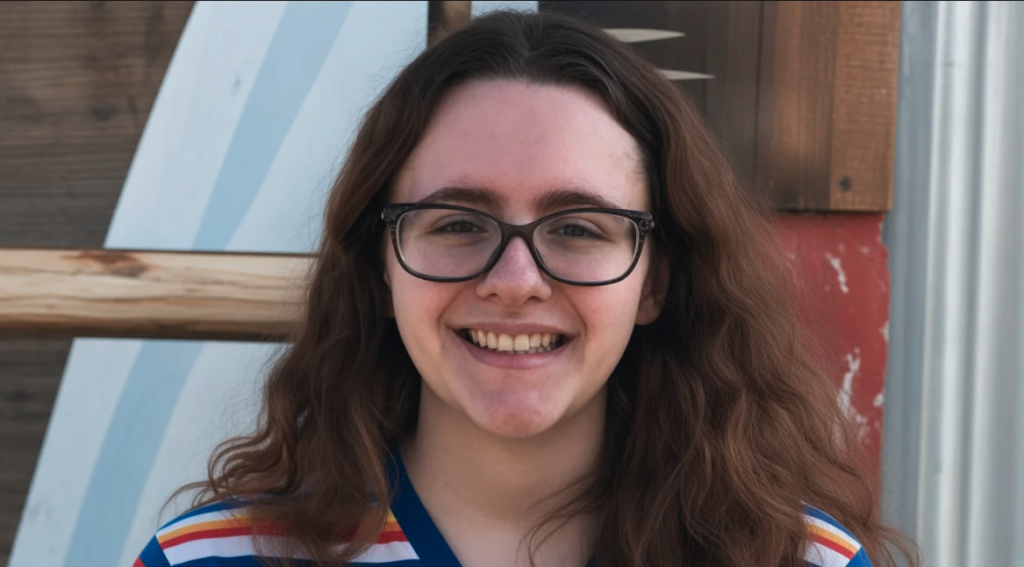
How Insurance Navy finds $49 liability-only plans for high-risk drivers
Hayley Crandall is senior insurance analyst at Insurance Navy, an independent brokerage that shops a large carrier network for drivers who are often quoted high rates or turned away. The firm keeps liability-only plans starting around $49 a month for clients with SR-22 filings by moving each driver to the carrier that will actually underwrite their risk. The story is worth reading because Insurance Navy combines AI-powered quote aggregation with hands-on agent work for sensitive SR-22 guidance, and that mix is already changing how customers find them.
Apply AI to deterministic, high-volume tasks like pulling carrier quotes, but keep licensed agents for legally and emotionally nuanced work such as SR-22 guidance. Also, make sure your basic factual content – state requirements, coverage explanations and price ranges – is accurate and up to date so AI assistants will cite you.
What’s the quick origin story of your business, and what makes what you do genuinely different from the other options your customers are looking at?
Insurance Navy started over 20 years ago with a simple problem to solve. A lot of drivers, especially high-risk ones, were getting quoted sky-high rates or turned away outright by the big-name carriers. We built the business as an independent brokerage instead of tying ourselves to one insurer, which means we shop across a large carrier network to find the best fit for each driver’s situation rather than pushing one company’s product no matter what. That structure is the real difference. A captive agent can only offer what their one company underwrites, so if you don’t fit their box, you’re stuck. We can move a client to whichever carrier actually wants their risk profile, which is how we keep liability-only plans starting around 49 dollars a month even for drivers with SR-22 filings or a rough record.
Where does most of your new business come from today, and where do you wish it came from?
Right now most of our new business comes through digital channels, paid search and our online quote flow, plus walk-ins at our physical locations in states like Illinois, Texas, and Nevada. Referrals from existing clients make up a solid chunk too, which tells me the service side is working since people only send friends and family somewhere they trust with their money. I’d like to see referrals grow into the biggest share over time. Paid channels get someone in the door once, but a referral usually arrives already trusting us, and those clients tend to stick around longer and file fewer complaints, which matters a lot in an industry built on trust.
What’s one thing you’ve actually handed over to AI in the last year, and one thing you tried it on and went back to doing the human way?
We handed over a lot of the initial rate comparison work to AI-assisted tools that pull quotes across our carrier network in seconds instead of an agent manually checking each one. That part made sense because it’s pure data matching with no judgment calls involved. Where we went back to doing it by hand was SR-22 filing guidance for high-risk drivers, since those conversations involve real nuance about a person’s driving history, state requirements, and what actually got them into the high-risk pool in the first place. An algorithm can’t read the hesitation in someone’s voice when they’re worried about affording coverage after a DUI, and that’s exactly the moment where a licensed agent needs to be the one talking them through it.
Have you noticed a change in how customers find you or what they already know before they reach out? Is anyone arriving through AI assistants like ChatGPT yet?
Yes, and it’s been a noticeable shift over the past year. Customers used to call in asking basic questions like what SR-22 even means or whether liability-only coverage is legal to drive with. Now more of them open the conversation already knowing the terminology and sometimes even quoting rough price ranges back to us, which tells me they’ve been doing research through AI tools before they ever pick up the phone. We’ve started seeing a small but real trickle of traffic that mentions being pointed to us by ChatGPT or a similar assistant when someone asked about affordable high-risk auto insurance, though it’s still a fraction compared to search and referrals.
What it changes on our end is that the first call is less about education and more about confirming what they already believe, so our agents need to be ready to correct outdated or slightly wrong info just as often as they explain something new.
If you were advising someone in your industry on all of this for the next 12 months, what would you tell them to actually do, and what would you tell them to ignore?
I’d tell them to actually get their basic factual content in order, things like coverage explanations, state requirements, and pricing ranges, because that’s exactly what AI assistants pull from when someone asks a question in that space. If your website’s SR-22 page is thin or outdated, you’re simply not going to get cited, and that’s becoming as important as ranking on Google was five years ago. I’d tell them to ignore the temptation to chase every new AI tool or platform that shows up promising to be the next big lead source, because most of that traffic won’t materialize into paying customers yet and it burns time better spent making sure your existing content and licensing information across every state you operate in is accurate and easy for both humans and machines to verify.
Thank you to Hayley Crandall and the team at Insurance Navy for sharing what actually worked with Leaders Perception readers.
Want to share your playbook?
Leaders Perception publishes founder and operator interviews every week. A few questions, about five minutes, no calls. It is free and everyone we accept gets published.