
The AI Reality Check
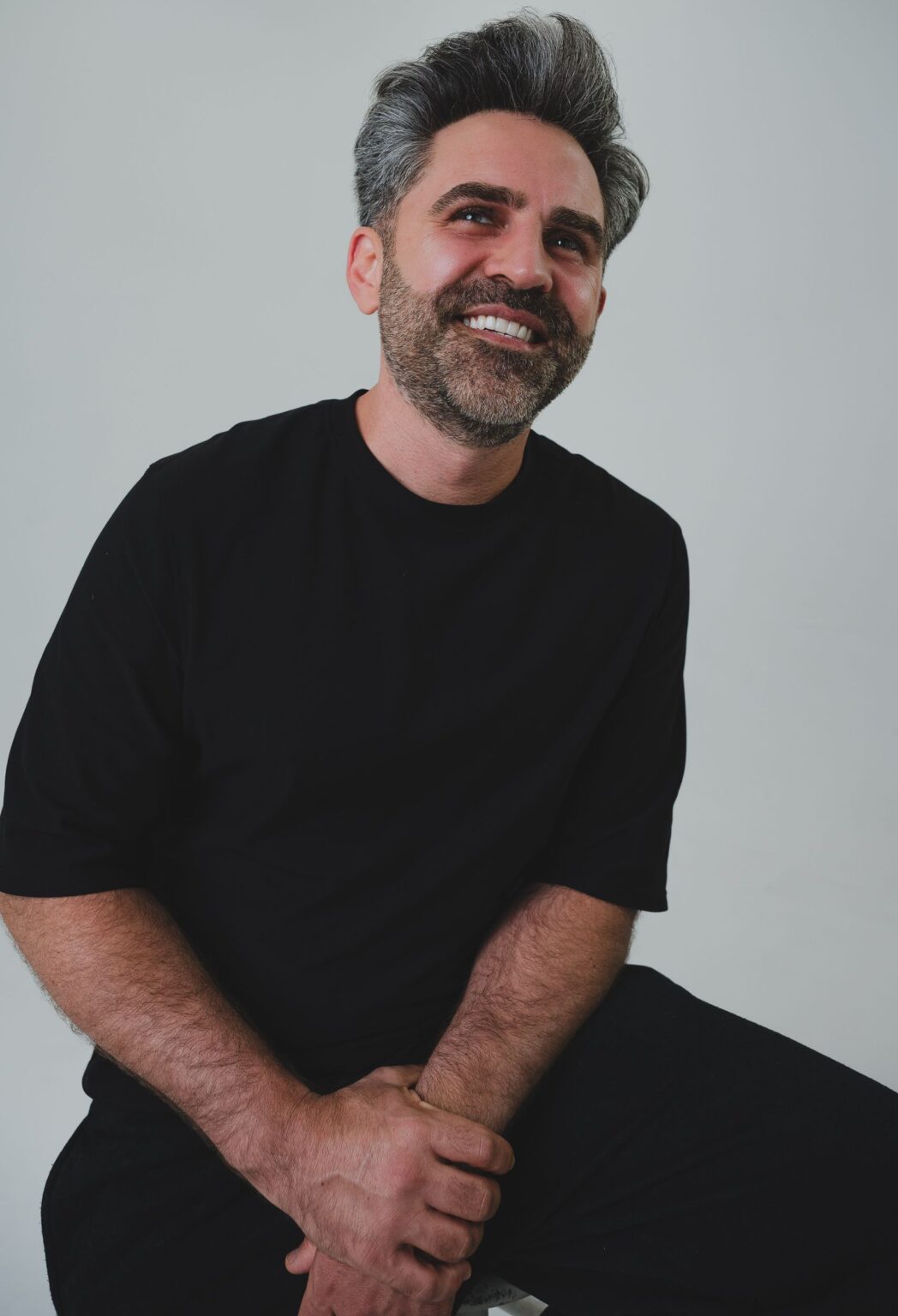
Ari Rastegar on using AI for underwriting, not judgment
Ari Rastegar founded Rastegar Property and INFIN1TY after starting in private equity real estate, where the core idea was simple: find assets where price and value do not match. The business now spans real estate and broader private markets, and the telling detail is how much of its AI use stops at research, math, and document work, while human judgment still sets the course.
AI has been useful for underwriting, pro formas, research, and organizing data, but the firm has drawn a hard line at discernment and curation. In a relationship-driven private markets business, the real advantage still comes from trust, reputation, and a human double-check on the work.
What’s the quick origin story of your business, and what makes what you do genuinely different from the other options your customers are looking at?
I started in private equity real estate as a fund-to-fund business and private investing, and there was a very simple premise. It was, can I provide accredited investors access to institutional deals and basically think around the philosophy that price and value are not the same thing.
So could I really get them things that they did not have access to, even though they were accredited and technically could? Rastegar Capital is built around finding these assets where we believed there was some disparity, some dislocation of what it would cost today, or what it could be fundamentally worth at a discount to replacement cost.
Either we did that through other managers or investing ourselves, but through 38 cities, 13 states, and 7 different asset classes, we did. And now we’re evolving that model and expanding our investment thesis beyond just real estate.
We’ll continue to develop our trophy assets, develop and invest in real estate, but we’re going to evolve the same philosophy into the broader private markets, such as venture capital, private credit, hedge funds, and traditional private equity in general.
The things we’re really focused on are these two enormous market and structural shifts that we’re seeing globally. Liquidity has a dislocation in private equity, and some of the best companies now are staying private for longer, so liquidity is a real issue. You might end up having a great asset, but a seller needs liquidity. That seller has a problem. The asset or the investment itself doesn’t necessarily have a problem, and that’s a huge distinction.
So early on, and even until now, this access, this intersection between the underwriting, the relationships we have to great deals, technology, and being patient capital is incredibly important. All of that has still stayed true today.
Where does most of your new business come from today, and where do you wish it came from?
A tremendous amount of our business comes from referrals, whether from our existing retail investors or from our institutional investors that are public pension funds, firefighters, and other large investment firms. They come from referrals, our reputation, our existing network, and there are always just inbound leads that come no matter what.
I think that’s normal in private markets because trust and track record from your existing base is always going to be the best place. This is very much a relationship-driven business, and I think in general for us in particular, even more.
I want the next generation of growth to continue to come from that, but we need to use more education, more content, and be visible in a place where there is some AI-driven discovery. Most importantly, live experiences and in-person experiences that we’ll be cultivating because people, I think, are overly digitized.
For us, the goal has always been relationships and using technology to enhance human relationships.
What’s one thing you’ve actually handed over to AI in the last year, and one thing you tried it on and went back to doing the human way?
We’ve handed AI a tremendous amount of just math and basic analysis around underwriting, pro formas, and market analysis. Whether that’s research, synthesizing information, organizing data, and preparing something for humans to look at, which would have taken a lot of manpower, AI can do a lot of that.
But there’s still a human touch in everything that we do. A human, whether it’s proofreading the analysis or just double-checking all the work, is very, very important.
For Infinity, the concept is that people shouldn’t just use AI or manage a portfolio just with AI agents. They should be worked as underlings for humans, as an advisor more than anything. You really can’t outsource judgment or discernment, and that’s the real commodity.
So anything that requires discernment, curation, or judgment is always going to be done by a human because our concept is to enhance better human relationships for our customers. We can automate information, but we’re not going to try to outsource wisdom.
Have you noticed a change in how customers find you or what they already know before they reach out? Is anyone arriving through AI assistants like ChatGPT yet?
Absolutely. People are coming from all different angles, and it’s hard to even tell where they’re coming from entirely, but certainly we’ve seen some because the customer journey for people has really changed.
How they search for information has changed. How that information is distributed to them and how they find it is very much changing. People used to try to come meet you and then research you. Now people have researched you extensively and either aren’t coming to you for whatever they find online, whether it’s true or not, or by the time they do get to you, it’s much easier to close the sale because they’ve watched interviews, seen articles, seen so much content, and seen podcasts about us.
We’re covered in every major publication in the world, so good or bad, they know a lot more than they used to. Whether someone says, “ChatGPT told me to call you,” I don’t know about that yet, but I do know in the discovery that it is using it.
AI is becoming like the first look or the cover story for people who have a reputation, for their reputation and their discovery, and I think that works both ways. If the content online is true, then it’s very helpful. If it’s not, it can be a big problem.
If you were advising someone in your industry on all of this for the next 12 months, what would you tell them to actually do, and what would you tell them to ignore?
I would stop treating AI like the end-all, be-all to every single thing you need. Use it as what it is. It’s an advisor. It’s another person on the team, so to speak, but it still needs to be managed just like anybody else does.
If we use it to organize documents and things of that nature, you can compound the intelligence that the company has at a corporate level, which is highly important. But more importantly, the discernment and the person are going to be the most important thing.
I think there’s going to be a huge pushback away from that, so people continuing to work on the fundamental skills that it takes in business is more important than ever.
When people started to pull away from some of the fundamental workings of how to do business and how to do due diligence, I think that’s going to swing back, where people really need to understand those fundamentals more than anything.
Thank you to Ari Rastegar and the team at Rastegar Property / INFIN1TY for sharing what actually worked with Leaders Perception readers.
Want to share your playbook?
Leaders Perception publishes founder and operator interviews every week. A few questions, about five minutes, no calls. It is free and everyone we accept gets published.