
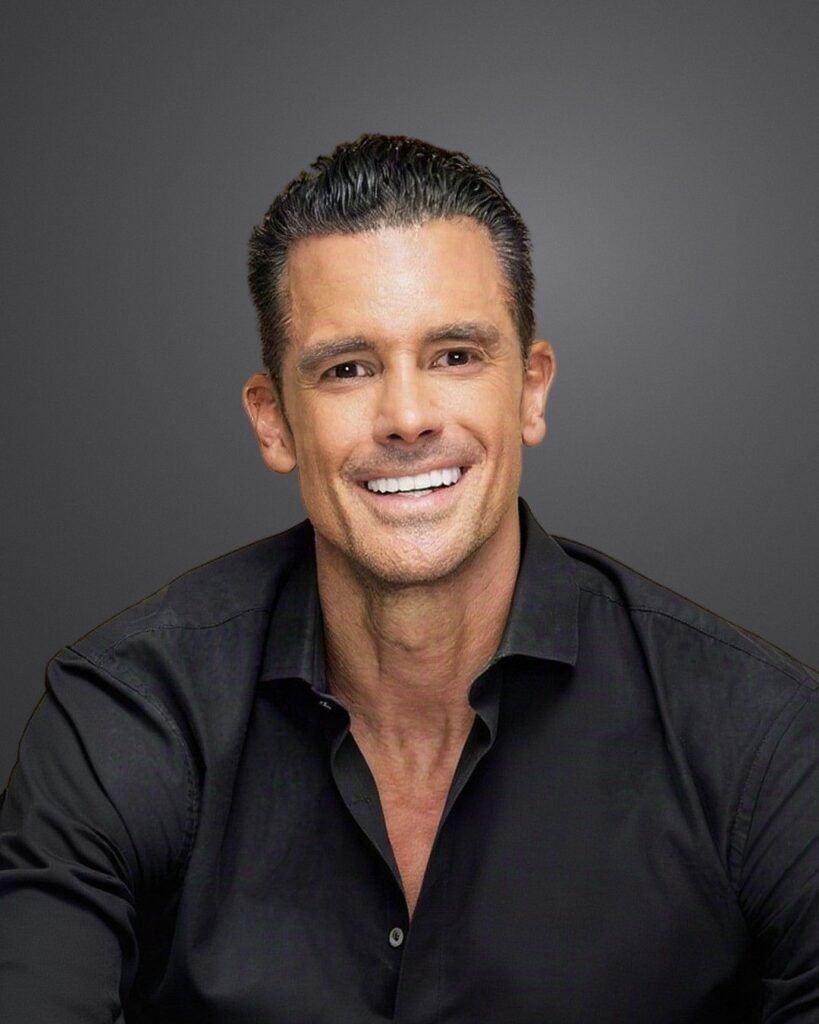
Why Thomas Prommer says digital transformation should not be a project
Thomas Prommer is Group CEO of We The Flywheel and Co-Founder of Flywheel Motion. We The Flywheel builds and runs digital media and software products, while Flywheel Motion helps enterprise leaders put AI to work as an operating capability; this conversation makes the case for an ongoing transformation cadence over one-off programs.
In Thomas Prommer’s view, transformation is better treated as an ongoing operating cadence, with regular reviews, clear measures and adjustments to the pace of change. He also recognizes that work with a fixed deadline, such as a regulatory requirement or platform migration, may need a project wrapper.
What’s one opinion about your industry that most of your peers would disagree with?
Digital transformation should never be run as a project. The moment it gets a budget, a launch date and a finish line, it starts to fail. Transformation is an operating cadence: governance, good data and feedback loops that run every week, indefinitely. More money doesn’t fix a transformation that’s stuck. A different mindset does.
What convinced you? Tell us about the moment, client or result that changed your mind.
I’ve led technology at adidas, sweetgreen and Huge, and the pattern kept repeating. The big programs launched on time and declared victory, and eighteen months later the organization had drifted back to how it worked before. The teams that kept improving never had a "go-live". They had a rhythm: weekly reviews, clear metrics, and the authority to change course. Training for Ironman made it click. A project has an end date. A training protocol has a purpose, a cycle and feedback loops.
What’s the usual way people in your field handle this, and what do you do instead?
The usual approach is the annual transformation program: a consultancy-built roadmap, a steering committee, a big-bang launch and a success report. I start from a different question. Not "how do we transform the company this year?" but "which capabilities matter most, and how much change can the organization absorb without its output degrading?" Then we set a cadence, like a training block: small loads, measured every week, increased only when the system has adapted.
Where has this view cost you, or where have you had to admit you were partly wrong?
It’s a harder sell. Boards and CFOs like a fixed scope, a price and an end date, and "we’ll build a cadence" sounds vague next to a 40-slide roadmap. I’ve lost engagements to firms that promised a finish line. I’ve also had to admit that some things do need a project wrapper: a hard regulatory deadline or a platform migration has a real end. Now I put those inside the cadence instead of letting them replace it.
What should someone in your field stop doing, and what should they start doing?
Stop: declaring transformation "done" at go-live, and measuring success by milestones delivered instead of capability gained. Start: running transformation like a training plan, with a weekly review rhythm, a few leading indicators, and an honest read of how much load the organization can take before quality drops.
Thank you to Thomas Prommer and the team at We The Flywheel for sharing an honest view with Leaders Perception readers.
Have a view your industry needs to hear?
Leaders Perception publishes interviews with business owners and leaders who see their industry differently. Five questions, about ten minutes, no calls. It is free and every completed interview gets published.