
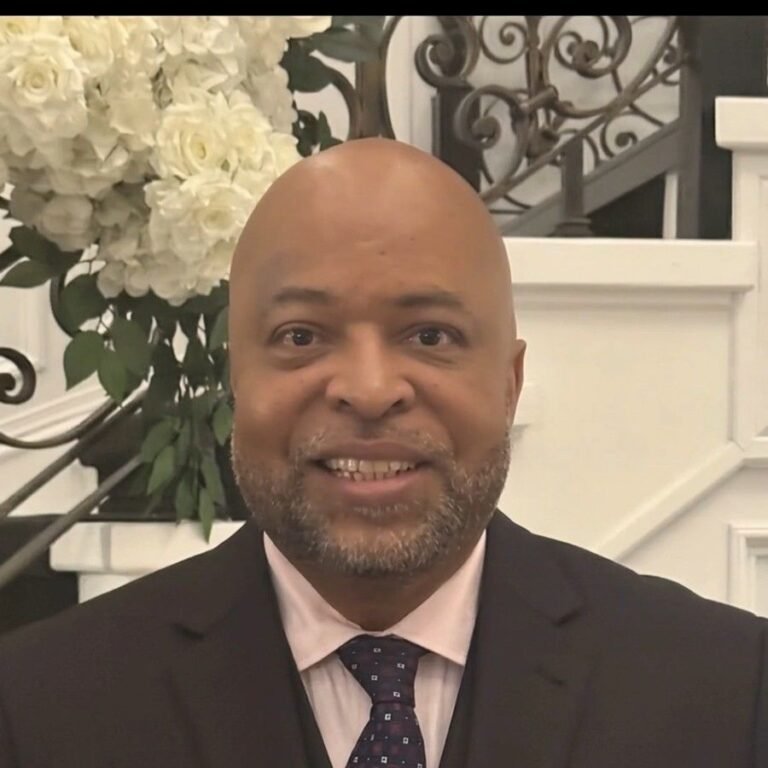
Why Peter Andrew Wint thinks dating platforms should stop charging subscriptions
Peter Andrew Wint is the founder of PayGate Dating, a dating platform with no subscriptions. Two people who match share fixed fees as they move through chapters toward exchanging contact details and planning a date. The conversation explores why Peter Andrew Wint believes platforms should earn from mutual progress, and what that choice costs and complicates.
Peter Andrew Wint’s model ties revenue to mutual progress: both people share a fixed chapter fee, and payment toward a chapter that does not open returns as platform credit. The trade-off is less predictable recurring revenue and a pricing structure that needs explanation.
What’s one opinion about your industry that most of your peers would disagree with?
A dating platform should make less money the longer you stay single. The industry runs the opposite model: a subscription pays the platform every month you keep searching, so the business does best when you keep failing. Most of my peers will tell you subscriptions are the only proven way to monetize dating. I think that model is a structural conflict of interest — the customer’s goal is to find someone and leave, and that is exactly the outcome the company is paid to prevent.
What convinced you? Tell us about the moment, client or result that changed your mind.
Building PayGate Dating. As we built it, the subscription machinery kept inventing new ways to keep members paying and searching — premium tiers, engagement perks, milestone rewards — and none of it helped two people actually meet. The moment it clicked was watching our own design drift toward rewarding time-on-app instead of progress between two people. I retired our Premium tier and the subscription idea entirely. If the meter runs while nothing is happening, the meter is the product — and the members are just feeding it.
What’s the usual way people in your field handle this, and what do you do instead?
The usual way: charge a monthly subscription to unlock visibility and features, and let the meter run whether or not a single real person ever talks to you. What we do instead: PayGate Dating has no subscription and no premium tier. Two people who match move through chapters together, and each step has a small fixed price the two of them split — $5 to $20 a chapter, $55 total for a pair to go all the way to exchanging contact details and planning a date. And if the other person declines, or never answers before a chapter opens, what you paid toward it comes back automatically as platform credit. We earn only when two people actually progress.
Where has this view cost you, or where have you had to admit you were partly wrong?
It costs us the thing investors like most: predictable recurring revenue. A subscription business is easier to value and easier to sell, and we gave that up on purpose. I was also partly wrong about how easily people would understand the alternative. Singles are so trained by subscriptions that a shared per-chapter price needs explaining, and our first version of splitting the cost confused people. I also let a premium tier exist in the design longer than I should have — I built the very thing I now argue against before I was willing to kill it.
What should someone in your field stop doing, and what should they start doing?
Stop charging people for the opportunity to meet someone. Stop profiting from loneliness — subscriptions that bill the still-searching, paywalls in front of real people, boost fees that sell hope by the week. Start charging only for outcomes both people chose: mutual progress, step by step. And start giving money back when the other side doesn’t show up. Align the meter with the mission, and a dating platform can finally be on the same side as the people using it.
Thank you to Peter Andrew Wint and the team at PayGate Dating (Wint Enterprises, Inc.) for sharing an honest view with Leaders Perception readers.
Have a view your industry needs to hear?
Leaders Perception publishes interviews with business owners and leaders who see their industry differently. Five questions, about ten minutes, no calls. It is free and every completed interview gets published.