
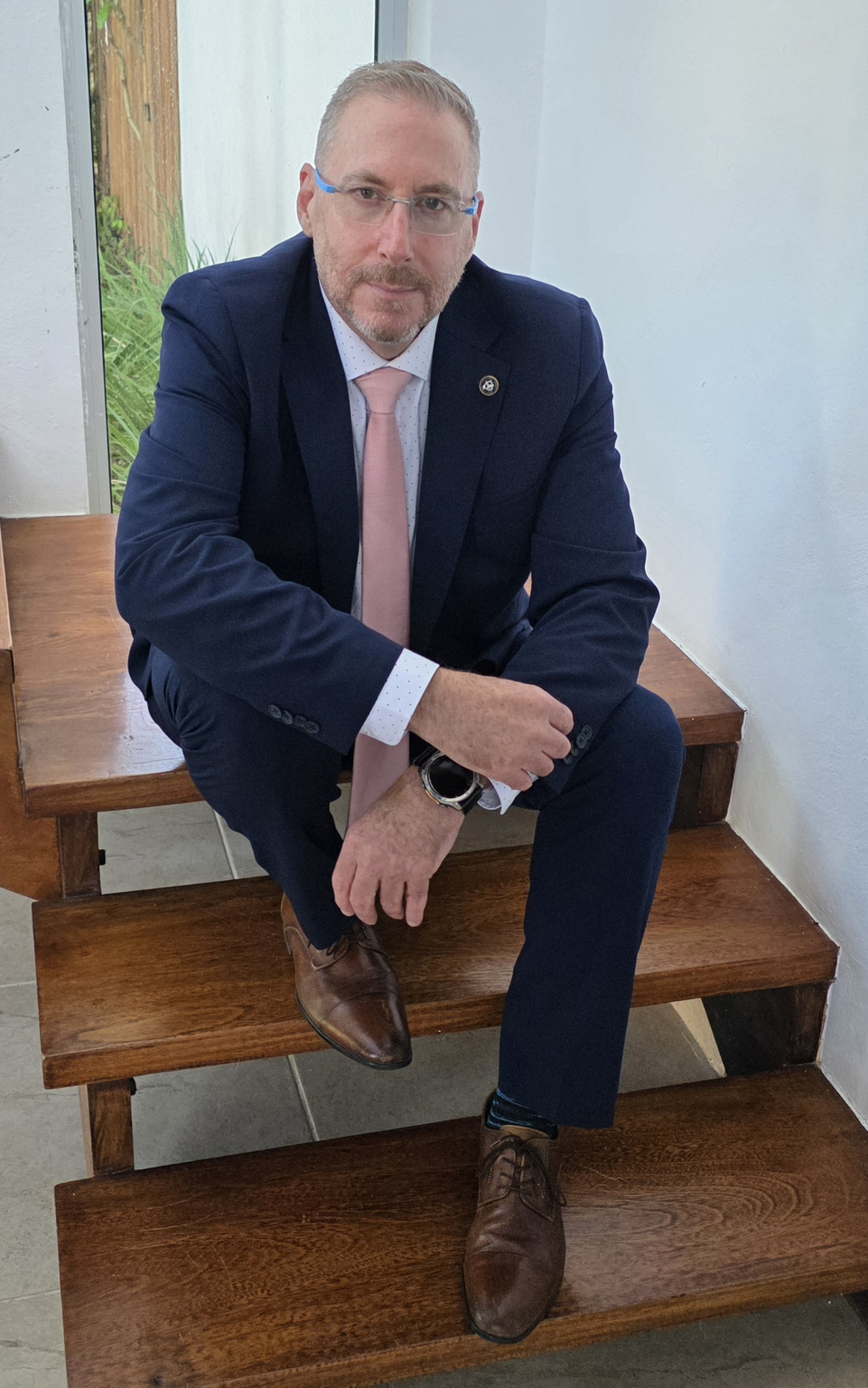
Why Marcelo Roisman wants adaptability in home plans from day one
Marcelo Roisman is Founder and CEO of Inclusive Living International and creator of the Inclusive Living Standard (ILS). The organization works with architects and developers before plans are final to design homes that can adapt as families’ needs change. Roisman explains why adaptability should be considered early, rather than added only after a problem arises.
Roisman argues that adaptability should be considered before home plans are final, not only after a health or family change. Walking through everyday scenarios during design can help identify what to build in from the outset and what to make easier to change later.
What’s one opinion about your industry that most of your peers would disagree with?
Adaptability belongs in the first set of plans, even for modestly priced homes. When people buy their first home, no one asks how they would get inside if they were injured tomorrow, or what would happen if a parent who needs help moved in. That could happen on move-in day or forty years later. We can’t predict everything a family will go through. We can design a home that gives them options.
What convinced you? Tell us about the moment, client or result that changed your mind.
I came to housing through rehabilitation. I saw people who were ready to leave the hospital, but their homes weren’t ready for them. Families had made all the arrangements, yet a single step at the entrance or a bathroom with no room for two people could complicate the return home. After my team and I worked in more than 15,000 homes, I started seeing the same barriers over and over. Many of the questions we were asking in finished homes could have been asked when the home was still on paper. That experience led to the Inclusive Living Standard.
What’s the usual way people in your field handle this, and what do you do instead?
The usual approach is to adapt a home once a problem comes up. At Inclusive Living International, we work with architects and developers before the plans are final. We walk through everyday situations on paper: getting inside, reaching the bathroom, helping someone shower. We look at what should work from day one and what the design should make easier to change later. The Inclusive Living Standard assesses that capacity and gives developers a concrete way to show it to buyers. Two homes can have the same number of square feet and the same asking price. If one lets you adapt the bathroom without rebuilding it, that’s a difference a buyer can understand.
Where has this view cost you, or where have you had to admit you were partly wrong?
I made two mistakes in how I talked about this. At first, I spoke almost exclusively to people who already needed to adapt their homes and the families helping them. I was joining the conversation too late. I also needed to talk to young people buying their first home, because their needs could change on move-in day or decades later.
Then I went to architects and developers and talked about the problems families might face in the future. Those problems were real, but I hadn’t given them a business reason to change the plans. Today I explain what each party stands to gain: the buyer gets a home that can keep working for them, the developer has a real selling point they can show, and the lender can consider adaptability when assessing the property behind the loan. That’s the win-win-win I had missed.
What should someone in your field stop doing, and what should they start doing?
Stop evaluating a home on square footage and bedroom count alone. Before signing off on the plans, walk through an everyday scenario: someone comes home after knee surgery and needs help getting from the front door to the shower. Where does it get difficult? What can you fix in the plans now, and what can you make easier to change later? Then show buyers that same example. It gives them a way to compare two floor plans that look identical on a sales sheet.
Thank you to Marcelo Roisman and the team at Inclusive Living International for sharing an honest view with Leaders Perception readers.
Have a view your industry needs to hear?
Leaders Perception publishes interviews with business owners and leaders who see their industry differently. Five questions, about ten minutes, no calls. It is free and every completed interview gets published.