
Why Jon Michail says leaders need credibility, not more visibility
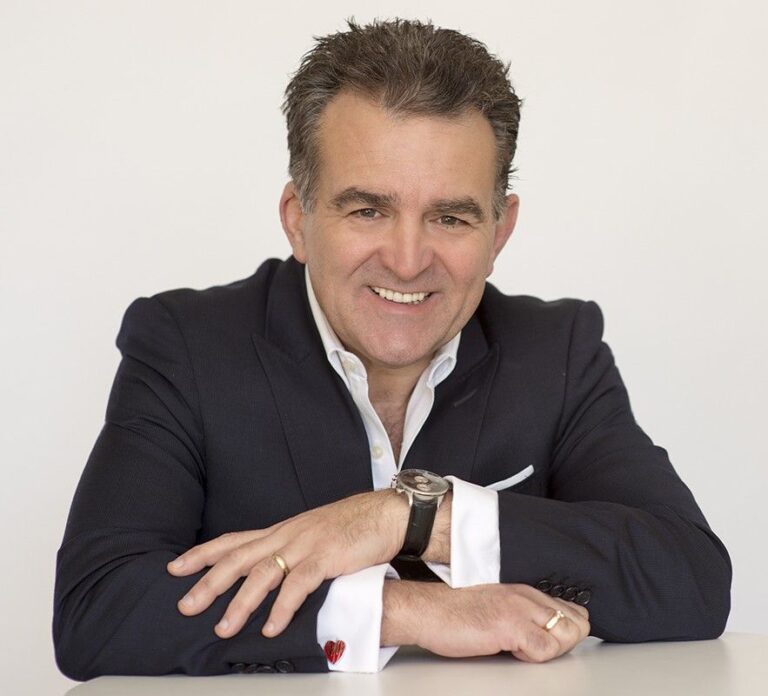
Jon Michail, Founder & Group CEO of Image Group International, leads an Australian reputation and personal branding firm focused on digital first impressions. Michail argues that senior leaders should prioritize credibility and discretion over constant public visibility, a view shaped by the risks of disclosure and the limits of content-led reputation work.
For senior leaders, visibility should follow a reputation strategy, not stand in for one. Michail’s approach is to make people verifiable, focus on the relationships and decisions that matter, and use public content selectively.
What’s one opinion about your industry that most of your peers would disagree with?
The personal branding industry has spent a decade telling leaders to share more: more vulnerability, more content, more of themselves. For senior people, more disclosure often costs trust if not handled with gravitas.
Visibility isn’t reputation.
A founder, a CEO or a board director isn’t trusted because they post often. They’re trusted because their judgement holds up when no one is watching.
Most of what “my” industry sells is superficial visibility accelerated by AI production. What leaders and public-facing professionals need is evidence, discretion and someone in their corner who is a confidante…with the lived experience to help them make the wise call.
What convinced you? Tell us about the moment, client or result that changed your mind.
In theory, a leader who opens up builds trust. In the real world, I watched a CEO confide personal challenges to the people around him, including his head of communications.
That person leaked it to the board, and the board leaked it to the media. He spent a long period on gardening leave and then resigned.
The people he trusted with his story weren’t there to protect his image; they were there to protect themselves.
What’s the usual way people in your field handle this, and what do you do instead?
The usual way is a closed loop feeding each other’s narcissistic tendencies. Production all the way: build the profile.
Content calendars, LinkedIn posting, media hits, a polished website, then measure followers and impressions. So, early 2010s. Of course, others do stellar work that may not be as visible" now sits between "the usual way".
What my team and I do: start with the foundations: what the person’s name could earn a year from now and in five years by elevating reputation capital and reducing reputational debt.
Board seats, appointments, equity, the deals that are never advertised. Then work back to the few things that move it. Often that means less public noise, not more.
Get the facts straight, make the person easy to verify, put them in front of the few people who matter, and keep the rest private.
Strategy first, production second, and only when the strategy calls for it.
Where has this view cost you, or where have you had to admit you were partly wrong?
The lunch that cost me a client.
For 37 years I’ve helped people position, reposition and sell their value: CEOs, founders, politicians, celebrities. I’ve always believed image is a gift, a God-given birthright to show the best of who you are. An imagemaker’s job is to bring that out, not to paint over it.
A few years ago, I was seven months into work with the chairman of an ASX-listed company. It was going well. The conversations were honest, and the work was moving his and the board’s reputation and the share price, exactly as the brief asked.
Then, over lunch, relaxed and open, he told me he was using his CEO for purposes that served him personally, not the company.
I’d heard versions of this before. I didn’t lecture him. I didn’t judge him. We kept talking, and I in the spirit of chat I mentioned, almost in passing, that I rate all my work, personal included, by one test: how well I sleep at night.
It knocked him for six. His face darkened. He changed the subject.
A week later, I’d lost the client. He never told me why.
You can’t win them all. Although I remember it like yesterday, I’ve never lost sleep over that one.
What it taught me – Image isn’t a mask. If what’s underneath doesn’t hold, no amount of positioning will. I won’t polish what I can’t stand behind long-term.
– The most revealing disclosure is rarely planned. People tell you who they really are when they relax. Listen.
– Losing the right client is part of the work. My reputation is the only asset I can’t rebuild for someone else.
What should someone in your field stop doing, and what should they start doing?
I don’t usually advise my competitors. But to anyone in my field, or a related one, who genuinely cares: visibility matters, but credibility matters more.
Visibility without credibility is spin. Credibility without visibility is not leverageable.
Finding the right balance is the wise approach. Stop measuring followers and impressions for people whose careers are decided in real rooms, not feeds. Stop telling every leader to be more vulnerable online. That can be career suicide.
One way we do it is by starting with the number: what the person’s name earns today and what it could earn.
Start making people verifiable, not just visible.
Start putting a human, an accountable adviser, at every point that matters, and use technology as a support tool for the rest.
And start saying the price out loud. Own your value.
Thank you to Jon Michail and the team at Image Group International for sharing an honest view with Leaders Perception readers.
Have a view your industry needs to hear?
Leaders Perception publishes interviews with business owners and leaders who see their industry differently. Five questions, about ten minutes, no calls. It is free and every completed interview gets published.