
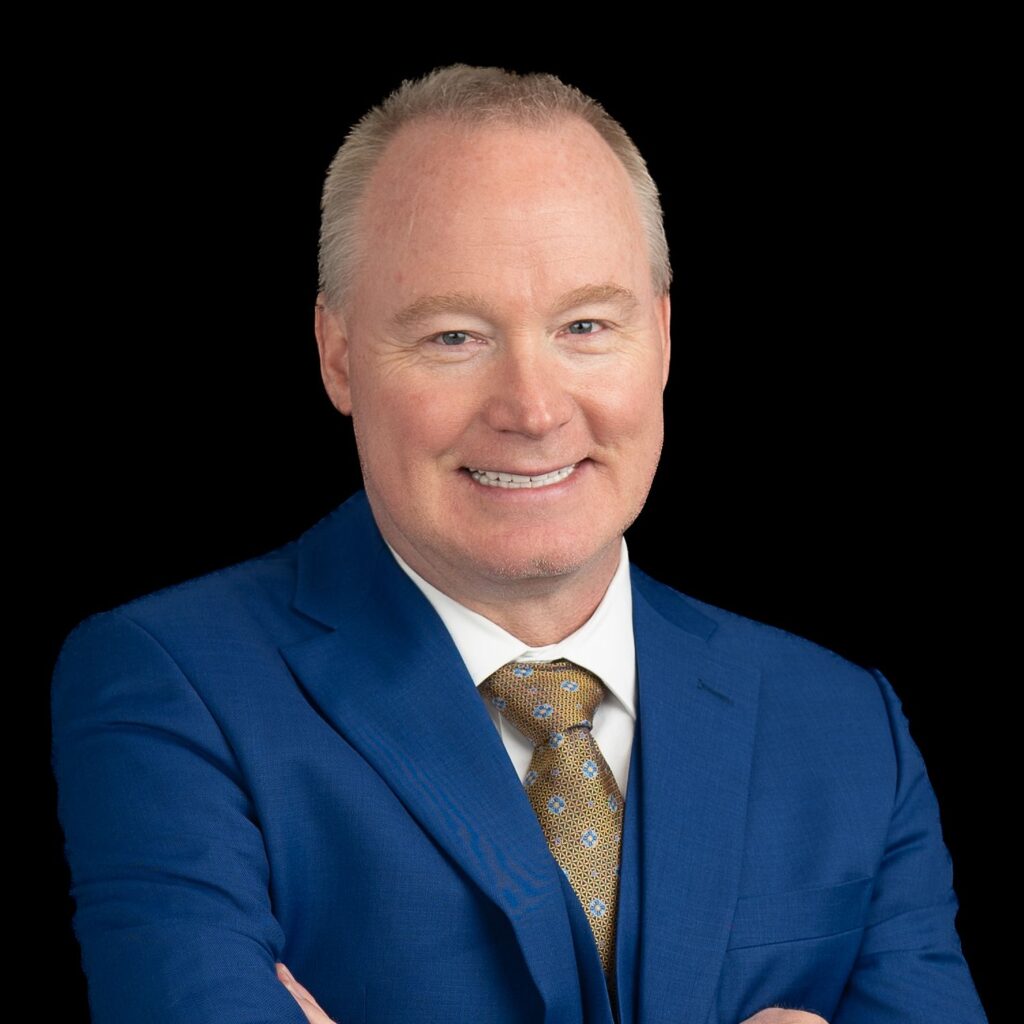
Why Dr. David Lenihan thinks medical schools should look beyond scores
Dr. David Lenihan is the current CEO and Co-Founder of Tiber Health and the past President and CEO of Ponce Health Sciences University. Tiber Health creates opportunities for universities to help students from all backgrounds become health professionals. Lenihan argues that medical school admissions should look beyond grades and test scores to consider who may make a meaningful contribution to healthcare.
Lenihan believes admissions teams should assess applicants for their potential to serve patients, including in underserved communities, rather than rely mainly on GPA and MCAT rankings. He describes using predictive analytics to widen access while tracking student outcomes and providing early support.
What’s one opinion about your industry that most of your peers would disagree with?
When vetting applicants for medical school, the goal shouldn’t be to seek the "smartest" applicants: it should be to discover the applicants who will have the biggest and most positive impact on healthcare in the United States. In my experience, I’ve found that a "smart" applicant who gets a 528 on the MCAT exams (the highest score you can get) isn’t interested in practicing primary care, obstetrics, and pediatrics in medically underserved rural or inner-city areas (also known as MUAs). He/she will pursue more lucrative opportunities, like neurosurgery, in America’s largest and busiest markets. There’s nothing wrong with those profitable pursuits, but they won’t help Americans who desperately need access to quality healthcare from med school grads who communicate well with patients and are empathetic, skilled practitioners. These future doctors – who tend to come from lower-income backgrounds – may not have undergrad grades or MCAT scores in the top few percent, but their contributions to the well-being of their fellow citizens are arguably more important.
What convinced you? Tell us about the moment, client or result that changed your mind.
In 2015, the American Association of Medical Colleges removed the Verbal Reasoning (VR) category from the MCATs. In my opinion, it was a wise decision, since the VR results provided no indication of whether an applicant had the potential to be a capable med student who could score well on the medical board exams and build a career in an MUA. Once the VR was gone, we could analyze the applicants’ data more realistically, and we saw that the pool of prospective future doctors with the drive and capability to deliver measurable benefits to American healthcare was significant. We made it our goal to focus on and enroll such students, as they aligned with our mission.
What’s the usual way people in your field handle this, and what do you do instead?
The majority of med school admissions teams tend to prefer a tried-and-true, comfortable, and predictable vetting process for applicants. This methodology focuses on entering applicants’ GPAs and MCAT scores into a spreadsheet, tiering them, deleting applicants with the lowest scores, and choosing from the remaining pool. The fallacy is thinking that applicants’ GPA and MCAT results signify "the best of the best of the best" (borrowing a line from "Men in Black"), but they don’t: top grades and high standardized test scores don’t predict your ability to become a top doctor. It’s an uncreative and uncurious approach that’s an unfortunate encapsulation of the wisdom of U.S. Navy Rear Admiral Grace Hopper, who famously pushed back against rigid tradition in favor of innovation with: "The most dangerous phrase in the language is, ‘We’ve always done it this way.’"
Where has this view cost you, or where have you had to admit you were partly wrong?
At Ponce Health Sciences University, we’ve developed an innovative and highly accurate predictive analytics model that’s an excellent indicator of student outcomes in our program. This model is used to expand admissions access for underrepresented applicants, forecast applicants’ eventual board exam performance, and guide early remediation when a boost is required. The only time our model was thrown off was during COVID: across the United States and at every university, students’ study patterns changed, so we needed to adapt and modify our predictive analytics system. Would things be easier for us if we, like most other schools, looked at the top 100 applicants and ignored everyone else? Absolutely! But that path would run counter to our unique and more work-intensive mission, which is to enroll students who will have the most beneficial effect on American healthcare.
What should someone in your field stop doing, and what should they start doing?
Instead of following the med school market’s prevailing admissions strategy, borrow a page from the "Moneyball" playbook: seek and enroll applicants who are overlooked, undervalued, and can deliver valuable professional solutions to aid, support, and cure as many people as possible in underserved regions of the country.
Thank you to Dr. David Lenihan and the team at Tiber Health for sharing an honest view with Leaders Perception readers.
Have a view your industry needs to hear?
Leaders Perception publishes interviews with business owners and leaders who see their industry differently. Five questions, about ten minutes, no calls. It is free and every completed interview gets published.