
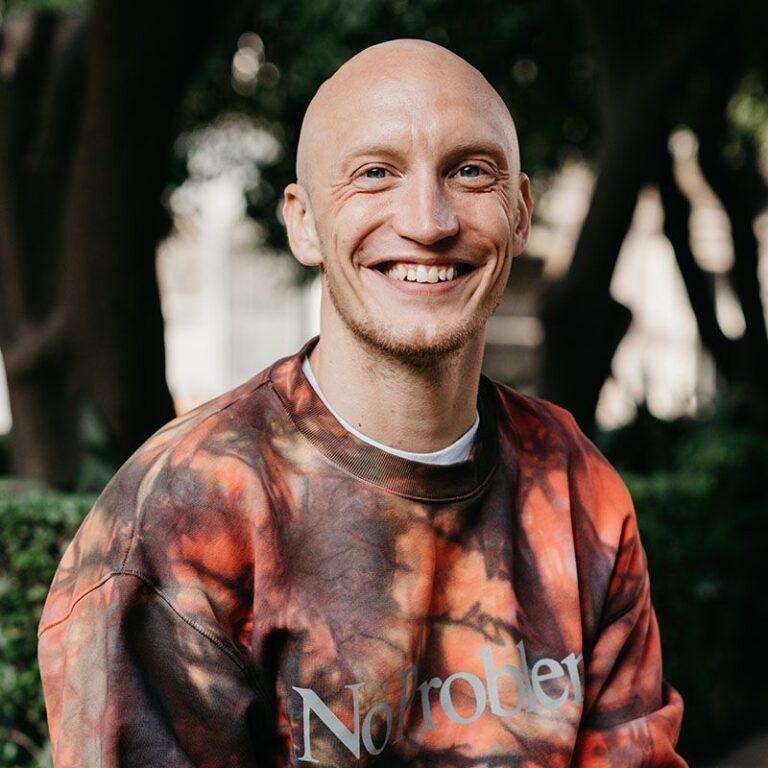
Sampsa Vainio on AI, human service and SME marketing
Sampsa Vainio is an entrepreneur at Digily Oy, which provides online marketing for SMEs. The conversation looks at where AI saves production time, why client communication remains human, and how clearer measurement and websites can help businesses show up in AI-assisted search.
Use AI for research, drafts and reporting, but keep client communication and final judgment human. Vainio advises making services and prices clear online and fixing measurement before optimizing for AI-assisted discovery.
What’s the quick origin story of your business, and what makes what you do genuinely different from the other options your customers are looking at?
I started my business in 2014, the same year I finished my master’s in information systems. I’d already been building websites and doing marketing for startups during my studies, and my first client came straight out of that work.
Twelve years and more than 250 client engagements later, it’s still one person doing everything: strategy, execution and reporting. That’s the real difference. With an agency, the person who sells to you is rarely the person who does the work. With me, the person on the first call is the same person who sets up the tracking and writes the ads.
The other difference is technical depth. Many marketers stop at campaigns; I go down to measurement, making sure the data a client makes decisions on actually holds up. And my prices are public. Clients should know what they’re paying for before the first call.
Where does most of your new business come from today, and where do you wish it came from?
Mostly from three places. First, recommendations and word of mouth: clients who’ve worked with me tell other business owners. Second, my own website through Google search. Third, I run several other websites of my own, and they bring me leads too.
I don’t spend money advertising my own business, which is a slightly awkward thing to admit as someone who runs ad campaigns for clients. But it’s the best proof I have that the work compounds over time.
Where I’d like more to come from is AI assistants. When someone asks ChatGPT who can help with their marketing, I want my name to be in the answer, and that’s something you can work towards now.
What’s one thing you’ve actually handed over to AI in the last year, and one thing you tried it on and went back to doing the human way?
I’ve handed over a lot of content creation and reporting. AI does the research, first drafts and the heavy lifting in reports, and I review, edit and decide. That’s freed up hours every week that used to go into production rather than thinking.
What I keep in my own hands is communication. I don’t let AI write my emails to clients. People hire me because they want to work with a person, and the way I talk to them is a big part of that. A client can tell when a message was written for them and when it was generated, and that personal touch is worth more than the time I’d save.
Have you noticed a change in how customers find you or what they already know before they reach out? Is anyone arriving through AI assistants like ChatGPT yet?
Yes. Visitors from ChatGPT, Claude and Gemini already show up in my analytics, and some of them have converted on my site. The real number is higher than any analytics tool shows: visits from AI assistants often arrive without a referrer and get counted as direct traffic, so most businesses are underestimating this channel.
The bigger change is what people know before they reach out. Between my website, public pricing and whatever they’ve asked an AI assistant, many prospects arrive having already done their research. The first conversation is less about what I do and more about whether we’re a good fit.
If you were advising someone in your industry on all of this for the next 12 months, what would you tell them to actually do, and what would you tell them to ignore?
Do:
Make your website answer questions plainly enough that an AI assistant can quote you: clear service descriptions, real prices, a named person behind the business. AI search rewards the same clarity humans do.
Fix your measurement before you optimise anything. Most businesses I look at are making decisions on data that misses a big share of their visitors.
Own your channel. Audiences on rented platforms can disappear with one policy change.
Use AI for production, but keep your judgment and your voice human.
Ignore:
“SEO is dead” headlines. Search is changing shape, not disappearing.
Mass-produced AI content. Google explicitly penalises scaled, low-value content, and readers can tell.
Every new tool launch. Pick a few, learn them properly, and check whether they move a number you actually care about.
Thank you to Sampsa Vainio and the team at Digily Oy for sharing what actually worked with Leaders Perception readers.
Want to share your playbook?
Leaders Perception publishes founder and operator interviews every week. A few questions, about five minutes, no calls. It is free and everyone we accept gets published.