
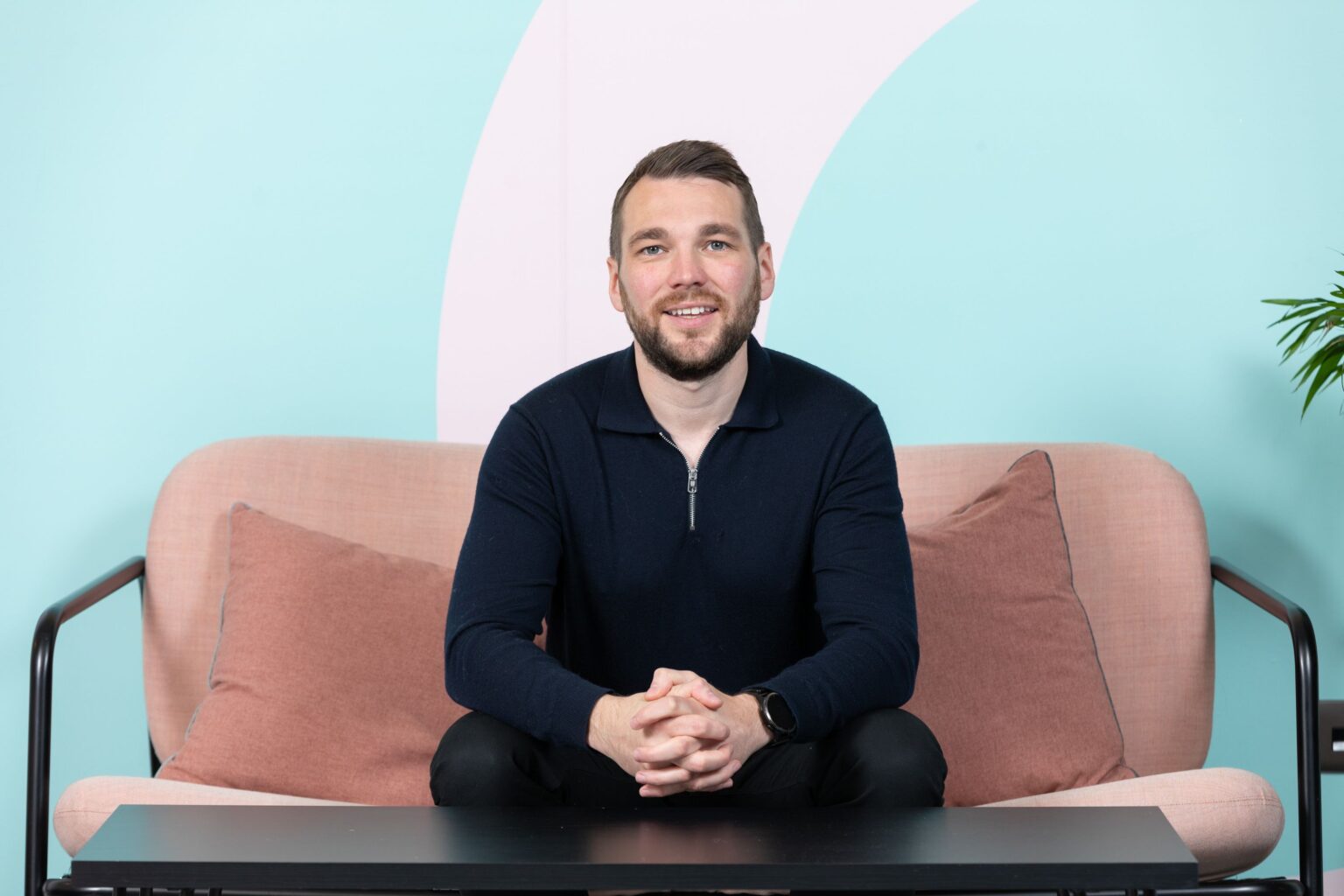
Robert Illidge on AI discovery and Vulse’s customer acquisition
Robert Illidge is founder of Vulse, an employee advocacy platform that helps B2B teams create, schedule and measure content shared by employees on LinkedIn. The conversation looks at how AI is shaping Vulse’s marketing and discovery, and why demos and thought leadership remain human-led.
For Vulse, AI assistants are becoming a major discovery route, with prospects often arriving having already compared options. Illidge’s practical dividing line is to automate research and repetitive work while keeping thought leadership and customer conversations grounded in human experience.
What’s the quick origin story of your business, and what makes what you do genuinely different from the other options your customers are looking at?
I’ve spent around 18 years working in social media, including running my own agency and working with brands like Disney and the BBC. One thing became increasingly obvious to me that businesses were investing heavily in their company social media channels while overlooking their people.
We built Vulse to help businesses turn their employees into credible voices on LinkedIn, combining content creation, employee advocacy, social selling and analytics.
Our biggest differentiator is our relationship with LinkedIn and the depth of data we can access through its official APIs. We can measure activity across individual profiles, including content published directly on LinkedIn, giving businesses a much clearer picture of what’s actually working.
We’ve also spent years developing our own tone-of-voice technology, helping people create content that sounds like them. We’re combining technology, data and human authenticity to help businesses grow through their people.
Where does most of your new business come from today, and where do you wish it came from?
We’re seeing a significant increase in organic leads from organic search and AI discovery, which of course requires little to no marketing budget.
We’ve invested heavily in making Vulse discoverable through educational content, industry research, comparison pages, and customer reviews.
What’s particularly interesting is how much of that discovery is shifting towards AI assistants like ChatGPT. Our marketing and outreach processes are now heavily automated, which means I can spend more of my time speaking directly with prospective customers.
Ideally, I’d like to see even more growth through partnerships, referrals, and organic recommendations. When someone independently recommends your product because they’ve had a great experience, that’s incredibly valuable.
My goal is to build a business where our product, reputation, and content do much of the selling before someone even books a demo.
What’s one thing you’ve actually handed over to AI in the last year, and one thing you tried it on and went back to doing the human way?
Content research and marketing production have been supported by AI, and allows us to do more with less.
We use AI to research topics, identify opportunities, develop content briefs, and support the creation of SEO-focused articles. It’s helped us achieve a level of marketing output that would traditionally require a much larger team.
Where AI is useful, I still prefer a human approach to thought leadership.
For example, AI can produce a perfectly structured LinkedIn post in seconds, but the most interesting content usually comes from lived experience, personal opinions, and real conversations. I want the technology to handle the research, structure, and repetitive work while I contribute the actual perspective.
It’s the same with sales. We’ve automated much of our outreach and proposal process, but I still lead our product demos myself. I think that’s the sweet spot for AI. Give it the repetitive work and spend the time you’ve saved on the relationships and decisions that matter.
Have you noticed a change in how customers find you or what they already know before they reach out? Is anyone arriving through AI assistants like ChatGPT yet?
It’s probably one of the biggest changes I’ve seen in how people discover software.
We’re seeing a significant increase in prospects finding Vulse through ChatGPT and other AI assistants. In fact, around 90% of our recent demo enquiries appear to be coming through LLM-led discovery.
What’s fascinating is how informed those prospects are. Previously, someone might find us through Google, browse a few pages and book a call to understand what we do.
Now, they’re arriving having already researched the market, compared competitors, looked at reviews, and developed a shortlist.
We’re often being considered before we’ve had any direct contact with the customer, which changes the way we approach marketing. We ensure that our website answers real buyer questions, your product information needs to be clear, and your reputation across independent sources becomes incredibly important.
We’ve been investing heavily in this, and we’re already seeing the results.
If you were advising someone in your industry on all of this for the next 12 months, what would you tell them to actually do, and what would you tell them to ignore?
My advice would be to start treating AI discovery as a long-term customer acquisition channel.
Look at the questions your customers are asking ChatGPT and other assistants. Are you appearing in the answers? Are competitors being recommended ahead of you? And what information are those recommendations based on?
Publish useful content, share original research, collect independent customer reviews, and make it easy for people and AI assistants to understand exactly what you do and who you help.
I’d also encourage businesses to automate repetitive tasks wherever possible. We’re a very small team competing internationally with much larger businesses, and AI has made that increasingly achievable.
As for what to ignore, I’d say the constant pressure to adopt every new AI tool. There will always be another platform, model or feature promising to transform your business.
Focus on the technology that genuinely saves time, improves your product, or generates revenue. And keep investing in people. As more content and processes become automated, genuine expertise, relationships, and personal credibility are going to become even more valuable.
Thank you to Robert Illidge and the team at Vulse for sharing what actually worked with Leaders Perception readers.
Want to share your playbook?
Leaders Perception publishes founder and operator interviews every week. A few questions, about five minutes, no calls. It is free and everyone we accept gets published.