
The software industry is undergoing a massive change in how it delivers value to users. Traditional one-time sales are fading away as companies move toward cloud-based subscriptions. This modern business approach allows firms to provide constant updates and better support.
Entrepreneurs and investors love this model because it creates a very predictable path for growth. It replaces risky, irregular sales with steady revenue that flows in every month. Adopting a saas framework helps a business scale faster while keeping customers happy over the long term.
This guide serves as a complete resource for anyone looking to master digital delivery. We will explore how modern software tools help companies stay competitive in a crowded market. You will find the strategies needed to build a successful and lasting business today.
Key Takeaways
- Subscriptions provide a predictable and steady cash flow for companies.
- Cloud delivery allows for continuous updates and instant value for users.
- Investors prefer this business type due to its high scalability.
- Customer retention becomes the main driver of long-term success.
- Lower entry costs help more users access powerful digital tools.
- Lower churn rates are essential for maintaining healthy growth.
What Makes the SaaS Business Model Revolutionary
The revolution of the saas business model lies in how it perfectly aligns the interests of users, developers, and owners. This approach moves away from one-time licenses toward a subscription service that lives in the cloud. It fundamentally restructures how businesses operate and grow in a digital economy.
Customers embrace this model because it simply works without the need for complex local installations. They no longer worry about hardware maintenance or tedious manual updates. Instead, they enjoy reliability and uptime percentages that typical IT departments cannot match alone.
Developers also find this method superior because of the continuous delivery software cycle. They can push critical updates to all users at once on their own managed infrastructure. This eliminates the technical nightmare of supporting thousands of different system configurations for various companies.
“The transition to subscription models isn’t just about billing; it is about building a long-term relationship with every customer.”
Investors and entrepreneurs love saas because the economics are incredibly attractive compared to old methods. Predictable recurring revenue allows for accurate forecasting and long-term strategic planning. This business model enables fast-growing software firms to trade future earnings for capital to fund aggressive expansion.
Understanding these mechanics helps founders make better product decisions early on. It allows them to anticipate problems months before they happen. By mastering this framework, leaders can communicate more effectively with stakeholders and scale their ventures with confidence.
| Feature | Traditional Licensing | SaaS Revolution |
|---|---|---|
| Delivery Method | Physical Disks or Local Installs | Cloud-Based Access |
| Payment Structure | Large Upfront Capital Expense | Predictable Monthly Subscription |
| Update Frequency | Occasional Manual Upgrades | Continuous Automatic Delivery |
| Revenue Type | One-Time Transactional | Stable Recurring Revenue |
SaaS Business Model Explained Simply
At its heart, the saas business model explained simply is all about accessing software through the internet rather than buying it on a disc. This framework allows companies to host applications on their own servers while users connect via a web browser. It turns a one-time purchase into a continuous utility that stays updated automatically.
Businesses no longer need to install complex programs on every individual computer in the office. Instead, they log into a central hub to get the tools they need to work. This shift has fundamentally changed how we interact with digital products in the modern workplace.
The Core Concept of Software as a Service
The primary premise of this business model is that the vendor manages everything behind the scenes. They handle the servers, the code, and the security protocols required to keep the system running. This means the customer can focus entirely on using the software to grow their own business.
Since the application lives in the cloud, users can access their data from any device with an internet connection. This flexibility is incredibly attractive as a service for remote teams and global companies. You no longer need a dedicated IT room filled with expensive hardware to run high-end tools.
Cloud-Based Delivery and Subscription Pricing
A saas business model thrives on a subscription revenue stream rather than one-off sales. Users typically pay a monthly or annual fee to maintain their access to the product. This provides the saas provider with predictable income, often referred to as Monthly Recurring Revenue (MRR).
The cloud delivery model ensures that every user always has the most recent version of the app. Developers push updates to the central server, and those changes appear instantly for everyone. This eliminates the headache of manual patches or version conflicts between different team members.
How SaaS Differs from Traditional Software Licensing
In the past, buying software meant paying a large upfront cost for a perpetual license. You owned that specific version forever, but you had to pay again for any major upgrades. This required significant capital and created a heavy burden on internal IT staff for maintenance.
The modern saas approach replaces those high initial costs with manageable operational expenses. Because the service provider manages the infrastructure, the customer avoids the need for on-site servers. This democratization of technology allows even small startups to use the same powerful tools as massive corporations.
| Feature | Traditional Software | SaaS Model |
|---|---|---|
| Payment Structure | Large Upfront License Fee | Recurring Monthly Subscription |
| Installation | Local Hard Drive/Server | Web Browser Access |
| Updates | Manual/Paid Upgrades | Automatic & Instant |
| Infrastructure | Customer Managed | Provider Managed |
Why SaaS Is Dominating the Software Industry
Software as a Service is taking over the digital world because it offers a triple win for everyone involved. This shift has changed the saas business landscape by delivering superior value to users and creators alike. It creates a powerful cycle where every participant gains something significant.
The transition from local installs to cloud-based software reflects a massive change in modern business operations. This model has become the standard across nearly every industry today. It provides a level of efficiency that traditional licensing simply cannot match.
Customer Benefits: Accessibility and Reliability
Users can now access their tools from any device with an internet connection. This flexibility removes the need for powerful hardware or complex local setups. It makes high-end tools available to businesses of all sizes without requiring a massive upfront investment.
Hardware failures and operational errors do not result in data loss in the cloud. Professional teams manage the servers, achieving availability numbers that beat almost every internal IT department. The customer enjoys peace of mind knowing their work is always safe and accessible.
The model also appears less expensive to the average customer. Paying a small monthly fee is often easier to manage than a large one-time purchase. This lower barrier to entry helps people test new tools without financial risk.
Developer Advantages: Continuous Delivery Model
Developers love the saas business model because they control the environment where their code runs. In the past, they had to support countless different computer setups. This lack of control was a major source of friction and endless support cases.
“The shift to SaaS is not just a change in technology, but a fundamental shift in how we create and consume value.”
Today, a company can push updates instantly to every user at once. This continuous delivery model can reduce support requests by ten times compared to installable versions. Teams can fix bugs immediately and use real-time data to improve the product.
The ability to iterate rapidly is a game-changer for the development cycle. Instead of waiting for yearly updates, the product evolves every single week. This constant improvement keeps the customer engaged and satisfied over the long term.
Business and Investor Appeal: Predictable Revenue
Investors find companies in this space very attractive because of their predictable revenue. Stable monthly subscriptions allow for much more accurate financial forecasting. This stability often leads to higher valuations compared to traditional firms.
Predictable cash flow allows a saas business to fund aggressive growth by trading future earnings for present capital. It creates a sustainable path for expansion that is easy to measure. Leaders can reinvest in the business with a high degree of confidence.
This combination of user satisfaction, developer ease, and investor interest drives the industry forward. It is the primary reason why subscription models now define the modern tech world.
| Stakeholder | Primary Benefit | Key Outcome |
|---|---|---|
| Users | High Accessibility | Lower Barrier to Entry |
| Developers | Single Environment | 10x Fewer Support Tickets |
| Investors | Predictable Cash Flow | Higher Market Valuations |
Understanding Low-Touch and High-Touch SaaS Sales Models
Success in the saas business often depends on aligning your product with the right sales architecture. There are broadly two ways to sell software, and your choice dictates almost everything else about your operations. One classic mistake is a mismatch between your market and your selected model, which can take years to correct.
Founders must decide early if they want to focus on high volume or high value. This decision influences your hiring, your marketing budget, and your development roadmap. It is vital to understand how these paths differ before scaling.
Self-Service and Automation
Low-touch models are designed for customers to purchase without any sustained one-on-one human interaction. These companies use websites, email marketing, and free trials that are aggressively optimized to be low-friction. The goal is to let the user discover the value on their own.
Characteristics of Low-Touch Sales
These products often involve a customer success team focused on ensuring trial users successfully onboard and convert. Instead of cold calling, the focus is on product-led growth and automated sequences. This approach allows for massive scale without a proportional increase in headcount.
Typical Price Points and Customer Base
The pricing usually clusters around $10 for B2C users and $20 to $500 for B2B accounts. This model targets a broad customer base to reach an annual contract value of approximately $100 to $5,000. Basecamp and Atlassian are the paradigmatic examples of this highly scalable saas business structure.
Enterprise-Level Sales
High-touch saas is built around human-intensive processes to convince a large business to adopt new software. In this environment, a specialized department acts as the beating heart of the revenue engine. It is a world where relationships and customized solutions matter more than automated clicks.
“In the world of enterprise software, the complexity of the sale must match the complexity of the problem being solved.”
The Role of Sales Teams
The team typically includes Sales Development Representatives, Account Executives, and Account Managers. These professionals guide enterprise customers through complex evaluations, security reviews, and implementations. This hands-on approach ensures that the software integrates perfectly with the client’s existing workflow.
Enterprise Deal Structures and ACVs
High-touch pricing for a small business usually starts between $6,000 and $15,000. However, enterprise deals often reach six or seven figures with no ceiling based on the subscription base. Salesforce is the most famous example of a business that mastered this high-touch sales approach to dominate the market.
| Feature | Low-Touch | High-Touch |
|---|---|---|
| Primary Strategy | Self-Service Automation | Human-Intensive Interaction |
| Typical ACV | $100 – $5,000 | $6,000 – $1,000,000+ |
| Revenue Engine | Marketing & Product | Sales Professionals |
| Ideal For | Individual customers | Large Enterprises |
The Fundamental Equation of SaaS Success
The SaaS model turns software into a financial instrument with predictable cash flow. This transformation allows owners to forecast growth using a core equation that guides every strategic decision. High-school math provides the foundation for this logic.
We can define the formula where revenue equals the sum of acquisition times conversion times ARPU divided by churn. This calculation serves as a map for scaling a company. It simplifies complex operations into clear, manageable numbers.
Breaking Down the SaaS Revenue Formula
Acquisition represents your ability to attract potential users through marketing or SEO. It measures how many prospects enter your sales funnel each month. Without a steady stream of attention, the rest of the formula cannot function.
The conversion rate determines what percentage of those prospects become paying customers. Improving product quality or the initial signup experience usually boosts this number. It is the bridge between a simple visitor and a dedicated user.
Finally, Average Revenue Per User (ARPU) tracks the specific dollar amount each customer pays. You can increase this value through smart pricing or premium feature tiers. This component ensures you maximize the return on every active account.
Calculating Customer Lifetime Value
The lifetime value of a user is the total money they generate before they cancel. You calculate this by taking the inverse of your churn. This metric tells you exactly how much you can afford to spend on marketing.
If a business loses 5% of its customers monthly, the expected customer lifetime is 20 months. A user paying $30 monthly would then have a lifetime value of $600. This math helps you see the long-term impact of keeping customers happy.
| Metric Component | Business Impact | Growth Strategy |
|---|---|---|
| Acquisition | Top-of-funnel volume | SEO and Content |
| Conversion | Sales efficiency | User Experience |
| Churn | Retention length | Customer Success |
Reducing cancellations is the most powerful way to extend these relationships. Even a small drop in the loss of users creates a huge spike in total revenue. It is often cheaper to keep an old user than to find a new one.
The Multiplicative Power of Improvements
Improvements in a saas company are multiplicatively effective rather than just additive. This compounding effect is why small optimizations lead to massive results over time. Every gain in one area boosts the effectiveness of all others.
For example, a 10% boost in acquisition and a 10% gain in conversion yields 21% growth. Because you multiply 1.1 by 1.1, the total revenue surpasses simple addition. These gains stack to build a much stronger foundation for the company.
This math shows why this model is so attractive to modern investors. Every small win across the business compounds to transform the final value. Focusing on these variables ensures sustainable and predictable scaling.
The Three Critical Phases Every SaaS Business Experiences
The journey of every saas business follows a predictable path through three critical lifecycle phases. Many founders face what experts call the “Long, Slow SaaS Ramp of Death.” This refers to the extended time spent dialing in the business before it generates real momentum.
Understanding these stages helps entrepreneurs prepare for the specific hurdles of the subscription economy. Success requires different strategies as you move from building to scaling and finally to stability. Each step in the business lifecycle tests the resilience of the founding team and the flexibility of the software itself.
Startup Phase: Building Your First Product
During this initial stage, the company focuses on building a minimum viable product. The goal is to validate the core concept and acquire those first few paying customers. You must prove that your solution solves a real problem that people will pay for repeatedly.
Bootstrapped businesses often take about 18 months before they become profitable enough to pay fair wages. This time involves constant iteration on marketing and sales approaches to see what actually works. It is a period of high effort and low financial reward for the saas business.
Hypergrowth Phase: The Make-or-Break Period
If the market likes what you built, you enter a stage of intense growth. This period is dangerous because it often costs more money than it brings in at first. You must rapidly expand data storage and bandwidth to support new customers effectively.
Many promising saas ventures fail here because they cannot manage the technical demands of the business. Scaling the team and the infrastructure requires significant capital and operational discipline. Success depends on the company surviving this “burn rate” scenario until the revenue eventually catches up.
Stable Golden Goose Phase: Sustainable Profitability
The final stage occurs when the business levels out and turns a healthy profit. At this point, the subscription model truly shines as a sustainable source of income. New customer acquisition no longer tests the limits of your infrastructure like it did during the expansion years.
| Phase Name | Primary Goal | Infrastructure Need | Financial Status |
|---|---|---|---|
| Startup | Concept Validation | Minimal | Investment/Loss |
| Hypergrowth | Market Capture | High Scaling | High Burn Rate |
| Golden Goose | Maximize Profit | Stable Support | Positive Cash Flow |
Sustainable profitability allows the team to focus on optimization rather than just survival. Unit economics are proven, and the growth is consistent and manageable for the long term. The saas business becomes a reliable asset that generates positive cash flow month after month.
Essential SaaS Metrics You Must Track
Measuring performance in a subscription-based world involves a unique set of indicators that go beyond traditional accounting. You need these metrics to understand your business health and speak clearly to investors. Without accurate data, making informed decisions becomes nearly impossible.
Every leader must look past simple bank balances to see the underlying trends in their organization. These numbers reveal if your growth is sustainable or if you are burning through cash too quickly. Tracking these details helps you adjust your strategy before small problems become disasters.
Monthly Recurring Revenue and Annual Recurring Revenue
Monthly recurring revenue (MRR) and its yearly counterpart, ARR, represent the lifeblood of any saas company. These figures measure the total predictable revenue you expect to receive from your active users. They allow you to forecast future cash flow with high confidence.
Unfortunately, many teams struggle with accurate reporting. One in five companies incorrectly reports expenses when calculating their monthly recurring totals. Even worse, two in five businesses mistakenly include trial or free users in their recurring revenue counts.
You must differentiate between monthly, quarterly, and annual payment cycles to maintain a clean subscription record. Failing to do so can lead to misleading growth projections that confuse stakeholders. Consistency is the key to reliable financial planning.
Customer Acquisition Cost
The customer acquisition cost (CAC) is the total amount spent on sales and marketing to gain a single new user. You calculate this by dividing your total acquisition expenses by the number of new customers gained in that period. Finding the right balance here is critical for your business growth.
Being too conservative with your spending can lead to missed opportunities and lost market share. However, being too reckless with your budget results in low profitability and a dangerous burn rate. Most successful companies aim for a CAC that allows for payback within twelve months.
| Metric Type | Primary Focus | Reporting Frequency |
|---|---|---|
| MRR | Predictable Monthly Income | Monthly |
| ARR | Annualized Income Run Rate | Annual |
| CAC | Marketing Efficiency | Quarterly |
Churn Rate: Your Business’s Biggest Enemy
The churn rate measures the percentage of users who cancel their service over a specific time. This single number can be ruinous even if all your other metrics look healthy. It acts as a leaky bucket that drains your growth potential.
“In the world of recurring revenue, your biggest risk isn’t the customers you haven’t won yet, but the ones you are currently losing.”
At the last count, public companies used 43 different ways to account for churn. Because it compounds over time, a high churn can devastate your long-term success. You must define this figure consistently across your organization to ensure everyone is working toward the same goal.
Retention Rate and Customer Loyalty
Your retention rate is the inverse of your churn rate and shows how well you keep people. It is vital to track both the customer count and MRR retention in tandem. Losing a few high-value accounts hurts the business more than losing many low-value ones.
- Net Revenue Retention: Measures how much revenue grows within your existing base.
- Logo Retention: Tracks the percentage of individual clients who remain active.
- Cohort Analysis: Helps identify which groups of users stay the longest.
These numbers reflect the quality of your product, marketing, and customer service efforts. High loyalty directly leads to sustainable profitability and a stronger brand. By focusing on these numbers, you ensure your recurring revenue stays on an upward trajectory.
Nine Successful SaaS Business Examples
The digital landscape is filled with various saas companies that have redefined how modern business operates today. These examples showcase the massive potential of the subscription model across many different industries. Each saas company featured here proves that a recurring service can lead to global dominance.
Salesforce
Salesforce became a successful saas pioneer when it launched in 1999. It helps companies manage sales teams and process prospects effectively through the cloud. It serves as a paradigm for what most software founders wish to achieve.
Shopify
Shopify provides an ecommerce platform that allows business owners to create stores without coding knowledge. It generated over $1 billion in 2018 and has grown to 4.4 million active merchants. It has democratized the digital market for sellers everywhere.
Wistia
Wistia provides specialized video-hosting for companies across 50 countries. Since 2006, it has grown to serve over 300,000 customers. It demonstrates how focusing on a specific niche leads to long-term success.
Zendesk
Zendesk is a customer service ticketing system famous for its incredible usability. It serves saas companies of all sizes, from small startups to major enterprises. The product solves a universal problem by keeping support requests organized.
Basecamp
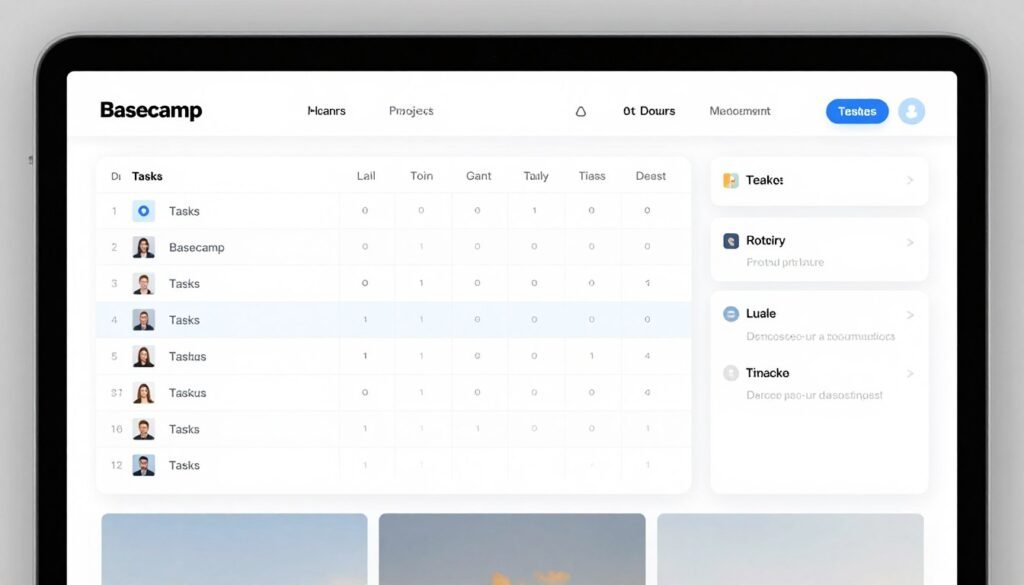
Basecamp is a classic example of a low-touch saas business. It offers simple project management software with very transparent pricing and minimal sales involvement. It builds a sustainable revenue stream through simplicity and clear value.
Atlassian

Atlassian is arguably the most successful publicly traded saas company with a low-touch model. It created popular tools like Jira and Trello that companies use daily. These products scale because they focus on high-quality developer tools.
Chorus.ai

Chorus.ai is a leading conversation intelligence platform for sales teams. It uses AI to record and analyze sales calls to provide better data. Top brands like Zoom and Adobe rely on this tool to improve performance.
Clearbit
Clearbit creates products and data APIs that provide insights throughout the customer lifecycle. It is recognized as one of the fastest-rising saas companies in the industry. It helps brands understand their customers with much deeper precision.
UiPath

UiPath leads the market in robotic process automation with yearly revenue exceeding $300 million. It recently ranked first in the Deloitte Technology Fast 500 list. This business shows how automation can scale rapidly in the corporate world.
Key Advantages of the SaaS Business Model
The move to cloud services creates powerful ways to fuel sustainable growth for modern companies. This saas business model attracts entrepreneurs because it offers predictable results and long-term stability. It moves away from risky one-time sales toward a reliable framework for any modern business.
Recurring Revenue Streams
The primary benefit of this model is the generation of recurring revenue. Instead of chasing new sales every month, a subscription strategy creates a steady stream of predictable income. This visibility allows leaders to forecast cash flows with high accuracy.
When a business can predict its revenue, it can invest more confidently in future development. These reliable projections often lead to higher valuations from investors. Strategic planning becomes easier when you know exactly what your monthly earnings will look like.
Customer Loyalty and Retention
In this landscape, each customer becomes more like a member of a service. The beauty of saas is that users often become deeply loyal when a product becomes vital to their daily operations. For instance, customers using Zendesk for support are unlikely to switch to a competitor.
Changing tools would disrupt their internal workflows and require extensive team training. This deep integration creates powerful switching costs that lock in long-term relationships. Consequently, customers tend to stay for years, compounding the total value of each account.
“The subscription economy creates a virtuous cycle of growth where the cost of serving the next user approaches zero.”
Scalability and Low Marginal Costs
Another major win for the saas business model is its incredible scalability. Once you build the core infrastructure, the cost to serve an additional customer is extremely low. Most companies spend less than 10% of marginal revenue on delivering the software service.
This allows for rapid growth without a proportional increase in expenses. Unlike traditional services that require more staff for more clients, you can replicate software instantly. This efficiency leads to high gross margins and sustainable profitability over time.
| Feature | SaaS Model | Traditional Model |
|---|---|---|
| Income Type | Recurring Revenue | One-time Sale |
| Marginal Cost | Very Low (5-10%) | High/Variable |
| User Relationship | Long-term Subscription | Transactional |
The ability to scale quickly while keeping costs low is why this business framework remains so popular. When customers find value in the service, the entire organization benefits from a compounding effect. This creates a rock-solid foundation for any tech-focused business today.
Challenges and Drawbacks of the SaaS Model
Despite the allure of recurring payments, the path to a profitable SaaS venture is filled with steep challenges. This business model demands a balanced perspective. Entrepreneurs must prepare for significant hurdles before their saas business becomes a sustainable success.
High Initial Capital Requirements
Launching a company in this space requires a massive upfront investment. You must hire skilled developers, programmers, and UI designers to create a product. These front-loaded costs represent a primary barrier for many startups trying to build user-friendly software.
Once you have a handful of customers, you often find yourself reinvesting all profits back into the business. You must scale infrastructure, maintain security, and manage teams during hypergrowth. This creates a funding paradox where you need significant capital long before you see a real return.
The Long Slow SaaS Ramp of Death
Many founders underestimate the time it takes to reach profitability. The “Long Slow SaaS Ramp of Death” refers to the period spent iterating on product-market fit. This phase can easily last 18 to 24 months or more while you refine your model.
Marketing and sales costs occur immediately. However, the revenue to pay for them trickles in slowly over many months. This creates negative cash flow that can sink a company without enough patient capital. Founders need immense resilience to survive this extended investment period.
| Challenge Type | SaaS Impact | Financial Result |
|---|---|---|
| Acquisition Cost | Paid Upfront | Negative Cash Flow |
| Infrastructure | Continuous Scaling | High Reinvestment |
| Market Fit | Slow Iteration | Delayed Profitability |
Complexity in Valuation and Sale
Selling a saas entity is often more difficult than selling a standard e-commerce business. The pool of prospective buyers is narrow because they usually need technical knowledge or a dedicated dev team. This complexity can limit the potential exit for smaller founders who lack coding expertise.
“SaaS is a game of patience where the biggest costs are paid upfront, but the rewards are delayed by design.”
A buyer must understand churn dynamics and technical infrastructure to see the value. Unlike simpler models, the saas exit process requires a sophisticated analysis of metrics. This makes the growth and sale of the business a high-stakes endeavor for everyone involved.
Proven Growth Strategies for SaaS Businesses
To drive sustainable growth, SaaS businesses must diversify their approach to customer acquisition and retention. Scaling a software business requires more than just a great product; it needs a repeatable strategy that lowers costs over time. Many successful businesses focus on systems that compound, allowing them to expand without doubling their workload.
Increasing Organic Traffic Through SEO
Organic search traffic from Google and Bing often provides the highest conversion rates for saas businesses. You can use tools like SEMRush to identify your current rankings and find “low-hanging fruit.” Focus on optimizing landing pages that currently rank on the second or third page of search results.

By updating content to better match user intent, you can push these pages to the top spot. This marketing effort creates a long-term stream of customers without the high cost of paid ads. Always prioritize high-quality information that solves a specific problem for your audience.
Introducing New Marketing Channels
When you test a new marketing strategy, you should set clear traction goals from the start. It is vital to invest enough resources to reach statistically significant numbers before deciding if a channel works. This prevents you from quitting a potentially lucrative source too early.
YouTube is an excellent secondary channel because it is the world’s second-largest search engine. You can repurpose your best blog posts into video tutorials or reviews to reach new customers. This helps build trust and shows your service in action before a user signs up.
Adding Product Upsells and Premium Tiers
Selling more to your existing user base is one of the fastest ways to increase revenue. You might offer higher-end packages that include advanced features or expanded data storage. These product upsells provide more value to power users who have outgrown your basic plan.
| Upsell Type | Benefit | Implementation |
|---|---|---|
| Premium Features | Higher Value | Unlock advanced tools |
| Usage Limits | Scalable Revenue | Increase data storage |
| White-Glove Service | Customer Loyalty | Priority support access |
Always consider the internal costs of providing these extras when you set your pricing. Additionally, improving software speed by removing bad code can improve satisfaction and reduce server costs. A faster saas platform naturally encourages users to stay longer and upgrade their accounts.
“Growth is never by mere chance; it is the result of forces working together.”
Launching Affiliate Programs for Expansion
An affiliate program can act as a powerful engine for growth by leveraging other people’s audiences. Skilled affiliates promote your business in exchange for a commission, often through a residual income model. This marketing tactic works best when your lifetime value numbers are stable enough to support attractive payouts.
Essential Tools and Resources for SaaS Growth
To scale effectively, modern software companies must leverage specific platforms that automate complex administrative and analytical tasks. These tools help a saas business streamline its workflow and focus on its core value proposition for users.
Recurring Billing and Payment Software
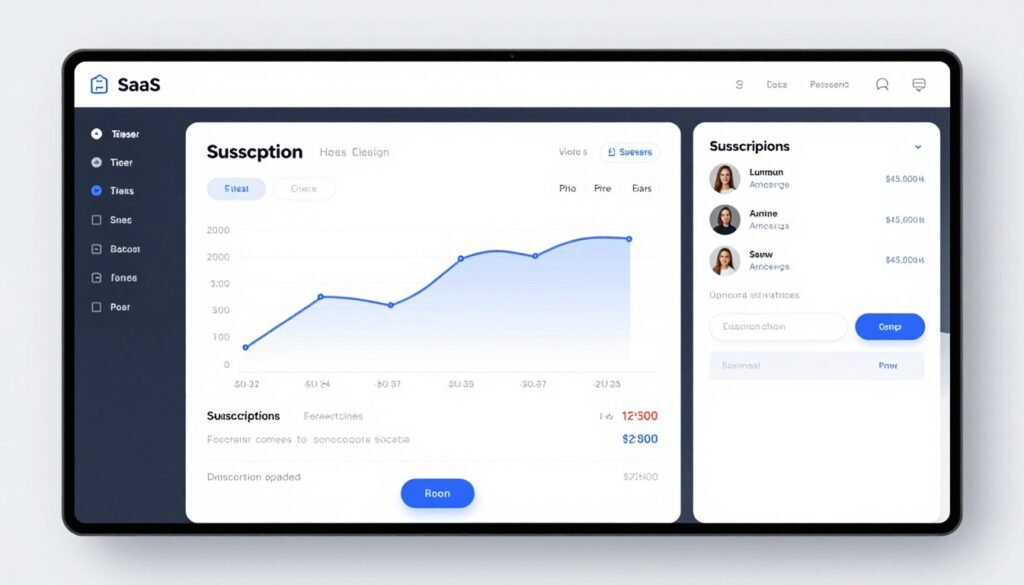
Every saas relies on a solid foundation of recurring billing. You cannot scale without a tool that manages a subscription lifecycle and automates invoicing efficiently.
Many businesses also integrate tax software to handle global VAT and GST compliance. This ensures your revenue collection remains accurate across different borders without manual errors.
Merchants of record provide a simplified way to manage global sales without managing multiple tax entities. These platforms handle the burden of liability and financial record-keeping for your team.
Analytics and Data Tracking Tools
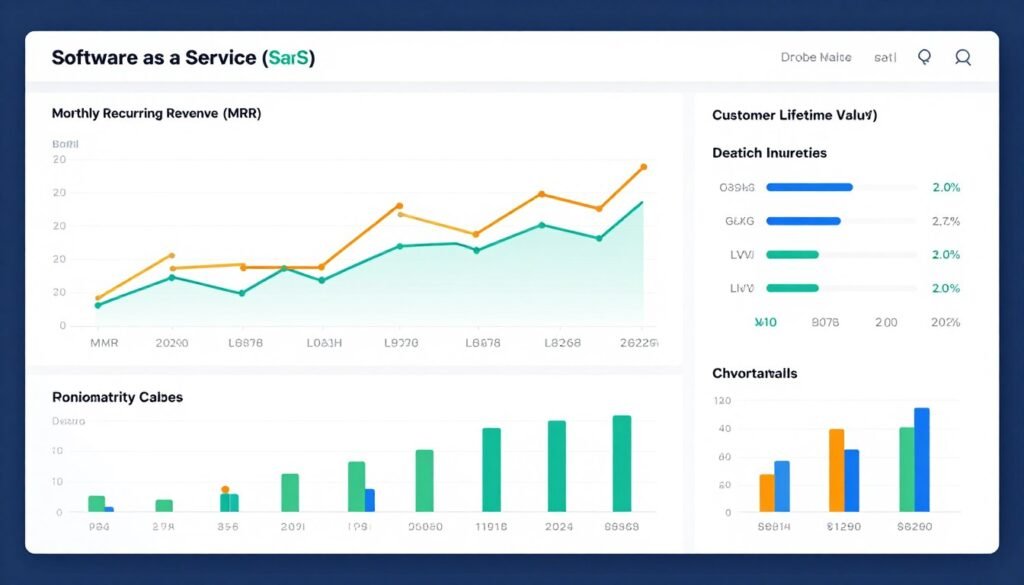
To achieve sustainable growth, you must understand your data. Analytics tools provide deep insight into which features drive a subscription and which cause churn.
By tracking specific metrics, you can identify high-value customer segments. These platforms turn raw data into actionable strategies that improve your bottom line and overall revenue.
High-quality data visualization makes it easier for teams to spot trends quickly. Accessing real-time data allows you to make fast pivots when market conditions change.
Customer Retention and Success Platforms
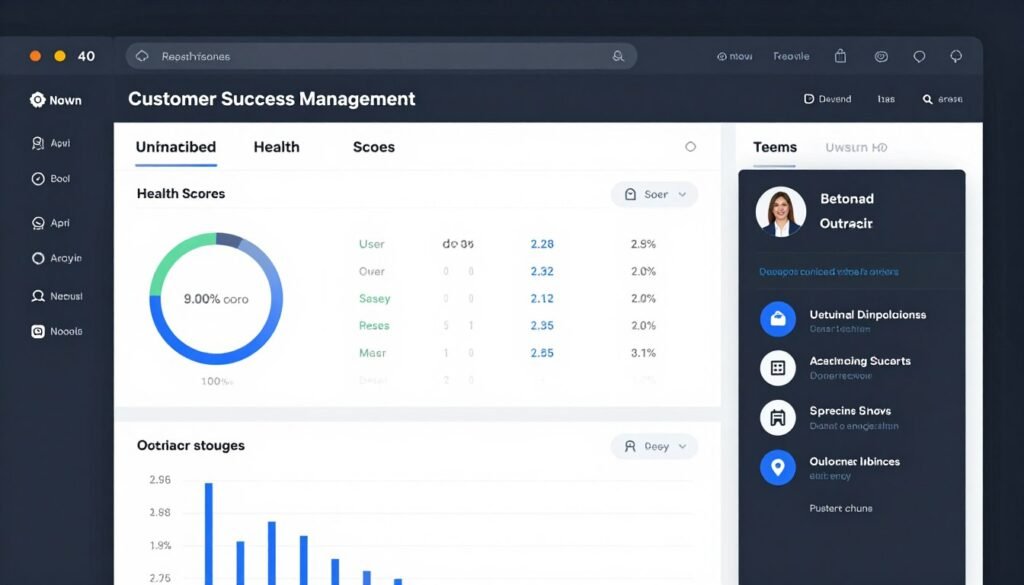
Reducing churn is the most effective way for businesses to increase lifetime value. Success platforms monitor customer health and alert your team when a user stops engaging with the product.
This proactive approach helps saas teams intervene before a cancellation occurs. Detailed information on usage patterns allows you to refine your onboarding and keep metrics trending upward.
Strong outreach strategies help you identify churn warning signs early. Maintaining high customer satisfaction is vital for a thriving saas business.
Conclusion
Embracing the saas business model requires a strategic shift in how companies deliver value and manage recurring revenue. This approach has become the most attractive business model for entrepreneurs because it transforms software into a continuous service. By moving away from one-time sales, a saas business creates a more predictable and scalable way to build a business.
Achieving long-term success means mastering the fundamental equation of acquisition and retention. You must constantly optimize how you find new customers and improve your conversion rates. With this model, every small improvement in your product leads to significant gains for the business.
Whether you choose a low-touch or high-touch sales model, your strategy must align with your customer base. Your saas must evolve to meet the unique needs of your users. Industry leaders like Salesforce reached success by refining their specific saas business model over time.
Building a stable business often demands patience through the Long, Slow SaaS Ramp of Death. This period tests your resolve as you balance high initial costs against slow revenue gains. You must prioritize meeting user needs while managing complex metrics like churn and lifetime value.
To build a healthy business, you must invest in the right billing and analytics tools. These systems help you track every dollar and understand customer behavior in real-time. This level of insight is what separates winning firms from those that struggle to survive.
Focusing on the saas business model is the best way to ensure a solid and loyal business foundation. Understanding this business model is essential for anyone building or investing in technology today. It provides a clear framework for delivering value over a long period.
By following these proven growth strategies, you can drive your saas toward lasting success. Using a stable model helps your business scale effectively in a competitive market. Relentless focus on the customer will always be your strongest competitive advantage.