
Juan Manuel Lemus Rangel is a Colombian entrepreneur who helped launch a startup that turns humidity into drinking water. The project, Apunajaa – Agua por la Guajira, focuses on delivering clean water to rural, arid communities in La Guajira.
The article explains who he is, what the team built, and why the technology matters. It previews the core idea in plain terms: solar power draws moisture from the air and makes safe water for villages.
This effort gained international recognition and media attention, boosting credibility and inviting partners and investors. The story fits a wider wave of pandemic-era social innovation across Latin America.
Readers in the United States will find a clear, practical explainer here that connects local impact to broader startup and sustainability trends.
Key Takeaways
- Who: A Colombian entrepreneur behind a clean-water startup.
- What: Technology that makes potable water from air using solar energy.
- Where: Focus on rural, dry regions—especially La Guajira.
- Why it matters: Fills critical water gaps and attracts global attention.
- Context: Part of post-pandemic social-impact innovation in Latin America.
- Opportunity: Opens doors for partners and investors seeking scalable solutions.
News snapshot: Why Juan Manuel Lemus Rangel is in the spotlight now
A clear link between community need and workable technology is putting this startup in the news. The project turns atmospheric humidity into drinking water using solar power and thermal batteries, a practical fit for off-grid villages.
The clean-water challenge in rural Colombia is simple and urgent. Arid conditions and gaps in centralized infrastructure leave many communities without reliable taps. Local options must be climate-resilient and easy to maintain.
The recognition angle
Coverage by MIT Technology Review and similar outlets acts as a credibility signal. A positive write-up in a major technology review raises awareness beyond Colombia and opens doors for pilots and partners.
Post-pandemic momentum has pushed funders and policymakers toward tangible climate solutions. Practical ideas that can be deployed now get more attention than distant research.
- This article is informational: it explains the founder, the tech, and forces shaping adoption.
- Early recognition can attract collaborators, pilots, and funding conversations that change the project’s trajectory.
Juan Manuel Lemus Rangel – Co-founder – Apunajaa
This founder combined technical testing with community feedback to shape a real service, not just a product.
Role at Apunajaa – Agua por la Guajira
manuel lemus led product vision and early pilots. He helped prove the concept in the field and set measurable targets for water output and uptime.
As a co-founder, he prioritized simple maintenance, local skills training, and service plans that build trust. Those elements make adoption more likely than a lone prototype.
Core mission aligned with UN Sustainable Development Goal 6
lemus rangel frames the work as Agua por la Guajira to tie a clear regional need to action. The mission aims for safe, reliable, affordable water—squarely within SDG 6.
- Practical focus: Systems that run off-grid and can be repaired locally.
- Measurable goals: Water volume, uptime, and community satisfaction.
Good leadership matters in water tech because long-term value depends on service and trust. The next section explains the technology mechanics and how deployment actually works in remote villages.
Apunajaa’s flagship innovation: solar-powered air-to-water technology
Simple physics, solar power, and smart controls combine to produce potable water from humidity. The system draws in moist air, cools it so water condenses, then runs that water through basic treatment to meet drinking standards.
How atmospheric humidity becomes potable water
The process is step-by-step: intake fans capture atmospheric humidity, a condenser cools the air so droplets form, and filters plus UV or chemical treatment make the water safe.
Why solar energy and thermal batteries matter
Solar panels power pumps and controls, so sites do not need a grid connection. Thermal batteries store heat to smooth output when sunlight dips, keeping production steady through clouds.
Practical meaning of an “air-to-water generator”
An air-to-water generator is a community-scale device—usable at a school, clinic, or shared tap. It is not a rainwater tank or a bottled-water substitute; it is a local source built for off-grid life.
- Durable hardware handles environment and wear.
- Software hardware—controls, sensors, and playbooks—make output predictable.
- Even limited internet connectivity helps remote monitoring while keeping core function offline-capable.
| Component | Function | Benefit | Typical Use |
|---|---|---|---|
| Condenser & Fans | Capture and cool humid air | Direct water extraction from atmospheric humidity | Community point |
| Solar Array | Power generation | Off-grid operation | Remote clinics, schools |
| Thermal Battery & Controls | Store energy as heat; manage production | Stable output during low sun | 24/7 availability |
Next: later sections will explain implementation, training, and how outcomes like uptime and water output are measured.
Recognition by MIT Technology Review: Innovators Under 35 LATAM
Lemus Rangel and the Agua por la Guajira project were honored in the Inventor category by MIT Technology Review’s Innovators Under 35 LATAM.
The award matters because the Inventor track highlights climate and infrastructure solutions with real-world impact. Selection is competitive and practical.
How winners are chosen
- More than 2,000 candidates across Latin America are reviewed.
- A 50-expert committee evaluates originality and market potential.
- Fields include software, hardware, AI, biotech, medicine, and sustainability.
What the feature delivers
Being featured by a respected technology review boosts inbound partnership requests and strengthens credibility in procurement and NGO talks.
Visibility can help unlock capital, but investors still ask for unit economics, uptime data, and a realistic scaling plan. Awards open doors, but measurable performance secures long-term support.
Where Apunajaa fits within Latin America’s “hothouse” of entrepreneurship
Latin America’s post-pandemic surge in startups blends urgency with invention.The Global Entrepreneurship Monitor (GEM) framed the region as a “hothouse of new entrepreneurship,” meaning more founders, new programs, and faster idea-to-pilot cycles. That momentum matters if you track climate and infrastructure solutions: it creates partners, talent, and visibility across borders.
Post-pandemic entrepreneurship momentum highlighted by GEM
GEM’s label signals a broader shift: pandemic-era disruption sped up risk-taking and support networks. More accelerators and diaspora connections help climate projects move from prototype to pilots.
Innovation sectors shaping the region: AI, agtech, fintech, and social impact
High-growth lanes in the region tend to be software-led—fintech and AI top the list. But water access needs a hybrid approach. Practical hardware, energy systems, and disciplined product deployment are essential to deliver results on the ground.
“Regional momentum gives social-impact teams access to mentors and early adopters, even when their technology is physical.”
| Enabler | Role | Why it matters |
|---|---|---|
| Founders & Accelerators | Speed testing and scaling | Faster pilots and operational know-how |
| Media & Diaspora Networks | Visibility and partnerships | Cross-border pilots and funding leads |
| Digital Tools & Internet | Monitoring, training, procurement | Reduces ops costs and improves reliability |
Capital interest is growing, but climate and water ventures still need patient funding and solid proof of performance. For social-impact teams, combining on-the-ground operations with remote monitoring and clear unit metrics often wins support.
The impact story: clean water access for arid and rural regions
When water is steady and safe, communities can plan for the future.
Clean water access acts as a multiplier. It cuts waterborne illness, reduces time spent collecting water, and frees up hours for work and school.
Public health, education, and productivity ripple effects
Health: Reliable potable water lowers risks from contaminated sources. Fewer illnesses mean less pressure on local clinics and families.
Education: Children miss fewer school days when water is nearby. Teachers spend less time on basic needs and more time teaching.
Productivity: Adults can shift time from water gathering to income-generating tasks. Local businesses gain a steadier labor pool.
Resilience benefits for communities facing drought and infrastructure gaps
Localized production reduces single-point failures. When central supplies falter during drought, off-grid units keep taps running.
Impact is more than liters delivered. Consistency, safety, and community trust determine whether people use a source long term.
This approach is one of several climate adaptation ideas, but it stands out because it can operate off-grid and near users. Real results depend on good installation, maintenance, and training—topics covered next.
| Impact Area | What Improves | Practical Outcome | Example Metric |
|---|---|---|---|
| Public Health | Lower waterborne disease | Fewer clinic visits | Reduction in diarrhea cases (%) |
| Education | Attendance and focus | More school days per child | Days attended per term |
| Resilience | Continuity during drought | Reduced supply interruptions | Uptime (%) of local system |
Technology and implementation: turning prototypes into reliable infrastructure
Turning lab prototypes into village-ready systems requires design choices that match local realities. The goal is steady, safe water despite dust, heat, limited parts, long transport times, and variable sunlight.
Design considerations for remote environments
Durability matters: sealed enclosures, dust filters, and heat-tolerant components reduce failures.
Logistics shape choices. Fewer unique parts and modular assemblies make repairs practical where spares are scarce.
Maintenance, durability, and user training in the field
Maintenance planning is core product design. Scheduled filter swaps, simple cleaning routines, and clear ownership keep systems running.
Training should be short, visual, and local-language. Build a few “super users” who can teach others and handle first-line fixes.
Measuring outcomes: uptime, water output, and community adoption
Embed simple monitoring: uptime (%), liters per day, and cost per liter over time. Track adoption through consistent use and community satisfaction.
Software logs output and flags anomalies; offline-first operation stores data locally and syncs when internet is available.
“Clear metrics are often the bridge from pilot to funding and partners.”
| Metric | Why it matters | Target |
|---|---|---|
| Uptime (%) | Reliability | >95% |
| Liters/day | Service level | Community goal |
| Cost per liter | Economics | Declining over time |
These data points help a startup show performance to partners and argue for capital to scale.
Events and thought leadership: where Lemus Rangel has shared the idea
Public talks and campus panels turn technical prototypes into shared plans for action.
University speaking engagements validate the problem and attract collaborators. They also help recruit technical and operational talent for a young startup.
At Universidad ICESI in Cali, he presented practical trade-offs and deployment lessons. That kind of session makes it easier for local engineers and NGOs to join pilots.
Why panels and media matter
When founders explain constraints clearly, partners take deployment claims more seriously. Media ecosystems — from local outlets to features tied to mit technology review and other technology review pieces — amplify those talks into wider awareness.
“Public engagement shifts a project from a lab idea to a community plan.”
Community-focused technology advances through networks: universities, NGOs, local government, and technical mentors—not only through sales. Awards plus public speaking often accelerate partnership pathways and open doors to pilots, procurement, and funders.
How innovation awards accelerate startups: credibility, partnerships, and scaling
Recognition can turn a local pilot into a networked opportunity almost overnight. A named honor signals third-party validation and opens practical doors for teams working on field-ready solutions.
From media attention to new collaborators
Visibility brings inbound interest from engineers, NGOs, donors, and distribution partners. That wave of contact often supplies skills and introductions the team lacks.
Pathways to pilots, procurement, and NGO partnerships
Award recognition reduces perceived risk for first pilots. Procurement officers and NGO program managers cite awards as evidence when approving trials.
- NGO-funded pilot at a school or clinic
- Municipal pilot tied to local procurement cycles
- Regional scale through service partners and installers
What founders often pursue next: funding rounds and strategic support
After publicity, teams usually seek seed or bridge funding and recruit strategic advisors to secure manufacturing and maintenance capacity.
Capital is needed not only for R&D but also for field ops, training, and warranties that make deployments durable.
“Awards create a credibility flywheel: attention leads to pilots, pilots prove performance, and performance unlocks partners and funding.”
| Stage | Short-term Benefit | Common Partner | Next Resource Needed |
|---|---|---|---|
| Post-award Visibility | Inbound contacts and media | Engineers, volunteers | Project leads for pilots |
| Pilot Phase | Operational proof | NGOs, clinics, schools | Field technicians and consumables |
| Scaling | Procurement credibility | Municipal buyers, service partners | Manufacturing deals and service contracts |
U.S. readers should note parallels in domestic climate-tech procurement and philanthropic models. A feature in mit technology or a respected technology review often fast-tracks conversations with funders and buyers.
Related innovators and themes in the MIT Technology Review LATAM cohort
The MIT Technology Review cohort shows how diverse technical paths can address shared infrastructure gaps. This group helps readers place the water project within a wider wave of practical invention across the region.
Deep Micro Systems and AI for cities
Deep Micro Systems (led by Salvatierra Berrios) applies camera-based AI to manage urban traffic. It demonstrates how applied AI can solve infrastructure problems at city scale, complementing off-grid hardware work.
Memristors and hardware innovation
David Alejandro Trejo Pizzo (often cited as alejandro trejo pizzo) is recognized for memristors—an area of deep hardware research. His work shows that core device breakthroughs sit alongside field-ready solutions in the same cohort.
Blockchain and software
Demian Brener and OpenZeppelin represent the software and blockchain side: tools for secure, scalable digital systems. That contrast underscores differences between digital scale and the logistics of physical deployments.
Water monitoring technologies
Andrés Pérez Taborda develops sensing for rural water systems. His monitoring approach pairs well with production-focused projects and highlights that “water tech” spans both supply and measurement.
“The cohort’s diversity signals that innovation can be practical, whether through devices, data, or deployment discipline.”
From hardware to outcomes: why “software hardware” hybrids are gaining attention
Funders now favor solutions that pair rugged devices with actionable data, not hardware alone. That shift reflects a simple truth: measurable systems attract partners and scale faster.
When data, sensors, and deployment determine real impact
Sensors and data logging make infrastructure accountable. Remote metrics show uptime, liters produced, and fault trends.
Those numbers turn demonstrations into repeatable services. Donors and procurement teams use them to compare options and approve pilots.
How “micro systems” thinking shows up across climate and infrastructure tech
Micro systems means small, modular units that are easy to install, swap, and scale. Think repeatable nodes rather than one-off machines.
Across the cohort, micro systems appear as camera networks, rural sensors, and distributed water units. Each pairs hardware with software to reduce downtime and simplify maintenance.
- Visibility: Data proves performance.
- Reliability: Local modules simplify repairs.
- Outcomes: Predictable service beats flashy demos.
“The best technology is what keeps working in the field with predictable results.”
Capital and scaling realities for sustainability startups
Scaling a field-ready device requires the right capital mix and operational planning from day one. Investors in climate and water solutions search for technical defensibility, clear cost curves, and a realistic distribution plan. They also want to see maintenance needs and warranty pathways.
What investors look for in climate and water solutions
Typical criteria include originality and market impact, proven performance in pilots, and unit economics. Key metrics are uptime, liters produced, households served, and health or school proxies that show social value.
Balancing impact metrics with operational economics
Hardware ventures face different constraints than pure software: manufacturing scale, supply chains, spare-part cadence, and on-site installation capacity. Operational costs hinge on cost per liter, replacement parts cadence, and technician time.
Solar arrays and thermal storage can lower operating expenses by smoothing production and reducing fuel or grid needs. Capital strategies often mix grants for pilots, philanthropy or NGOs for early deployments, and venture or strategic investors to scale.
“Even well-funded deployments can fail without local stewardship and community trust.”
| Investor Focus | Why it matters | Example Measure |
|---|---|---|
| Technical defensibility | Reduces risk | Uptime & reproducible output |
| Economics | Shows sustainability | Cost per liter |
| Operations | Enables scale | Service network & parts lead time |
Next: adoption depends on co-design, local partners, and trusted service networks to keep systems in use long term.
Community, partnerships, and long-term adoption
Lasting water projects start where communities lead the planning and set practical rules for daily use. Co-design early builds local ownership and reduces friction when systems come online.
Co-design that builds trust and regular use
Co-design means involving village leaders, health workers, and everyday users to pick placement, set hours, and assign maintenance tasks. Simple agreements—who cleans filters, who records daily output—make responsibilities clear.
Transparency matters: public safety checks, visible filter labels, and routine water tests keep people confident enough to switch sources.
Local institutions, service networks, and stewardship
Partnerships with schools, clinics, municipalities, and NGOs help manage access and accountability. A small service network of trained technicians and stocked spare parts reduces downtime.
Periodic internet-enabled reporting lets partners monitor uptime and flag problems without burdening users.
“Sustainable infrastructure is less about a single install and more about the teams that keep it working year after year.”
| Partner | Role | Benefit |
|---|---|---|
| Local School | Host site and daily steward | Consistent access; education hub |
| Clinic | Quality checks and public health reports | Trust through medical endorsement |
| NGO / Municipality | Funding, training, procurement | Long-term contracts and accountability |
Why this story resonates in the United States
Practical, low-maintenance water tech developed for arid villages offers clear blueprints for drought-hit American communities.
Many U.S. regions face chronic drought and fragile rural supplies. Solutions that run off-grid and tolerate heat and dust are directly relevant to those contexts.
Cross-border innovation lessons for drought-affected regions
Design for constraints: field-proven choices—modular parts, simple filters, and offline-first controls—cut failure rates and speed repairs.
Measurable metrics like uptime and liters per day make comparisons easy for U.S. procurement officers and grant makers.
Opportunities for collaboration between US climate tech networks and LATAM founders
U.S. accelerators, universities, and NGOs can partner on pilots, joint field testing, and scaled manufacturing. Academic labs offer testing rigs; accelerators provide market links.
Recognition from platforms such as mit technology coverage helps U.S. stakeholders find credible teams faster and assess real-world performance.
“Shared challenges travel well when solutions are modular, measurable, and built for real operations.”
- Pilot partnerships: schools and clinics in drought zones.
- Manufacturing support: scale parts and reduce costs.
- Capacity building: joint training for local technicians.
Keyword context and name variations readers may search
Search behavior often uses name variants and project terms together to find accurate profiles. This short guide explains common queries and how to verify what you find.
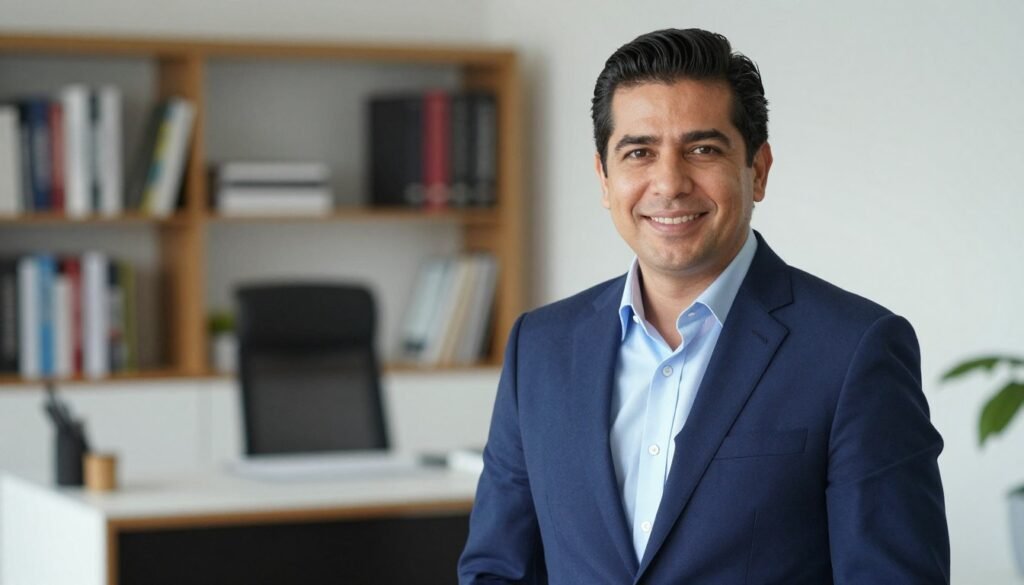
Common queries: “manuel lemus rangel” and “lemus rangel”
People search both the full name and shorter forms. Use the full phrase manuel lemus rangel when you want formal records or award listings.
Use lemus rangel for quick searches or social posts where shorter names appear.
Brand and project queries: “Apunajaa” and “Agua por la Guajira”
Search the project name to find deployments, photos, and impact reports. Pair the brand with the founder name to narrow results and avoid unrelated pages.
Ecosystem queries: “MIT Technology Review,” “technology review,” and “startup”
Readers often add the award platform to confirm recognition. Try queries with mit technology review or technology review plus the project name to find the original feature.
Including the term startup helps when looking for business details, fundraising news, or partnerships. Add mit technology for variations of the magazine name.
“Pairing a name with the project or award usually cuts through mixed search results.”
Browse cohort pages if you want related profiles. For example, inés benson (Guará, Guará API) is another Innovators Under 35 alumnus that readers often cross-check. Seeing both hardware and software projects in a cohort clarifies scope.
Quick verification tips:
- Look for official cohort or award pages first.
- Check reputable media summaries and project documents next.
- Use the internet to compare multiple sources before citing a profile.
| Search phrase | What it finds | Best follow-up to verify |
|---|---|---|
| manuel lemus rangel | Awards, formal bios | Innovators Under 35 page or press release |
| Apunajaa / Agua por la Guajira | Project pages, deployment updates | NGO reports, local news, project site |
| mit technology review + startup | Feature articles, cohort list | Original technology review entry and citation |
Conclusion
This profile shows a practical path from prototype to public service. Apunajaa and its founder illustrate a mission-driven approach to providing clean water in arid, rural Colombia.
The technology stands out because it pairs solar-powered air-to-water generation with energy storage and simple, repairable hardware. That mix supports off-grid reliability and real deployments rather than lab-only demos.
Recognition from mit technology and the technology review cohort helps open doors, but lasting impact depends on measurable uptime, adoption, and serviceability.
More broadly, the most effective climate-minded teams combine durable devices with software-style monitoring and processes. U.S. partners and funders can learn from this model and speed collaboration where water access is hardest.