
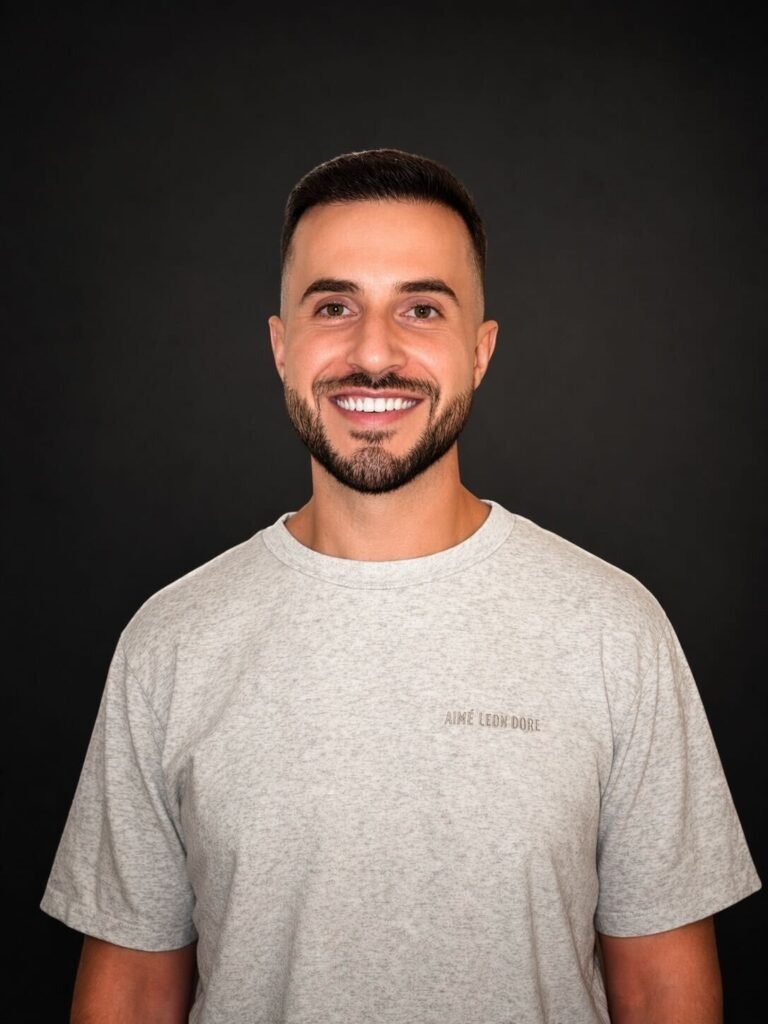
Joey Stiver on building Amble Health around clear pricing and compliance
Joey Stiver is the Founder & CEO of Amble Health Inc, a direct-pay telehealth platform connecting patients with licensed physicians. The conversation explores how upfront pricing, operational discipline and compliance shape the business, from winning early customers to retaining patients.
Before scaling, understand the cost of acquiring, serving and supporting each customer, and do the frontline work to spot operational problems. In healthcare, clear pricing, reliable service and strict compliance can help earn the trust that drives retention and referrals.
What’s the short story of how your business started, and what makes it genuinely different from the other options your customers have?
I started my first health venture at 23 years old out of a 600-square-foot room using a single $8,000 credit card for inventory and a basic website. After a college weightlifting injury and a major early mistake cost me my university education and any traditional corporate safety net, failure simply wasn’t an option. Over the last 13 years, I bootstrapped that initial hustle into a healthcare and e-commerce portfolio that has generated over $1 billion in revenue without taking a single dollar of venture capital. What makes Amble Health genuinely different today is radical transparency and operational speed. While many VC-backed telehealth companies bait patients with low teaser rates only to hit them with mandatory monthly membership fees and hidden charges after a 50-question intake, we use a simple, all-inclusive direct-pay model. Patients know the exact cost upfront, and because we built our own tech and pharmacy integrations from the ground up, they can have their consultation by a licensed clinician within hours and receive their medication in 48 hours.
How did you win your first customers, and where does most of your new business come from today?
In those early days with no funding, I couldn’t afford big ad agencies or a large staff, so I won our first customers by doing everything myself, packing boxes, managing inventory, and answering customer support tickets late into the night. When you’re bootstrapping, every customer interaction matters because you can’t afford to lose a single sale. We won people over simply by delivering what we promised, fast, and treating them right. Today, while we run disciplined digital acquisition campaigns, our strongest engine is word-of-mouth referrals and long-term patient retention. When you don’t trick customers with hidden fees and their prescriptions actually show up at their door in two days, they tell their friends and family. In a bootstrapped business, keeping the customers you already have is the best marketing channel there is.
What’s one decision that changed the direction of your business, and one mistake that taught you the most?
The biggest turning point was the mistake I made at 20 years old. After my college injury, I got involved in running an unregulated gray-market business, which resulted in a federal felony conviction and getting kicked out of university. That mistake cost me everything at the time, but it taught me the most valuable lesson of my life: there are no shortcuts when it comes to regulatory compliance. That experience directly drove the single best decision I ever made in business, going all-in on strict, uncompromising compliance and building our own end-to-end operational infrastructure. Over the last 12 years, we’ve maintained a spotless regulatory record with elite medical certifications and zero warning letters. It also changed how I hire: I actively look for fellow college dropouts and underdogs who have a chip on their shoulder and a relentless drive to prove themselves the right way.
What has changed in your industry or in what your customers expect over the last couple of years, and how have you adapted?
Patients have completely lost patience with the traditional healthcare system, the weeks-long wait times for a 10-minute appointment, the insurance denials, and the surprise bills that show up months later. Over the last couple of years, consumers have shifted toward proactive, patient-led care. They expect healthcare to work with the same speed and clarity as any modern online service, whether they are managing their metabolic health or stocking their home medicine cabinet with emergency prescription medkits before a crisis hits. By gathering clear, complete medical history and ID verification upfront, we free up licensed doctors to focus 100% on clinical safety rather than administrative paperwork. That allows a patient to fill out an intake form at midnight on a Saturday, get reviewed by a doctor within an hour, and have treatment on their doorstep two days later, without ever cutting a clinical corner.
If you were advising someone starting out in your industry today, what would you tell them to do first, and what would you tell them to ignore?
First, master your unit economics and do the frontline work yourself before you ever try to scale. Know down to the dollar what it costs to acquire a customer, review their chart, fulfill their order, and support them. When you pack the orders and answer the support tickets yourself early on, you spot the operational leaks that blow up most startups. What you should ignore is the "growth-at-all-costs" hype and the pressure to chase venture capital. In telehealth and e-commerce, raising millions of dollars often just gives founders an excuse to ignore broken operations and bad unit economics. You don’t need outside investors to build a massive company if you focus on profitable customer acquisition, strict compliance, and building a service people actually want to stick with after month one.
Thank you to Joey Stiver and the team at Amble Health Inc for sharing what actually worked with Leaders Perception readers.
Want to tell the story behind your business?
Leaders Perception publishes interviews with business owners and leaders every week. Five questions, about ten minutes, no calls. It is free and every completed interview gets published.