
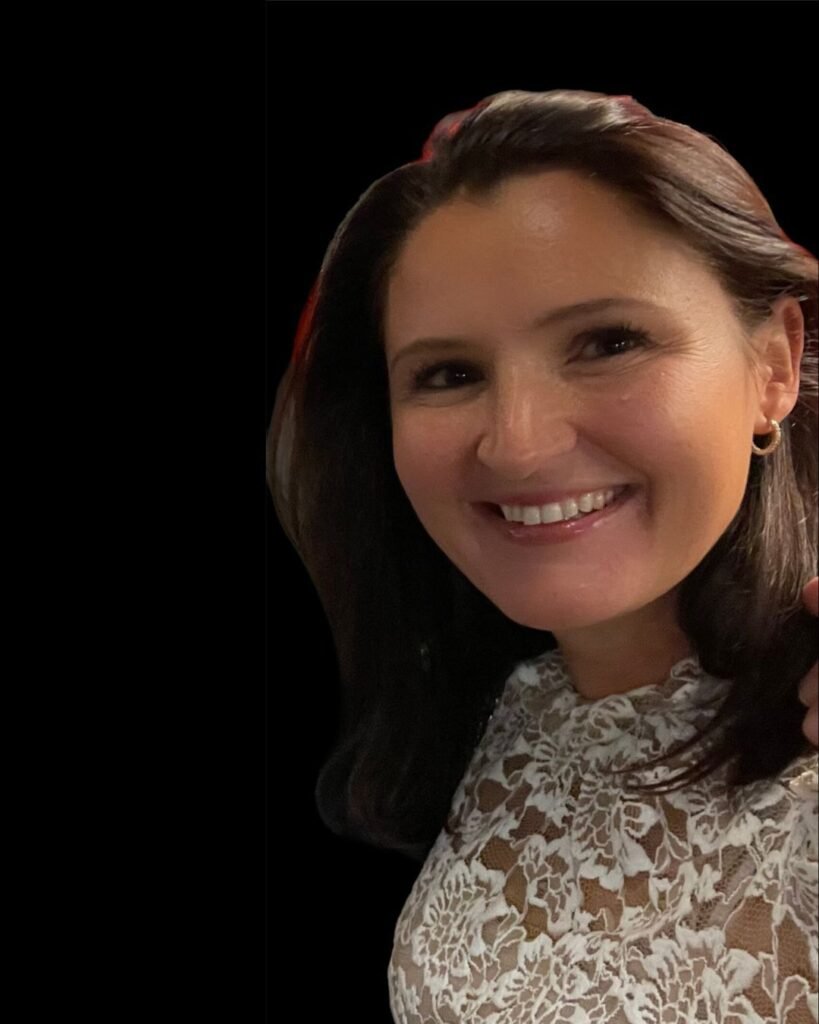
Laura Runcie built a PR consultancy around fixed-price campaigns
Laura Runcie is the founder of Laura Runcie Public Relations, a consultancy serving startups and small businesses with fixed-price PR campaigns for launches, announcements and other key moments. The conversation explores how clear offers, referrals and honest positioning shaped the business, and how Runcie has adapted to a changing media landscape.
Turning vague PR services into clearly priced campaigns with deadlines helped Laura Runcie make the offer more useful to small businesses. The answers also underline the value of building trust through referrals and setting prices that respect the experience behind the work.
What’s the short story of how your business started, and what makes it genuinely different from the other options your customers have?
I started my career in PR and marketing in London’s designer fashion industry, and I loved it. Then my first son was born, and a few months later we moved to New York for my husband’s job. My second son came a couple of years after that. Being home with my boys was the best thing — but I dreaded the question "what do you do?" I’d honestly never thought I could go back to work; every environment I’d known was too demanding to leave room for family life. When both boys were in school, I started helping a small local business with social media and marketing, and that was my stepping stone. I decided to try it on my own, focusing on small businesses — and I found the gap.
What makes it different: I don’t sell open-ended retainers or generic "PR services." Everything is a short, sharp, fixed-price campaign built around a moment that matters — a launch, an announcement, a new collection, gift guide season. And every campaign is organic pitching to real editors.
How did you win your first customers, and where does most of your new business come from today?
My first clients came from people who’d seen my work up close — the small local business I helped when I was getting back into work, and then the founders they introduced me to. I no longer had my connections from London or a recent portfolio to point to, so every early client was taking a leap of faith on me, and I earned the next one by delivering for the last one.
Today it’s still mostly the same: referrals, relationships, and testimonials. Some of my best partnerships have come from a fellow founder making an introduction because she believed in what I do. I also find brands through LinkedIn and Kickstarter and reach out directly. But I don’t believe a business like mine can be built primarily on social media. Trust is the product, and trust grows person to person.
What’s one decision that changed the direction of your business, and one mistake that taught you the most?
The decision was to productize. Early on I was selling "PR services" the way agencies do — open-ended, vague, retainer-shaped — and it wasn’t working for the businesses I wanted to serve. So I rebuilt everything into short, named campaigns with clear prices and deadlines: a Holiday Gift Guide Sprint, a Launch Push. That one decision changed the whole shape of the business — it’s how I market, how I sell, and how I deliver.
The mistake was underpricing myself. When I was re-entering the workforce after years at home, part of me felt like I was starting over rather than bringing years of experience, and I said yes to work that drained me at rates that didn’t respect what I brought.
What has changed in your industry or in what your customers expect over the last couple of years, and how have you adapted?
Two shifts. First, AI has flooded editors’ inboxes with generic pitches — which, honestly, has made a genuinely personal, targeted pitch stand out more. Second, the media landscape keeps shrinking and speeding up: smaller newsrooms, commerce editors running gift guides with affiliate links, and media contacts who move jobs. Every campaign needs a freshly verified media list, a real moment, and a sample when it counts. My customers have changed too — they expect transparency. They’ve been burned by vague retainers and want to know exactly what they’re buying, what it costs, and when it happens. That’s why everything I offer has a clear price and timeline. Overall, my business got more personal and more specific.
If you were advising someone starting out in your industry today, what would you tell them to do first, and what would you tell them to ignore?
Do first: build it around your life, not despite it. I spent years assuming work had to look the way it looked in my twenties — all-consuming, family-second — and the business I have now exists because I finally asked what I needed instead. And start before you feel ready; the readiness comes from doing, not from waiting.
Ignore: "fake it till you make it." It does real damage, especially to women starting businesses. My whole practice is built on the opposite — being honest about being small, solo, and specialized. Clients don’t hire me despite that; they hire me because of it. Pretending to be a big agency would have meant competing on their terms. Owning what I actually am let me create my own.
Thank you to Laura Runcie and the team at Laura Runcie Public Relations for sharing what actually worked with Leaders Perception readers.
Want to tell the story behind your business?
Leaders Perception publishes interviews with business owners and leaders every week. Five questions, about ten minutes, no calls. It is free and every completed interview gets published.