
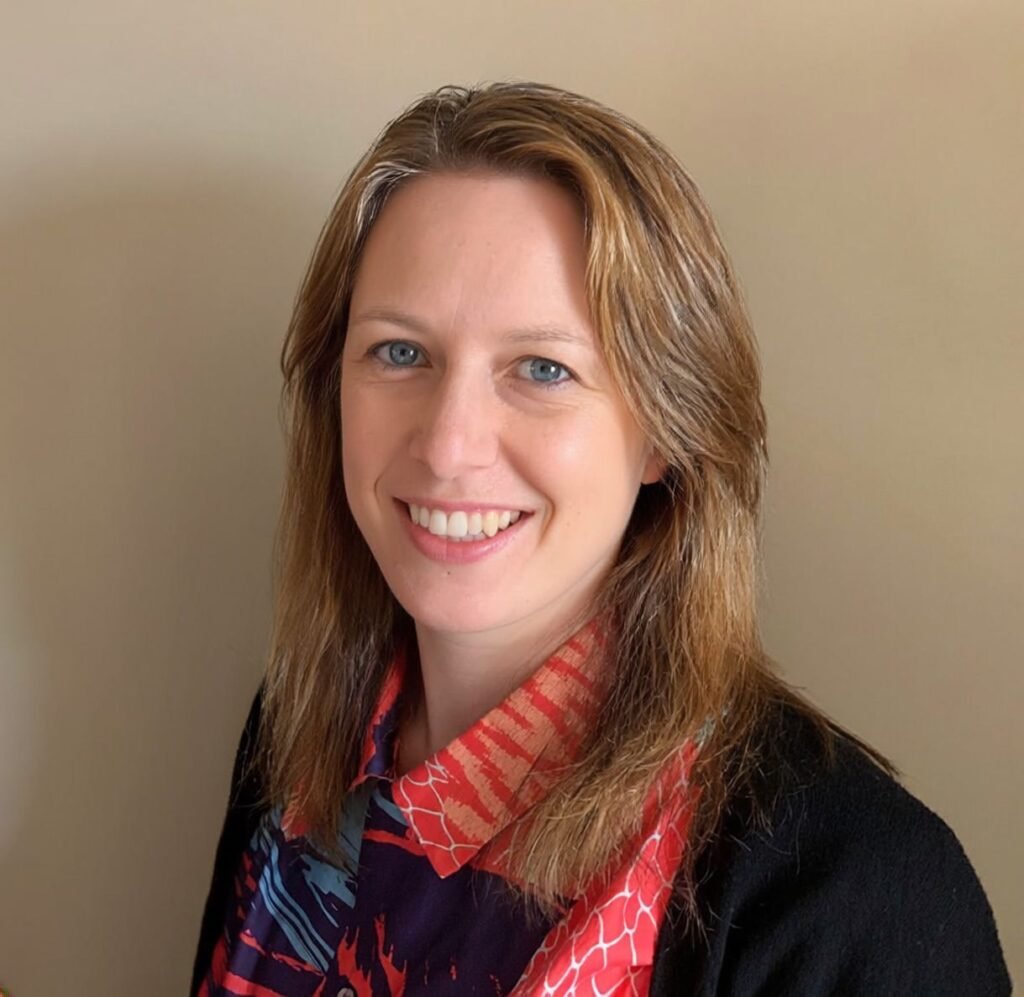
How Sonja Meyer is making sustainable printing easier to choose
Sonja Meyer is Creative Director of Ethical Print Co., which offers eco-conscious printing for Australian businesses and organisations, including work on recycled stock and plantable native seed paper. Meyer shares how design experience shaped the business, why referrals and repeat customers matter, and what it takes to make more responsible printing an easy choice.
A clear niche and strong customer relationships can help a small business stand apart without competing only on price. Meyer’s experience also shows why sound pricing and good systems matter as much as keeping busy.
What’s the short story of how your business started, and what makes it genuinely different from the other options your customers have?
I’ve been a graphic designer for about 20 years, and some of my earliest jobs were in small print shops. I remember being pretty horrified by the amount of waste being produced, particularly all the junk mail and promotional materials that would probably end up in the bin within days. It got me thinking about the negative role designers can fall into in the context of consumer culture. I ended up studying sustainability and design anthropology to better understand the industry and its environmental impact.
I started Ethical Design Co. in 2019 to work with organisations doing something positive in the world, and Ethical Print Co. was a natural extension of that.
I think what makes us a bit different is that we come from a design background, not just a printing one. We understand the whole process, from how something is designed through to the materials it’s printed on and how it’s produced. We’re not going to pretend printing has zero environmental impact, but we can help people make better choices and hopefully reduce some of the unnecessary waste along the way.
How did you win your first customers, and where does most of your new business come from today?
When I was in my early 20s, I got headhunted from my print job to be a print broker for a fashion brand. He was adamant he wanted to use me for the job as I understood his design vision and could turn that into a printed piece. From there, as a freelancer and during my time in my current design agency, we’ve printed reports, brochures, business cards and many other items for our design clients.
Most of our work has traditionally come through referrals and repeat customers. We’ve been lucky to build some really long-standing relationships, and a lot of our clients come back year after year. From that, Ethical Print Co. was born so we could service a wider market.
These days we’re putting more effort into SEO and getting found by organisations and businesses who are specifically looking for sustainable printing. The challenge now is reaching beyond that niche and attracting people who might not necessarily be searching for sustainable printing, but would happily choose a more responsible option if it was just as easy and affordable.
What’s one decision that changed the direction of your business, and one mistake that taught you the most?
Probably the biggest decision was choosing to focus on organisations doing good, rather than taking on absolutely any work that came our way. It was a bit of a gamble when I started Ethical Design Co., but it helped us build a business around work we actually cared about, and eventually led to Ethical Print Co.
As for mistakes, I’d say underpricing and trying to do too much myself. I think a lot of people in creative industries fall into that trap. You want to do great work, keep your clients happy and say yes to opportunities, but you don’t always stop to think about whether the numbers actually stack up. It’s important not to be the decision bottleneck in your own business.
I’ve learned that being busy and being profitable are two very different things. These days I’m much more interested in building good systems, getting the pricing right and creating a business that doesn’t need me involved in every little decision.
What has changed in your industry or in what your customers expect over the last couple of years, and how have you adapted?
I think people have become much more accustomed to doing everything online and with convenience. They want to find what they’re looking for, see a price and place an order without having to send five emails back and forth. And fair enough! So do we.
There’s also some more awareness around sustainability, although in my 20 year career this seems to have stalled a lot recently. I’m surprised it’s still a niche after all this time. We try to keep an open mind at all times and not push our ethos on anyone and everyone – just nudging them toward better choices where we can.
We’re currently working on making the whole ordering process easier, with online ordering, customer print subscription accounts and tools to help people keep track of their print jobs. I’m also really interested in how AI and automation can take care of some of the repetitive admin work that takes up so much time in a small business.
The goal is to make sustainable printing a really easy choice, rather than something people have to go out of their way to do.
If you were advising someone starting out in your industry today, what would you tell them to do first, and what would you tell them to ignore?
I’d probably tell them to find a niche they genuinely care about and get to know their customers really well. Printing is incredibly competitive, and there’s always going to be someone offering something cheaper. I don’t think trying to compete on price with the big online printers is a particularly good strategy for a small business.
I’d also say to spend time finding good suppliers and understanding what you’re actually selling. Particularly when it comes to sustainability, it’s important to be able to back up your claims.
And I’d tell them not to get too distracted by what everyone else is doing. It’s very easy to spend all your time tweaking your website, adding new products or chasing the latest marketing trend instead of focusing on what actually brings in customers.
And finally, if you don’t enjoy it – don’t do it. You’ll burn out quickly. This goes for any job in any industry. It’s a privilege to follow your heart in business, so if you have that privilege, use it for good, for the sake of the world.
Thank you to Sonja Meyer and the team at Ethical Print Co. for sharing what actually worked with Leaders Perception readers.
Want to tell the story behind your business?
Leaders Perception publishes interviews with business owners and leaders every week. Five questions, about ten minutes, no calls. It is free and every completed interview gets published.