
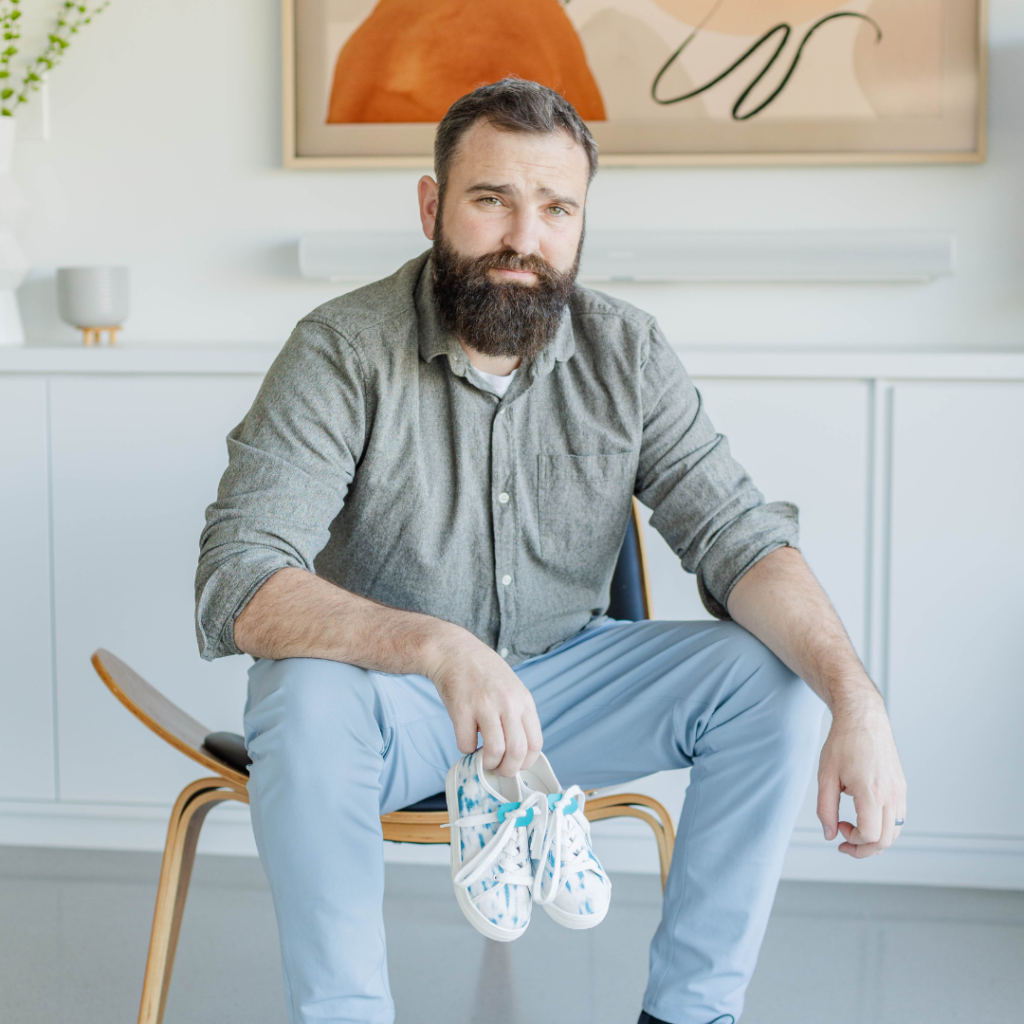
How Bobby Morong built Training Ties around a classroom problem
Bobby Morong, a former special education and PE teacher, invented Training Ties, a patented tool that helps children learn to tie shoes one step at a time. The conversation looks at how classroom experience shaped the product, why paid ads fell short, and how practical guidance and professional feedback now help reach customers.
Start by putting a product in the hands of people who see the problem every day, and listen to what they tell you. Useful, practical guidance can reach customers more effectively than spending on ads without a clear connection to their needs.
What’s the short story of how your business started, and what makes it genuinely different from the other options your customers have?
I was a special education and PE teacher in the Boston area for nearly 20 years. Year after year I watched kids get stuck on the same part of tying their shoes: they’d drop a loop, the whole knot would fall apart, and they’d have to start over. So I invented Training Ties and patented it. Small leather checkpoints hold the laces at the exact spots where kids lose their grip, so a child can stop mid-knot, keep their progress and try the next step. Most alternatives are either a different way to tie (rhymes, bunny ears, videos) or a way to skip tying altogether (elastic laces, Velcro). Training Ties actually teaches the standard knot, one small win at a time, and it’s made in the USA from leather.
How did you win your first customers, and where does most of your new business come from today?
My first customers came from a Kickstarter in 2020 that beat its goal, mostly people who knew me as a teacher. Today most new business comes from parents who find the free guides on our website while searching for help, like when a child should learn to tie shoes, and from occupational therapists, schools and special-needs organizations. Special Olympics Southern California ordered 150 pairs for their Summer Games, and Easterseals and the May Institute have used them too.
What’s one decision that changed the direction of your business, and one mistake that taught you the most?
The decision: keeping it a quality, made-in-the-USA leather tool instead of racing to the bottom with cheap plastic. It’s slower and costs more than knockoffs, but it’s why therapists and schools trust it. The mistake: thinking I could buy my way to growth with paid ads. I spent money and got very little back. It taught me to be useful where parents are already asking the question, instead of trying to shout louder.
What has changed in your industry or in what your customers expect over the last couple of years, and how have you adapted?
More kids are reaching school age without tying their shoes, partly because Velcro and slip-ons made it easy to skip, and parents now search online for answers before they ask anyone. They expect clear, honest help, not just a product pitch. I adapted by writing free, practical parent guides and making sure they answer real questions first, and by putting more focus on teachers and therapists who see the problem every day.
If you were advising someone starting out in your industry today, what would you tell them to do first, and what would you tell them to ignore?
Do first: get your product into the hands of the people who see the problem every day (for me, teachers and therapists) and listen to them. Ignore: the pressure to look big. You don’t need a huge ad budget or a polished brand on day one. One small step at a time is how kids learn, and it’s how a business gets built too.
Thank you to Bobby Morong and the team at Training Ties for sharing what actually worked with Leaders Perception readers.
Want to tell the story behind your business?
Leaders Perception publishes interviews with business owners and leaders every week. Five questions, about ten minutes, no calls. It is free and every completed interview gets published.