
How Himedi built trust into Korean health screening
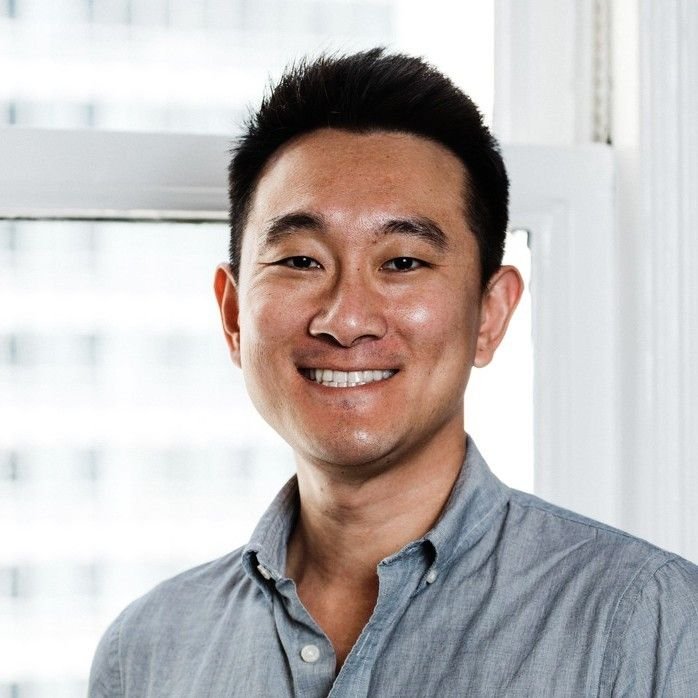
William Ban is cofounder and COO of Himedi, a South Korea-based healthcare concierge service connecting international patients with Korean hospitals and medical centers for screenings and diagnostic testing. He explains how the business found its first customers, why it made the service free to customers, and how a mistaken assumption at its US launch changed the way it matches patients to checkup programs.
In healthcare, trust needs to shape the service: Himedi vets clinics and matches patients to checkup programs based on their health concerns, rather than asking them to choose among unfamiliar providers. Ban’s advice is to talk to customers and visit partners before building or scaling.
What’s the short story of how your business started, and what makes it genuinely different from the other options your customers have?
Himedi started with my own body. After years in startups, including Airbnb, I got my first comprehensive health checkup in Seoul: dozens of tests in a single morning, a small polyp found and removed in the same visit, and results explained to me that afternoon. I flew home realizing American healthcare had never once offered me that, and co-founded Himedi to change it. The difference is trust architecture: we’re licensed by Korea’s Ministry of Health and Welfare, we’ve personally vetted more than 1,000 Korean clinics and approved roughly 300, and our service is free to customers, so our incentives sit with vetting, not upselling. We think of it simply: Korea’s medical depth is the engine, and Himedi is the interface that turns it into personalized insight you can act on.
How did you win your first customers, and where does most of your new business come from today?
Our first customers came from a one-page flyer, though not the street-corner version you’d picture from a movie. We had no website, so I emailed and texted it to everyone I knew who was heading to Korea soon; it laid out the different checkups, skin clinics, and medical options available there. The real product of that phase wasn’t bookings, it was learning: every conversation taught us the customers’ actual pain points and what they needed help with. Today most new business comes from organic search and word-of-mouth referrals, which keeps proving two things to us: there’s tremendous pent-up demand from people who want to take control of their health through preventive screening, and the product-market fit is real, because customers enthusiastically share their Himedi experience with their friends. That habit of listening before building never left the company.
What’s one decision that changed the direction of your business, and one mistake that taught you the most?
The decision: making Himedi completely free for customers and earning our revenue through the partner network instead, which means we only win when the vetting is right. The mistake came at our US launch, when we assumed Americans would want to choose between Korean clinics the way they compare hotels. They couldn’t: there was no brand recognition, so presenting the choice just generated more questions about why one hospital was better than another. We learned customers don’t have the knowledge to choose between clinics, but they know exactly what worries them about their health, so we rebuilt the entire experience around "what are your health concerns?" and now match people to the right checkup program without naming clinics at all. The clinic question is answered by our vetting process, and that’s the trust we have to keep earning every day.
What has changed in your industry or in what your customers expect over the last couple of years, and how have you adapted?
The whole category is shifting from "looking young" to "functioning young." Korea’s record medical travel numbers are still led by dermatology, but health checkups are among the fastest-growing segments, and Americans have been the largest group of screening visitors two years running, per Korea’s health ministry. Our customers changed too: alongside the traditional executive-physical demographic, we now see informed 30- and 40-somethings who track wearables and ask about biological age, metabolic data, and trend lines, not just "am I okay?" We’ve adapted by repositioning Himedi from a booking service into a precision longevity platform: the checkup is the entry point, and the product is a longitudinal understanding of your health, year over year. Prevention stopped being a purchase and became a habit, so we built for the habit.
If you were advising someone starting out in your industry today, what would you tell them to do first, and what would you tell them to ignore?
Do first: go talk to customers before you build anything, the way our flyer taught us more than any business plan, and get properly licensed, because in healthcare trust is the entire product and regulation is table stakes, not friction. Visit your partners in person; a clinic’s Instagram following tells you about its marketing budget, not its medicine. Ignore: the pressure to look big before you are, and the vanity metrics that come with it. In this industry, one customer whose 11-hour flight ends in a great experience is worth more than a million impressions, because health is the one category where people only ever buy from someone they trust.
Thank you to William Ban and the team at Himedi for sharing what actually worked with Leaders Perception readers.
Want to tell the story behind your business?
Leaders Perception publishes interviews with business owners and leaders every week. Five questions, about ten minutes, no calls. It is free and every completed interview gets published.