
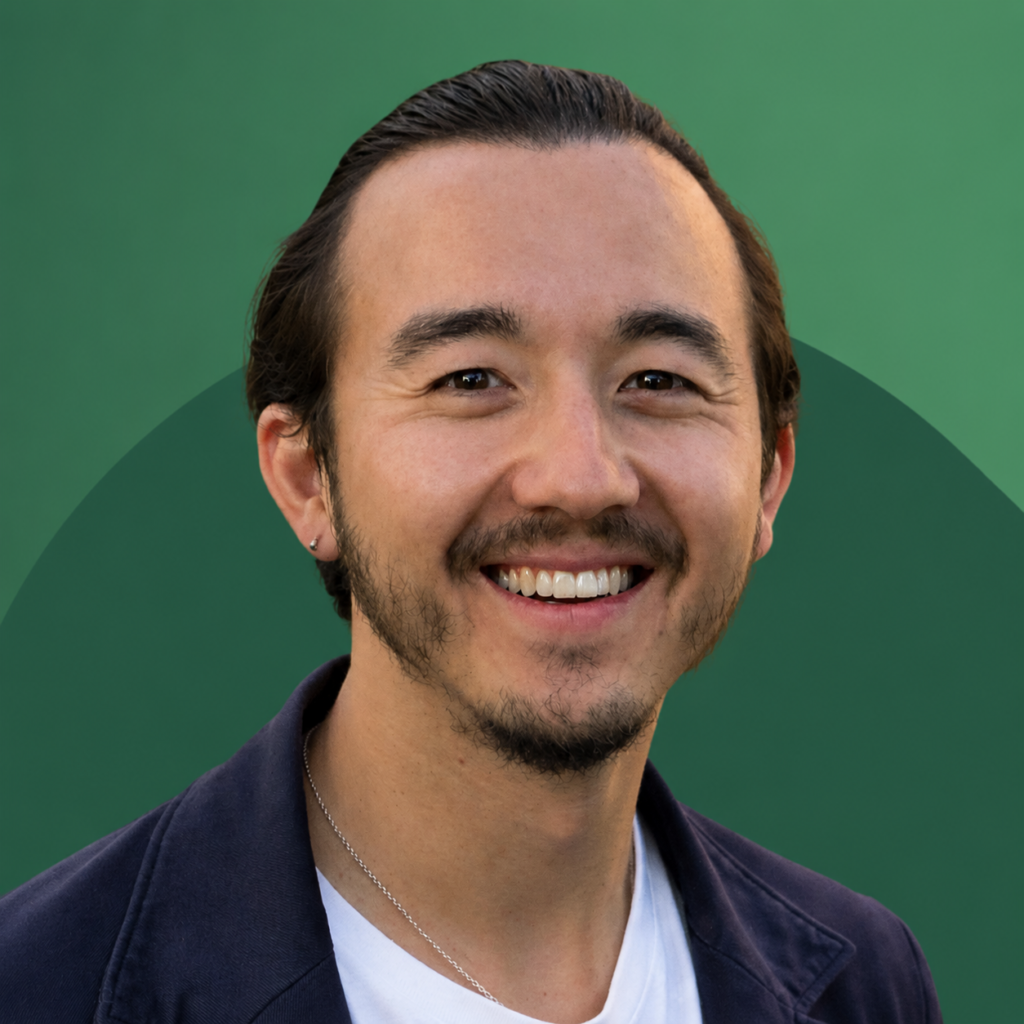
How Zentive Agency puts sustainability at the centre of events
Dominic Richards is Director of Zentive Agency, which provides international event management with a focus on environmental and social sustainability. Richards explains how the agency found early clients from scratch, chose a focus in global health and adapted events for hybrid audiences.
A high-profile first client did not, by itself, launch the business. Zentive used Google Ads and LinkedIn outreach to win further work, then focused on global health as its client base grew there. The answers underline the value of deliberate customer acquisition, a clear market focus and structured onboarding.
What’s the short story of how your business started, and what makes it genuinely different from the other options your customers have?
Zentive started as a belief in creating and delivering corporate events differently. I’d been in the events industry for 5+ years and seen first-hand the negative impact they had on the planet – huge amounts of food waste, long-haul flights for one day meetings, discarded and unused event "swag" and a once and done mindset. We wanted to create events that could be better for the planet. We believed we could reduce carbon emissions and any negative impact whilst continuing to achieve event goals. We found out we were right.
How did you win your first customers, and where does most of your new business come from today?
Zentive started from scratch. No existing client base. No freelancer network to expand. We won our first clients using a mix of PPC (Google Ads) and LinkedIn outreach.
One of our first clients was a very large engineering services company (turnover of $12.05 billion in 2025). This was a crazy moment for us but funnily enough it didn’t launch our business, we only got one event off of it. The way we managed to secure the event was interesting. We used a LinkedIn outreach automation tool, sending messages to potential leads on LinkedIn. We then put together a proposal (designing it from scratch), creating a creds deck on the fly and managed to be contracted to manage the event, which was held at the top of the Gherkin in London!
The next two clients were also big, household names. These came to us through Google Ads. We had to go through rigorous pitching processes for both, often creating policies and documents when being requested for them. Both are still our clients and one of them has generated nearly £1M of revenue.
What’s one decision that changed the direction of your business, and one mistake that taught you the most?
After realising our client base was growing in the global health sector, we made the decision to make that our focus. We are now carving a name for ourselves in this industry which spans multiple continents and purpose-driven organisations.
I think we made a few mistakes with our hiring and onboarding process. It wasn’t as structured and it meant that new team members sometimes weren’t as trained as we’d like them to be before they started working on live events. We now have a thorough training/onboarding plan for all new starters.
What has changed in your industry or in what your customers expect over the last couple of years, and how have you adapted?
Covid of course changed things drastically in 2020/21. Events nowadays are pretty much hybrid as standard, which means that there are both in-person and virtual attendees. The event is attended by in-person attendees and streamed live to virtual attendees. We have adapted by building stronger relationships with our AV production suppliers as well as exploring new ideas to connect the bridge between the two types of attendees. Ways we have done this include bringing screens into the main rooms for the sole purpose of displaying virtual attendees, mobile apps that host both virtual and in-person attendees that can be used for networking, polls, asking speaker questions, and hybrid breakout groups.
If you were advising someone starting out in your industry today, what would you tell them to do first, and what would you tell them to ignore?
I would tell them to get as much experience as possible. Although I got an events degree, I often think that the experience I got being involved in events was a lot more valuable. If you’re at university, try to attend and volunteer at as many events as possible. Doing an internship is also very useful to get first-hand experience in how events are managed. Also spend a lot of time researching the industry and networking. Building a strong network of suppliers and event professionals is really important is this industry. I would say ignore anyone who uses your time invaluably. Make sure to spend time with people who share the same ideas and ambitions.
Thank you to Dominic Richards and the team at Zentive Agency for sharing what actually worked with Leaders Perception readers.
Want to tell the story behind your business?
Leaders Perception publishes interviews with business owners and leaders every week. Five questions, about ten minutes, no calls. It is free and every completed interview gets published.