
How Gabriella Yan built TRAppe. around local travel businesses
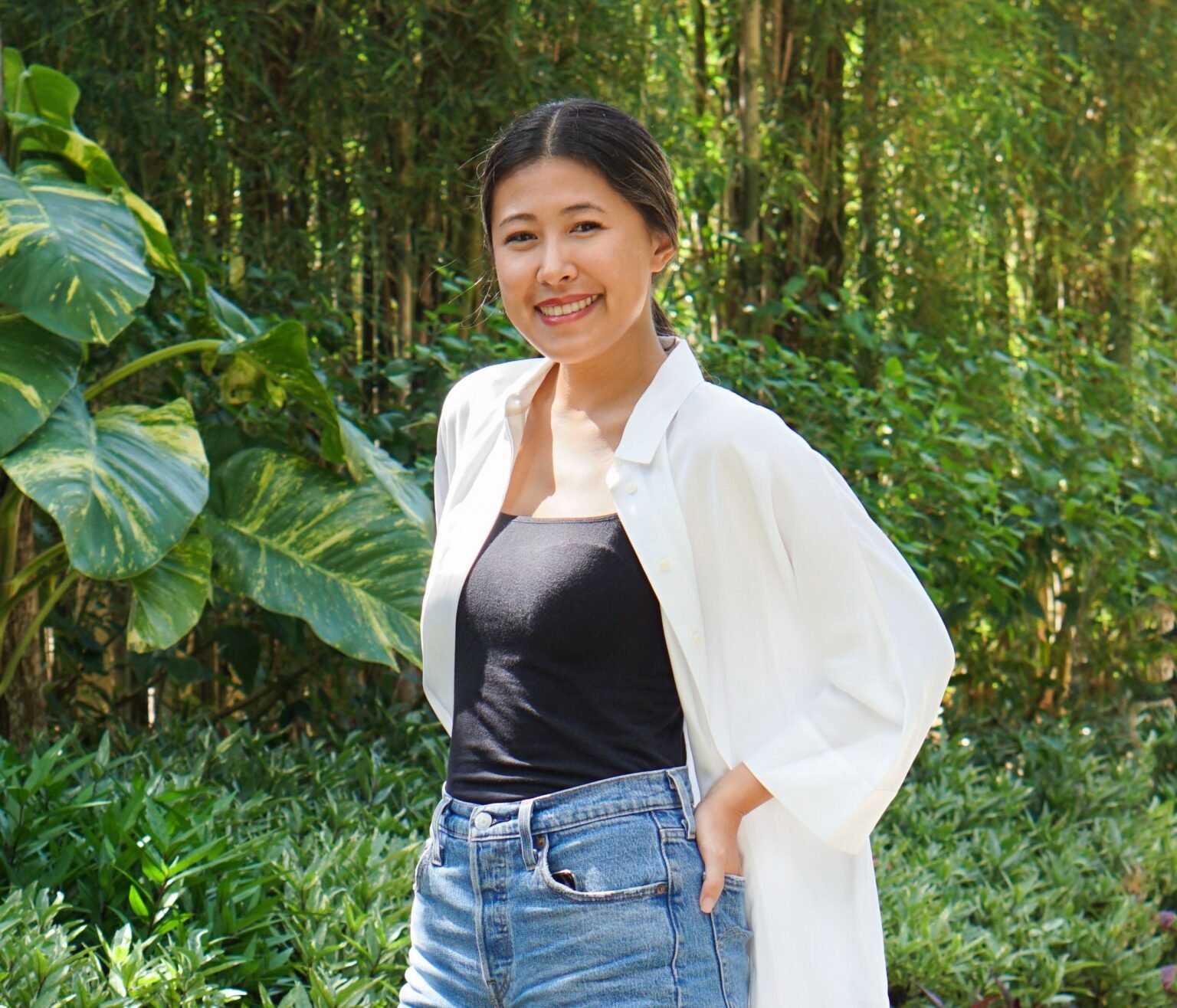
Gabriella Yan is the founder of TRAppe., a curated travel discovery platform connecting travellers with locally owned stays and experiences. The conversation traces its shift from a Bali guide to a global platform, and the decisions behind finding early partners and building a financially sustainable business.
Learn what customers want and will pay for before scaling, and test your assumptions on a manageable scale. For a mission-driven business, financial sustainability helps protect the mission over time.
What’s the short story of how your business started, and what makes it genuinely different from the other options your customers have?
Before starting TRAppe, I spent years working in luxury hospitality across different countries in the Asia-Pacific region, where I began questioning how much tourism actually benefits local people. I saw hotels charging US$350 a night while the people working behind the scenes earned just US$150 a month. At the same time, I came across incredible locally owned travel businesses doing wonderful things for their communities and the environment but struggling to compete with larger brands and their marketing budgets.
That inspired me to create TRAppe, a platform that makes it easier for travellers to discover these businesses and make more informed choices about where their money goes.
Unlike traditional online travel agencies (OTAs), we’re a highly curated discovery platform rather than a marketplace trying to list as many businesses as possible. We also don’t charge booking commissions. Instead, our partners pay an affordable membership fee, and travellers book directly with them, allowing businesses to keep 100% of their booking revenue.
At its core, TRAppe is about ensuring more of the economic benefits of tourism reach local communities. By giving smaller businesses greater visibility and encouraging direct bookings, we’re working towards a tourism industry where the people who make travel experiences possible receive a fairer share of the value they create.
How did you win your first customers, and where does most of your new business come from today?
TRAppe is now in its second year of operation. During our first year, we focused exclusively on Bali, where we launched a digital travel guide featuring sustainable stays, restaurants and experiences. This was a deliberate decision to better understand the demographics, motivations and travel behaviours of people who genuinely wanted to make more conscious travel choices. More importantly, it allowed us to build an initial community of travellers who shared our values.
When we expanded globally in February 2026, we already had an audience of travellers interested in the kinds of businesses we wanted to showcase. We used that existing community as a starting point when approaching potential partners, giving us something tangible to offer rather than simply pitching an idea. Our first paying partners came through cold outreach. We researched tourism businesses around the world that aligned with our values, reached out to them personally and invited them to learn more about TRAppe.
Today, most of our new business comes from inbound enquiries, with tourism operators from around the world discovering TRAppe and reaching out to us directly. We still do proactive outreach but it’s been encouraging to see businesses finding us on their own and wanting to be part of what we’re building. In just eight months since launching our global directory, we’ve grown to around 80 partners worldwide.
That said, we’re very intentional about who we bring on board. TRAppe is a highly curated platform, and we don’t accept every business that enquires. Being locally owned and community-centric are two of our most important criteria and we assess potential partners against those values before inviting them to join.
For us, the priority has never been to onboard as many businesses as possible but to build a trusted discovery platform where the right travellers can find the right businesses.
What’s one decision that changed the direction of your business, and one mistake that taught you the most?
One of the biggest decisions that changed the direction of TRAppe. was shifting from a B2C business model focused on selling destination guides to a B2B membership-based global travel discovery platform.
During our first year, we focused on Bali and monetised through our digital travel guide. What surprised us was how many travellers connected with our mission and started asking whether we could create similar guides for other destinations. It became clear that the demand wasn’t just for information about Bali, but for a way to discover locally owned, community-centric travel businesses wherever they went.
That feedback encouraged us to think bigger. Rather than creating individual guides for every destination, we decided to build a global discovery platform where travellers could find these businesses in one place. We also shifted our revenue model from charging travellers for guides to offering affordable memberships to tourism businesses to be listed on our site, allowing travellers to discover and book directly with our partners for free.
As for my biggest mistake, I think it was underestimating how difficult it would be to turn a mission-driven idea into a financially sustainable business. In the beginning, I was so focused on creating something meaningful and making it accessible that I didn’t spend enough time thinking about whether our revenue model could realistically support the business in the long run.
I’ve since learned that doing good and making money shouldn’t be treated as mutually exclusive. If we want TRAppe to continue supporting locally owned tourism businesses and creating a positive impact, we need to be financially sustainable ourselves.
It’s a lesson I’m still learning as a founder but it’s fundamentally changed how I approach building TRAppe. Today, I’m much more intentional about testing what people are willing to pay for, diversifying our revenue streams and ensuring that our mission and commercial decisions support each other.
What has changed in your industry or in what your customers expect over the last couple of years, and how have you adapted?
One of the biggest shifts I’ve noticed in the travel industry over the past few years is that travellers are becoming more conscious of how tourism affects the places they visit, particularly the local communities.
According to Booking.com’s 2025 Travel & Sustainability Report, 73% of travellers want their spending to benefit local communities, while 77% are seeking authentic experiences that reflect local culture. These numbers are encouraging because they show that travellers are increasingly thinking beyond just where they’re going and considering who benefits from their visit.
However, there’s still a gap between what travellers say they care about and how they actually make booking decisions. Just because someone wants to travel more responsibly doesn’t mean they’ll necessarily choose a business simply because it’s sustainable. Price, convenience, quality and the experience itself still matter enormously.
I think that’s where the responsible tourism industry sometimes gets it wrong. We’ve spent so much time talking about sustainability, certifications and what travellers should or shouldn’t do that we sometimes forget people travel to enjoy themselves, discover new places and have fun.
That’s why we’ve deliberately built TRAppe as a lifestyle-forward travel brand rather than a traditional sustainability platform. Our branding is playful, our content is conversational, and we lead with the experiences themselves rather than their sustainability credentials.
We want travellers to discover an incredible family-run guesthouse, a food tour with a local guide or an unforgettable wildlife experience because it genuinely appeals to them. The fact that their spending also supports local communities makes that choice even better.
We’ve also adapted to how travellers want to discover and plan their trips. What started as a Bali-focused digital travel guide has evolved into a global discovery platform, featuring destination content, curated stays and experiences, and more recently, a dedicated section for fixed-date group trips and retreats. These additions have come from listening to our community and finding ways to make discovering and planning trips easier.
Ultimately, I don’t believe responsible travel should feel like a sacrifice or a moral obligation. Travellers can have an incredible holiday, enjoy themselves and still make choices that benefit the places they visit. That’s what we’re trying to communicate through TRAppe, both in our branding and in the businesses we feature.
If you were advising someone starting out in your industry today, what would you tell them to do first, and what would you tell them to ignore?
The first thing I’d tell anyone starting a business in travel is to understand the people you’re trying to serve before building anything. The travel industry is incredibly competitive and it’s easy to get caught up in creating something you think people need without actually finding out whether they want it or are willing to pay for it.
That’s why we spent our first year focusing on just one destination rather than trying to launch globally from day one. It gave us the opportunity to understand our audience, test our assumptions and build a community before expanding. I’d encourage anyone starting out to speak to potential customers, listen to their challenges and start small enough that they can make mistakes without putting the entire business at risk.
I’d also tell them to think about financial sustainability from the beginning, especially if they’re building a mission-driven business. It’s wonderful to want to make a positive impact but good intentions alone won’t pay the bills. Your business needs to generate enough revenue to sustain itself if you want to keep making that impact in the long run.
As for what to ignore? The pressure to grow quickly, be everywhere and constantly compare yourself with other businesses.
There’s so much advice telling founders they need to raise funding, scale rapidly, build a huge social media following or achieve certain revenue milestones to be considered successful. But not every business needs to follow the same path.
I’ve learned that a large audience doesn’t necessarily translate into paying customers and rapid growth doesn’t automatically mean you’re building a healthy business.
My advice would be to focus less on looking successful and more on building something that genuinely works. Understand your customers, find a business model that makes sense and don’t lose sight of why you started in the first place.
Thank you to Gabriella Yan and the team at TRAppe. for sharing what actually worked with Leaders Perception readers.
Want to tell the story behind your business?
Leaders Perception publishes interviews with business owners and leaders every week. Five questions, about ten minutes, no calls. It is free and every completed interview gets published.