
Many owners feel a sense of dread when hearing about modernizing their operations. They often assume that moving away from old habits requires a massive IT budget or expert teams.
In reality, replacing scattered files and manual setups allows your business to operate faster. It represents a practical shift toward more efficient operations that frees up resources for innovation.
Recent surveys show that businesses adopting these changes saw eight times the revenue growth compared to traditional peers. This transformation is not about complex tech; it is about reclaiming your time. By reducing administrative chores, you can finally focus on the customer journey.
A successful shift helps a company scale without the typical friction of manual work. Instead of juggling disconnected systems, you build a foundation for long-term success. Every customer appreciates the smoother and faster service that modern tools provide.
Key Takeaways
- Modernizing operations can lead to eight times higher revenue growth.
- You do not need a massive IT budget to begin your journey.
- Moving away from manual files saves valuable daily hours.
- Effective systems allow you to focus on the overall customer experience.
- Efficiency provides a scalable foundation for future company expansion.
- Practical steps help avoid disruption during the transition process.
What Digital Transformation Really Means for Your Small Business
Real change starts when you look past the technical jargon and focus on how tools solve your real-world problems. For many small businesses, this concept feels like a mountain too high to climb. However, it is actually a practical shift toward smarter processes.
Imagine trading your physical filing cabinets for a centralized system that everyone can access instantly. Instead of hunting through stacks of paper, your team finds answers in seconds. This is the heart of digital transformation small companies need to survive today. The transformation small owners should seek is one that removes friction from daily tasks.
The goal is to replace slow, manual work with smart, connected workflows. This frees your employees to focus on tasks that actually generate revenue. It isn’t about buying every new gadget on the market. It is about making your business run more smoothly for you and your customers.
True transformation connects previously isolated departments into one coherent unit. When your sales team, marketing, and customer service all use the same data, the customer experience improves. You move from reactive firefighting to proactive growth. This clarity allows you to make better decisions based on facts rather than guesses.
Beyond Buzzwords: A Practical Definition
At its core, business digital transformation is the strategic replacement of outdated methods. Many owners rely on scattered sticky notes or complex spreadsheets to track sales. While these worked in the past, they often create information silos where data gets lost easily.
A practical definition focuses on solving specific operational headaches. For example, it might mean eliminating duplicate data entry across different departments. When your systems talk to each other, you gain a clear view of your entire operation. This transparency is essential for small businesses aiming to scale.
This journey isn’t just about the business internal mechanics; it is about the customer. Modern buyers expect quick replies and easy online interactions. By moving to digital platforms, you meet these expectations without burning out your staff. You create a professional image that competes with much larger corporations.
The Three Stages: Digitization, Digitalization, and Transformation
Understanding where you stand on the journey is vital. Salesforce defines this evolution through three distinct stages that build upon one another. Most companies begin with digitization, which is the simple shift from analog to digital formats.
Digitization was the shift from analog to digital, such as converting paper records into digital scans.
Next comes digitalization, where you introduce software into your existing processes. This might involve using record-keeping software instead of a physical ledger book. Finally, true digital transformation occurs when you rethink your entire model using technology as a primary driver.
This final stage is about reimagining your company image to appeal to modern buyers. Each step is a necessary part of the digital transformation journey. You do not have to change everything overnight, but you must keep moving forward. Using technology to disrupt your own old habits leads to lasting success.
| Stage | Key Action | Primary Benefit |
|---|---|---|
| Digitization | Convert paper to digital files | Easier storage and search |
| Digitalization | Adopt software tools | Improved task efficiency |
| Digital Transformation | Reimagine business model | Market disruption and growth |
Why Digital Transformation Matters More Than Ever
Understanding the “why” behind technological shifts reveals the massive potential waiting for your company. Today, small firms face a unique turning point where technology defines their future success. Embracing digital transformation helps you stay relevant while competitors struggle with outdated systems.
The Revenue Growth Advantage
Small businesses that adopted digital tools saw eight times the growth in revenue compared to those that did not. This massive gap happens because modern tools allow you to serve more customers without adding more staff. You can respond to leads faster and close sales cycles in half the time.
By reducing friction, your business becomes a high-performance machine ready for rapid expansion. Digital tools remove the manual bottlenecks that typically slow down your sales team. Consequently, you can process orders and handle inquiries with much higher precision and speed.
Meeting Modern Customer Expectations
Today’s customer expects a seamless and fast customer experience from every brand they visit. They want instant answers and personalized experiences that cater to their specific needs. If you fail to modernize, your customers will likely switch to a competitor who offers better convenience.
A positive customer experience is now the primary driver for long-term loyalty and repeat sales. People no longer compare you only to the shop down the street. Instead, they compare your digital speed to the best global apps they use every single day. Modern experiences define your reputation.
Key Benefits You Can Actually Measure
Beyond just making things look better, the benefits of this shift are highly quantifiable. You can track improvements in employee productivity and see a clear drop in operational costs. These benefits allow you to reinvest saved capital back into your growth strategies.
Implementing digital transformation helps you measure exactly where you save time and money. You will see higher employee morale as staff members stop doing repetitive, boring tasks. This shift creates a more agile environment that can adapt to any market change quickly.
| Benefit Category | Business Impact | Target Metric |
|---|---|---|
| Efficiency | Streamlined customer support | Reduced response time |
| Revenue | Higher growth potential | Sales per employee |
| Operations | Improved businesses productivity | Task automation rate |
| Satisfaction | Better customer experience | Repeat purchase rate |
“Innovation is the ability to see change as an opportunity – not a threat.”
Step 1: Assess Your Current Operations and Identify Pain Points
Many small businesses rush into buying software without first looking at the cracks in their existing operations. You need a clear baseline to ensure your transformation adds value to the company. Instead of guessing, look closely at how information flows through your office today.
Identifying these gaps helps you avoid spending money on technology that does not solve your actual problems. A successful business starts its journey by being honest about its weaknesses. This phase sets the foundation for every decision you will make moving forward.
Mapping Where You Waste the Most Time
Start by asking where your team spends the most time on tasks that do not generate revenue. You might find staff members re-typing contact information into different systems. Others might spend hours searching through old email threads for order details.
These manual processes often hide the biggest opportunities for improvement and growth. When a sales rep spends ten hours a week on data entry, that is a massive lost opportunity. Documenting these manual handoffs between departments reveals exactly where automation will have the most impact.
Involving Your Entire Team in the Assessment
Your employees deal with daily friction, so they are your best source of truth. When you involve the whole team, you find out exactly where data gets lost or siloed. Frontline workers understand the bottlenecks that managers might miss during a typical workday.
This collaborative approach also builds crucial buy-in from the very beginning. People are more likely to use new systems if those systems fix a problem they personally identified. “The best insights often come from the people doing the work every single day,” as many successful owners have discovered.
Using Free Assessment Tools to Compare Your Digital Maturity
You do not have to handle this audit alone; many free tools exist online to help. These resources allow a business to compare its data usage and digital maturity against industry peers. Using a standard framework helps you see if your transformation goals are actually realistic.
These assessments provide a benchmark for small businesses to measure future success. Once you know your starting point, you can set clear objectives for your technology investments. This step ensures you address actual needs rather than perceived problems.
| Assessment Method | Primary Focus | Best For |
|---|---|---|
| Workflow Shadowing | Daily operations | Finding manual bottlenecks |
| Team Interviews | Employee pain points | Building internal buy-in |
| Digital Benchmarking Tools | Industry standards | Comparing maturity levels |
Step 2: Set Clear, Measurable Goals for Your Transformation
Setting measurable objectives prevents your business from wasting money on tools that don’t solve actual problems. Without clear targets, you might chase flashy features instead of focusing on what actually drives growth. This clarity keeps your project focused on actual returns for your company.
Moving Beyond “We Need to Be More Digital”
Broad ideas like “being modern” offer no real direction for a successful digital transformation. Many owners fall into the trap of adopting technology simply because it feels innovative rather than useful. You must convert these general desires into concrete benchmarks that your team can track daily.
Specific goals create clear success criteria for everyone involved in the project. They provide motivation for teams working through difficult implementation challenges. These benchmarks ensure that your selections directly address your most urgent operational needs.

- Reduce customer response times from 24 hours to 2 hours.
- Decrease invoice processing time from five days to the same day.
- Increase sales rep time spent with customers from 40% to 70%.
- Improve customer retention rates from 65% up to 80%.
Tying Every Technology Investment to Business Outcomes
Never buy software just for the sake of having it. Every digital initiative needs a specific business goal attached to it. A successful digital transformation requires a roadmap that links every new tool to a financial or operational win.
Focus on the biggest challenges your company faces during the daily process. Discuss these issues with your team to see how a new transformation can create real value. You should focus on where the money is and how you can work more effectively.
This type of transformation allows small businesses to reimagine their operations and do entirely new things. You should connect every objective to fundamental drivers like revenue growth or cost reduction for the business. This disciplined approach prevents you from accumulating disconnected technology subscriptions that do not help you grow.
Step 3: Choose the Right Digital Tools Without Creating Chaos
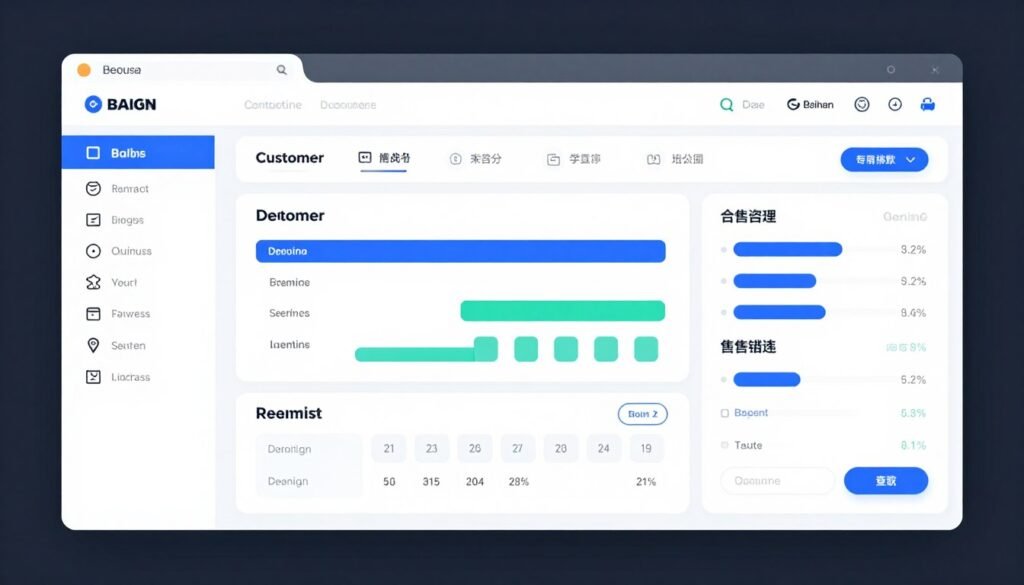
Picking the perfect stack for your organization requires a strategy that avoids software clutter. You need digital tools that communicate with each other to keep operations smooth. This prevents your team from feeling overwhelmed by too many icons on their screens.
Why a Unified Platform Beats Multiple Disconnected Apps
Relying on a fragmented stack causes severe data lag across your company. Marketing cannot see what sales is doing, and service reps operate without any context. A unified system eliminates these blind spots completely and keeps everyone on the same page.
Imagine a customer calls support with a billing question. In a disconnected business, the rep must put them on hold to log into a separate billing app. They might even have to message the sales team through another technology to find the original contract.
A unified platform removes this friction by providing a single source of truth. When your tools are connected, every employee has complete context immediately. Choose solutions that prioritize integration to ensure your workflow remains simple and fast.
Starting with a CRM as Your Central Foundation
Your business needs a solid foundation to succeed in the digital world. Selecting a centralized brain, or a CRM, is the most critical step you can take. This software serves as the master database for every customer interaction you ever have.
A CRM-first approach ensures that later digital tools fit into a clear architecture. It acts as the anchor for all other technology you might add as you grow. This central system prevents the common mistake of storing vital facts in messy, separate spreadsheets.
Having one system allows your staff to find answers in seconds. It builds a history of every email, call, and purchase in one place. Using simple tools at the start prevents massive headaches as your customer list expands.
Essential Features to Look For in Your Tech Stack
You should look for platforms that offer an all-in-one foundation. This ensures your marketing, sales, and service teams share the exact same data. High user adoption depends on an intuitive, easy-to-learn interface for your entire staff.
Great software must offer scalable infrastructure to grow alongside you. It should move from a one-person shop to a large team without replacing your digital tools. Modern solutions also include built-in AI to reduce manual busywork and repetitive tasks.
Prioritize tools that offer robust integration and easy mobile access. Clear and predictable pricing is also vital for a small company budget. These solutions and platforms will help you scale the right way without adding unnecessary complexity to your software suite.
Step 4: Implement Your Digital Tools in Manageable Phases
Breaking down your modernization plan into bite-sized pieces ensures your team stays productive. Many small businesses struggle because they try to change every system overnight, which often leads to total burnout. A phased approach reduces risk and allows your staff to adapt at a comfortable pace.
By rolling out tools in stages, you build vital confidence before moving to the next level of transformation. This method lets you fix minor issues in one department before they spread to others. It keeps your daily operations stable while you grow.
Real-World Examples of Successful Small Business Transformations
Looking at how other businesses handled their shift can provide a clear roadmap. These owners prioritized their biggest daily headaches to see immediate results.
The Local Boutique: Eliminating Sticky Notes with Unified Customer Data
One local boutique once tracked orders using messy sticky notes and physical receipts. This made finding customer data a nightmare during support calls or package inquiries. They implemented a unified CRM to link their e-commerce store to their service desk.
Now, full purchase histories appear instantly when a buyer emails. This change turned hours of manual searching into seconds of helpful experience. The owner now focuses on growth instead of firefighting administrative errors.
The Coffee Roaster: Automating Wholesale Order Management
A regional coffee roaster managed wholesale sales via disorganized text messages and phone calls. Staff had to manually type these orders into a separate billing tool. This transformation involved launching a digital ordering portal where cafes log in to place requests.
The new setup automatically updates inventory and sends invoices without manual entry. It freed the sales team to find new accounts rather than acting as data entry clerks. Errors vanished, and the fulfillment process became seamless.
The Plumbing Business: Going Mobile-First for Field Operations
A plumbing business replaced paper clipboards with a mobile-friendly app connected to their office. Technicians now update job statuses from the driveway on their phones. This shift in operations allows the office to text digital invoices the moment a job finishes.
They get paid significantly faster than when they waited for handwritten notes to be processed. The modern experience also makes the company look more professional to homeowners. It proved that even traditional trades benefit from smart technology.
| Business Type | Old Process | Digital Solution | Key Benefit |
|---|---|---|---|
| Retail Boutique | Sticky notes | Unified CRM | Fast customer support |
| Coffee Roaster | Text/Phone calls | Ordering Portal | Error-free sales |
| Plumbing Co. | Paper clipboards | Mobile App | Better cash flow |
Planning Your Phased Rollout Strategy
Success starts by choosing a high-impact, low-complexity use case to generate quick wins. This strategy builds momentum for small businesses and keeps the service team motivated. Focus first on the area where you lose the most time or money.
“The secret to progress is getting started, but the secret to getting started is breaking your complex tasks into small, manageable ones.”
Once your first phase is stable, expand into other parts of your management workflow. This gradual digital transformation ensures that your data remains clean and your team stays engaged. Measured growth always beats a chaotic, all-at-once overhaul for small businesses.
Step 5: Train Your Team and Drive Technology Adoption
No matter how advanced your new system is, its value depends entirely on your team’s willingness to use it. A successful business relies on more than just code during a digital transformation. If your employees do not embrace the change, the most expensive tools will simply gather digital dust.
Overcoming Employee Resistance to New Systems
Many employees resist change because they fear a heavier workload or a lack of job security. They often feel comfortable with old spreadsheets, even if those manual processes waste valuable time. To fix this, involve your team early in the evaluation process to build genuine buy-in and trust.
Show them exactly how the new technology makes their daily tasks easier and much faster. When people see a personal benefit, they are much more likely to support the overall transformation. Strong leadership requires listening to these fears before forcing a technical solution.
Addressing concerns transparently prevents the team from slipping back into inefficient manual habits. Make it clear that these updates are meant to empower people, not replace them. When staff members feel heard, their resistance typically turns into active participation.
Providing Effective Hands-On Training and Ongoing Support
Effective training should move beyond boring manuals or long, pre-recorded videos that people often ignore. Instead, use hands-on sessions where the team works with real business data in short, focused bursts. This approach helps employees master specific workflows without feeling overwhelmed by every single feature.
Successful digital transformation requires that you provide constant support during the first few weeks of adoption. This support ensures that the transformation sticks and that people feel confident using the new tools. Remember that ongoing training is a vital investment in your staff, not just a one-time event.
| Approach | Benefit | Result |
|---|---|---|
| Short Sessions | Prevents Burnout | Faster Learning |
| Real Data | Practical Context | Higher Retention |
| Peer Mentors | Ongoing Support | Better Culture |
Confidence grows when help is available the moment a question arises during the workday. Encourage early adopters to help their peers, creating a collaborative environment for learning. This continuous transformation of skills keeps your staff agile and ready for future growth.
Step 6: Leverage AI and Automation to Eliminate Busywork
Modern digital transformation reaches its peak when you stop doing repetitive chores and let software handle the heavy lifting. By integrating smart technologies, you can free your team from the boring tasks that drain their energy every afternoon.
Strategic innovation allows you to focus on growth rather than simple maintenance. You can now implement powerful tools that think and act faster than manual systems ever could.
Where AI Actually Fits in Your Small Business
Small owners do not need to hire expensive data scientists to see real results from AI. Instead, you can find these technologies already hidden inside the tools you use every day for your business.
Practical automation helps with specific processes like sorting incoming customer inquiries or scoring potential leads. You can also use it for automated data entry, predictive inventory, and quick report generation that saves precious time.
According to Deloitte, worker access to these tools rose by 50% recently. Furthermore, 66% of organizations reported significant productivity gains, proving that this transformation delivers measurable value to the bottom line.
Keeping Humans in the Loop While Automating Tasks
The true goal of a digital transformation is not to replace your staff but to give them better tools. You must keep a human in the loop to ensure your business maintains a genuine personal touch.
Effective automation works best when it creates a first draft for a person to review. This ensures that every customer interaction feels authentic while speeding up your internal processes.
By handing off administrative busywork, your team can finally focus on high-value creative goals. This shift significantly boosts overall productivity and allows for a deeper transformation across your entire company culture.
Step 7: Measure Results and Commit to Continuous Improvement
Tracking your progress ensures that your digital transformation remains a productive engine for your company. You must measure, adopt, and scale your practices to see real results. This stage turns raw information into a roadmap for future success.
Tracking the Right Metrics and Analytics
Data analytics allows you to examine diverse sets of information from your website and sales receipts. By using high-quality analytics, you can identify customer patterns. This helps you determine where to focus your marketing efforts.
A unified CRM offers reporting dashboards that show if a specific process saves time. You can see if your team is closing deals faster. Use these reporting tools to:
- Monitor your sales cycle length and conversion rates.
- Track customer retention rates and satisfaction scores.
- Identify operational bottlenecks that slow down your team.
Regular reviews let you fix a failing transformation before it costs too much. Applying data analytics helps you understand how customers find your business. Consistent analytics use reveals patterns in your data that lead to better decisions.
| Category | Metric to Track | Expected Outcome |
|---|---|---|
| Efficiency | Time per manual task | Reduced operational waste |
| Revenue | Average deal size | Increased sales volume |
| Experience | Average response time | Higher customer loyalty |
Understanding That Digital Transformation Never Truly Ends
The term digital transformation often implies there is a final finish line. However, this transformation is a continuous journey of building organizational muscle. You are never truly finished because technology never stops evolving.
Maintaining this mindset fuels sustainable growth. Use data to learn and adapt faster than your rivals. Strategic transformation leads to growth by keeping your operations agile and modern.
Digital success is about how well you leverage data analytics to refine your business. Refined analytics provide the data you need to make smart choices. Ongoing analytics keeps your company ahead in a changing market. Data analytics is the permanent foundation for your success.
Common Pitfalls to Avoid During Digital Transformation for Small Business
While the path to modernization offers many rewards, several frequent mistakes can derail even the most well-intentioned digital transformation. Knowing these traps helps you protect your investment and ensure long-term success.
Many owners feel overwhelmed by the demands of ownership, but optimizing your presence is not as daunting as it seems. Avoiding the following errors will help your business reach more customers and foster sustainable growth.
Buying Too Many Disconnected Point Solutions
Many small businesses fall into the trap of purchasing separate technologies for every minor task. You might buy one tool for email and another for project management, creating a tangled web of systems.
Constant app-switching drains productivity and increases monthly costs. Manually moving data between tools that do not integrate leads to errors and wasted effort. Choosing a unified platform prevents this chaos and keeps your business organized and efficient.
Neglecting Employee Buy-In and Change Management
Even the best software will fail if your team refuses to use it. Many leaders forget that digital transformation is about people as much as it is about code. Neglecting change management often results in frustration and low adoption rates among your employees.
When people feel excluded from the process, they often stick to old, manual habits. You must provide clear training and support to help everyone adapt to new solutions. Addressing concerns early ensures that the staff supports the new direction of the company.
Underestimating the Time and Resource Investment
Some owners expect instant results and fail to allocate the necessary resources. Modernizing your operations requires a dedicated block of time for planning, testing, and troubleshooting. Rushing through the stages often leads to hidden costs and system failures later.
You must account for the learning curve as your staff becomes familiar with new technologies. Sustainable transformation happens in phases, which helps manage overall costs. By setting realistic timelines and providing enough resources, you protect your staff from burnout and ensure a higher return on investment.
Conclusion
Digital transformation small businesses need is not a complex technical hurdle. This transformation small businesses undertake is a permanent state of learning. It allows your small business to adapt faster than any business rival.
A successful business digital strategy helps you deliver superior customer experiences. This digital transformation small effort builds customer loyalty and allows a small business to grow. You can use modern technologies to modernize your company without a massive IT department.
Modern cloud solutions allow small businesses to start their small business digital journey. These cloud services provide enterprise-grade capabilities through affordable monthly subscriptions. You can scale your digital tools as your small business expands over time.
Every digital transformation small step leads to better business digital results and more efficient services. This transformation small process involves challenges like learning curves and employee resistance. However, a structured transformation approach helps you navigate these obstacles through incremental wins.
Evidence shows that transformation small businesses saw eight times the revenue growth of others. This success comes from better marketing, streamlined sales, and improved customer service response times. Using cloud information to drive decisions improves overall productivity and keeps customers happy.
Your small business digital evolution requires marketing and sales teams to share information via the cloud. This digital transformation improves the experience your customers receive during every interaction. Reliable customer service remains the foundation of a business that uses modern technologies.
Finally, digital transformation small focus should remain on the customer. This transformation small mindset ensures small business digital success. Every transformation small businesses project should improve customer service and the overall experience for your customers.
Use cloud services to improve your marketing reach. This digital transformation path helps small businesses compete at a high level. Your small business can start this transformation today to secure a better future.
Commit to a transformation small journey that values agility. This digital transformation ensures your business digital systems stay updated. A transformation small businesses strategy is the best way for a small business to thrive. Ongoing transformation is the key to lasting success.