
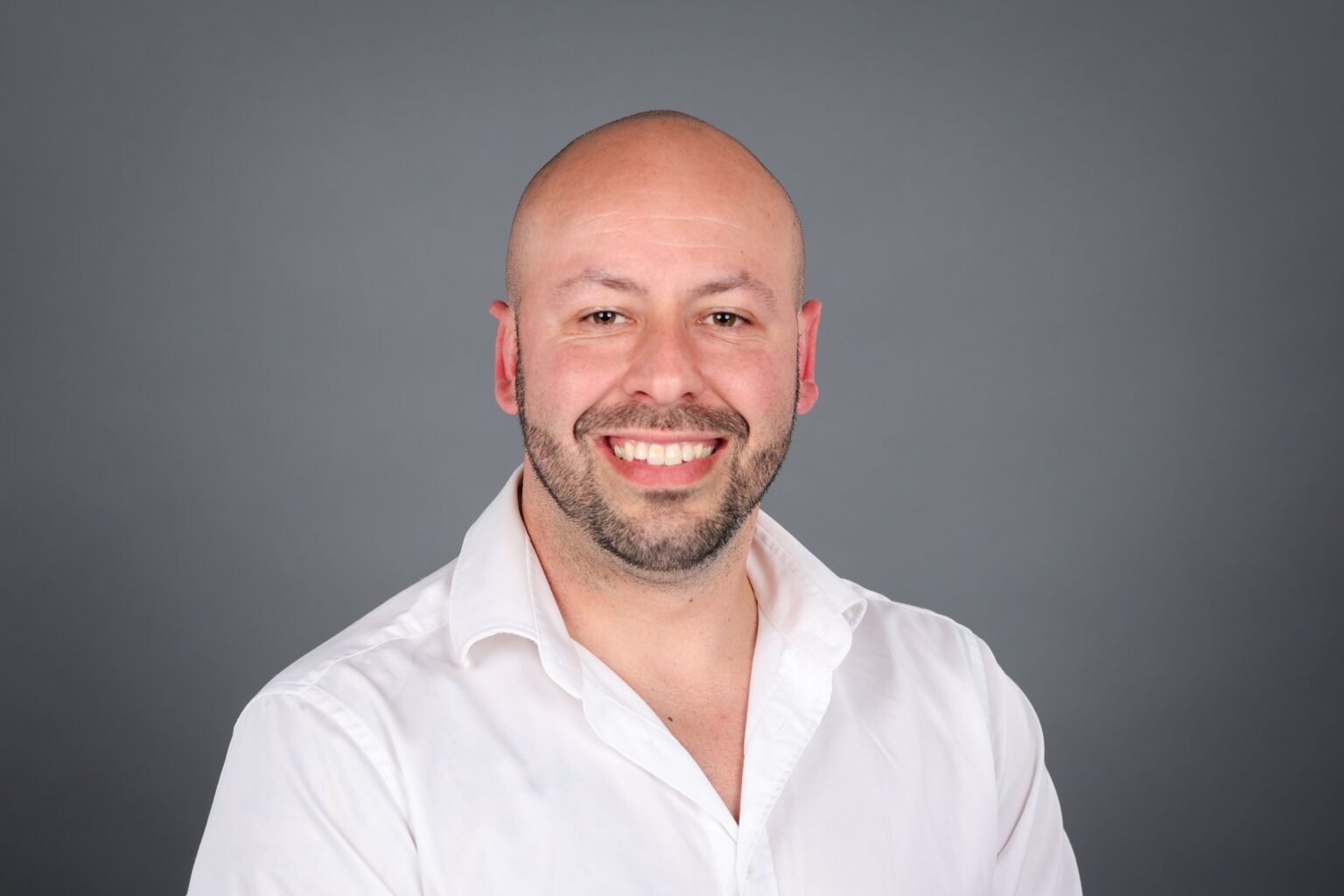
Anthony Moreno: Fitness should support life, not define it
Anthony Moreno is the Owner/ CEO of The Fusion House, an unconventional fitness facility for people over 50 offering one-on-one and group training. Moreno argues that exercise should help people live better, and that gyms should start with what clients want from life rather than what they think is wrong with their bodies.
Fitness professionals can make exercise more accessible by connecting training to goals people care about, such as staying independent or enjoying time with family. Moreno says coaches should challenge clients without making them feel inadequate.
What’s one opinion about your industry that most of your peers would disagree with?
I think the fitness industry has confused intimidation with motivation. We’ve created an environment where people feel they need to be in shape before they can even walk into a gym. Everything is about pushing harder, looking better, lifting heavier, or achieving some dramatic transformation. But what about the person who just wants to climb a flight of stairs without getting winded? Or someone who wants to get on the floor and play with their grandchildren?
One of my biggest frustrations with the industry is that we’ve turned fitness into an identity rather than what it actually is: a tool. I don’t believe everyone needs to love fitness, and frankly, I don’t think they should have to. I often compare the human body to a car. You’d be surprised how many people tell me they’ll hire a personal trainer once they’re in better shape. That’s like saying, "I’ll take my car to the mechanic once I’ve figured out how to fix it myself." It makes absolutely no sense, yet somehow we’ve normalized that way of thinking.
Exercise is supposed to help you live your life, not become your entire life. The industry’s job shouldn’t be to turn everyone into fitness enthusiasts. It should be to help people live better lives, whatever that means to them.
That philosophy eventually became the foundation of my business, The Fusion House, and my book, Fitness Sucks!, which challenges the idea that people need to love exercise to benefit from it.
What convinced you? Tell us about the moment, client or result that changed your mind.
It wasn’t one particular moment, but there was one client who really reinforced what I’d been seeing throughout my career.
A gentleman came to me in his early 70s, feeling completely defeated. He’d been an athlete for much of his life, even playing basketball at the collegiate level, but age and various physical challenges had convinced him that his days of being active were behind him.
I’d been training his wife for years, and after watching her progress, he finally approached me to ask whether I could help him. What struck me wasn’t his physical limitations. It was his admission that he’d wanted to start training much earlier but was too embarrassed. He genuinely believed he was simply too old to start.
Years later, he’s still training with me. With an approach that respects his individual needs and involves collaboration with his healthcare providers when appropriate, he’s made remarkable improvements in his strength, mobility, and overall physical capabilities.
But here’s what matters most to me: none of that progress would have happened if he’d continued believing he didn’t belong in a gym.
Here was a former college athlete who had convinced himself that his age and physical limitations meant his days of being physically capable were behind him. And that’s precisely the problem I have with how our industry presents fitness.
He didn’t need someone to remind him of everything his body could no longer do. He needed someone willing to help him discover what he could still do.
His story reinforces why I believe fitness should be a tool for living, not an identity reserved for a select few. We shouldn’t be asking people to become fitness enthusiasts. We should be helping them recognize what’s possible for them, regardless of where they’re starting.
What’s the usual way people in your field handle this, and what do you do instead?
The traditional approach is to sell people on what they’re lacking. Lose the weight, build the muscle, fix your body, become a better version of yourself. There’s always this underlying message that who you are right now isn’t good enough.
I take a different approach. I want to understand what someone actually wants out of life before I start telling them what they need to do in the gym. Maybe they want to stay independent as they get older. Maybe they’re a business owner who’s constantly exhausted. Maybe they just want to feel comfortable in their own body.
At The Fusion House, we offer different ways for people to participate because not everyone needs or wants the same experience. I don’t believe in forcing people into a fitness model. I believe in building a model that can meet people where they are while still challenging them to progress.
And don’t misunderstand me, we train hard. I believe in discipline, accountability, and effort. But there’s a difference between challenging someone and making them feel inadequate.
Where has this view cost you, or where have you had to admit you were partly wrong?
When I first became a personal trainer, I fell into the same trap I’m criticizing today. I wanted to train models, celebrities, and influencers. I embraced the whole "go hard or go home" mentality because, frankly, that’s what I thought success in the fitness industry looked like. I wasn’t necessarily approaching the people who needed my help the most. I was chasing the clients who would look good on my social media.
The irony is that many of those clients wanted free training in exchange for "exposure," had very little consistency or long-term commitment, and were often more concerned with how their workouts looked online than what they were actually doing for their health. From a business standpoint, it was a terrible strategy. I was chasing visibility instead of building a sustainable client base.
But the bigger realization was personal. I started looking at myself and thinking, "I’m becoming a bit of a douchebag." I was so caught up in the image of being a successful trainer that I’d lost sight of why I wanted to help people in the first place. Even when I was making money, I wasn’t getting much satisfaction from the work because I didn’t feel like I was making a meaningful difference.
Eventually, I realized that the people I’d been overlooking were often the very people who genuinely valued the service, were willing to invest consistently in their health, and wanted a long-term relationship with someone who could help them improve their lives.
I had to admit that I’d confused looking successful with actually building something successful. And those are two very different things.
What should someone in your field stop doing, and what should they start doing?
Stop assuming that people who don’t exercise are lazy, unmotivated, or simply lack discipline. That’s an incredibly narrow way of looking at a much bigger problem.
Start asking why people aren’t participating in the first place. Is it intimidation? Cost? Time? A previous bad experience? Do they have a physical limitation? Or have we simply failed to show them how fitness connects to something they actually care about?
I’d also encourage fitness professionals to stop measuring their value solely by how hard they can push someone. A great coach isn’t necessarily the person who can make you the most exhausted. It’s the person who understands what you’re trying to achieve and knows how to help you get there.
Ultimately, I think the industry needs to spend less time selling people a different body and more time helping them build a better life.
Thank you to Anthony Moreno and the team at The Fusion House for sharing an honest view with Leaders Perception readers.
Have a view your industry needs to hear?
Leaders Perception publishes interviews with business owners and leaders who see their industry differently. Five questions, about ten minutes, no calls. It is free and every completed interview gets published.