
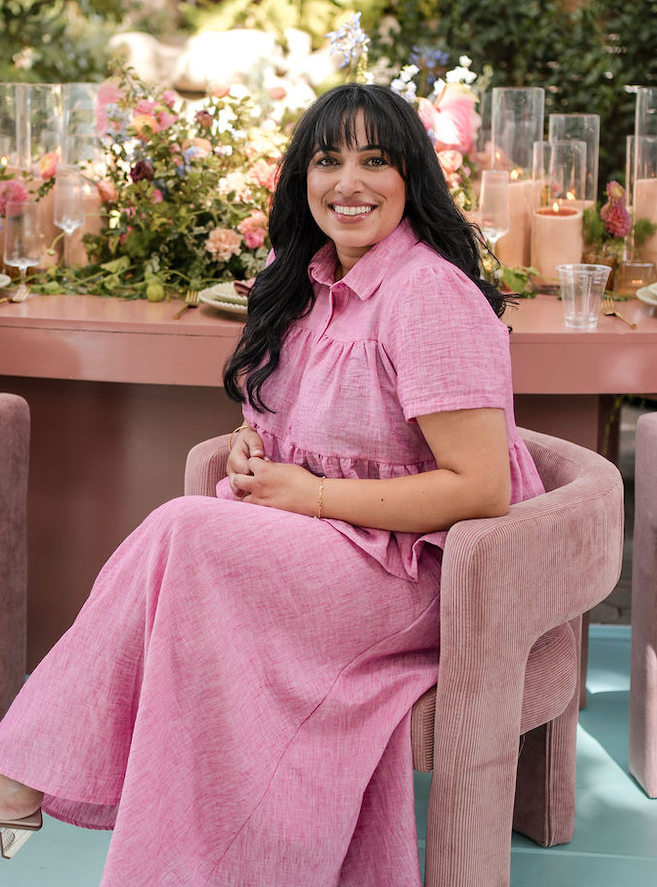
Why Raman Bains says wedding design should start with logistics
Raman Bains is CEO / Creative Director of Home in Stone Events, a Northern California wedding planning and event coordination company, and Brownstone Gardens, an outdoor event and wedding venue in Oakley, California. Bains argues that logistics should shape wedding design from the start, because beautiful details cannot make up for a stressful guest experience.
Design decisions work best when they account for the venue, guest flow, staffing, rentals and budget from the outset. For Raman Bains, logistics are part of the creative work, helping the design deliver the experience a couple wants.
What’s one opinion about your industry that most of your peers would disagree with?
A beautiful wedding that looks like it’s straight out of Instagram doesn’t necessarily mean it’s a successful one. Design and ambiance are important, but so are logistics, timelines, communication, and execution. A wedding can look incredible but still feel disorganized or stressful. Ultimately, both the design and the experience matter equally to curating a day that does what it’s meant to do above all: celebrate a great love story.
What convinced you? Tell us about the moment, client or result that changed your mind.
Picture this: We’re at the most iconic venue…the room is set, the candles are lit, and the florals smell amazing, but the catering team doesn’t have the proper chafing dishes for the buffet, and there aren’t enough bartenders to accommodate the guest count, resulting in long wait times. Guests enter, find their seats and find themselves flustered within a few minutes when food and drink aren’t available. In those moments, all the beautiful details can fall short because the overall guest experience has been compromised. The Pinterest board-esque photos will give the perception of a successful wedding, but what really matters is how it was experienced – by guests, by the couple and by other vendors.
What’s the usual way people in your field handle this, and what do you do instead?
One of the most exciting parts of planning a wedding is looking through inspirational ideas, imagining the room, choosing the flowers, and dreaming up the lounge, photo booth, and all the beautiful details that make an event feel special. While I love that part of the process, I approach design with function first. Before thinking about color palettes, florals, and decorative details, I consider what the venue already has, how we can use those elements to the couple’s advantage, what needs to be brought in through outside rentals, and how the room will function and flow throughout the event. I believe logistics should inform the design. You may not always see the logistics, but you will certainly notice when they’re missing. A function-first, logistics-driven approach has always been at the core of my philosophy.
Where has this view cost you, or where have you had to admit you were partly wrong?
Clients often come in with a grand vision for their wedding, and part of my role is to play devil’s advocate. That means being honest about why certain ideas may not work, where a design choice might create logistical challenges, or where their budget could be better spent. It’s not always a fun position to be in when you’re the person questioning the beautiful ballroom or suggesting a different approach, but I believe it’s an important part of serving my clients well. At the same time, it’s equally important to respect a couple’s choices, lean into their ideas, and help determine the best way to bring them to life. It’s not about steering couples away from what they want, but helping them understand what it takes to execute those ideas well. I love beautiful design and all the aesthetics that come with it, but I also know that a well-executed event has a much greater impact on the overall experience. My job is to help couples make decisions that look good, make sense, and ultimately serve their day.
What should someone in your field stop doing, and what should they start doing?
Consider the aesthetics alongside the practical elements of a wedding, making sure the ideas being presented are realistic for the couple’s budget, venue, and overall event. Creating something beautiful is important, but so is being practical and transparent with clients throughout the process. Make education part of the experience. Help couples understand what goes into bringing their vision to life, from pricing and logistics to execution. The more informed a couple is, the better decisions they can make about where to invest their budget and what will ultimately serve their wedding best.
Thank you to Raman Bains and the team at Company 1: Home in Stone Events / Company 2: Brownstone Gardens for sharing an honest view with Leaders Perception readers.
Have a view your industry needs to hear?
Leaders Perception publishes interviews with business owners and leaders who see their industry differently. Five questions, about ten minutes, no calls. It is free and every completed interview gets published.