
Why Shane SantaCroce says businesses should answer calls before buying more leads
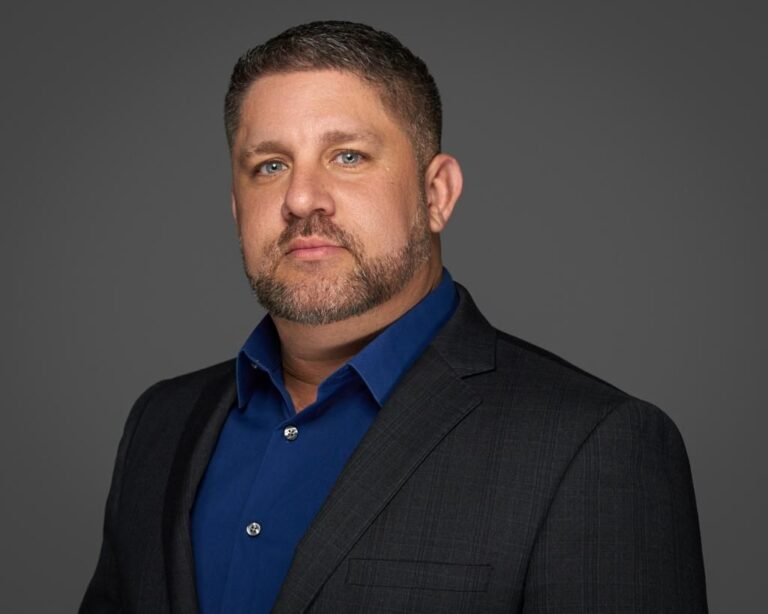
Shane SantaCroce, founder and CEO of Vocal Seek, works with local businesses on voice search and AI-powered customer response. SantaCroce argues that businesses should fix missed calls and slow follow-up before spending more to attract leads, while recognizing that response alone cannot create demand.
Before increasing marketing spend, check whether the business responds quickly to calls and enquiries it already receives. Improving response can make existing demand count, but it cannot replace traffic when too few people are reaching out.
What’s one opinion about your industry that most of your peers would disagree with?
Most small businesses don’t have a lead problem. They have a response problem. My industry makes its money selling more: more ads, more leads, more content, bigger retainers. I won’t sell an owner more traffic until they’re answering the calls they already get. Most agencies would call that leaving money on the table. I call it not setting the client’s money on fire.
What convinced you? Tell us about the moment, client or result that changed your mind.
A restaurant client of ours in Coral Springs. When we looked at their phones, they were missing around half of their calls. Friday night, the host stand is slammed, the phone rings, nobody picks up. Every one of those calls was somebody ready to book a table or place an order.
We didn’t touch the ads. We built a fully automated AI system to answer the phone for reservations and takeout. Weekend reservations went up 18%. Weekday walk-ins went up 42%, mostly people calling to ask if it was busy, getting an answer, and coming in. Takeout revenue went up 31%. Same marketing, same budget. The only thing that changed is somebody answered.
What’s the usual way people in your field handle this, and what do you do instead?
The usual way is: leads are down, so spend more. Turn up the ads, launch a new campaign, post more content. Almost nobody checks what happens after the phone rings.
I start at the back end. Before we spend a dollar on traffic, I want to know how many calls are getting missed, how fast form leads get a response, and what happens after hours and on weekends. Then we fix that first: AI answering the phone, an instant text back on every missed call, and fast follow up on every form. Only then do we turn up the traffic. Harvard Business Review audited 2,241 companies and found 23% never responded to an online lead at all. You can’t out-advertise that.
Where has this view cost you, or where have you had to admit you were partly wrong?
It costs me deals up front. An owner who comes in asking for more leads doesn’t always want to hear that his phone is the problem, and some of them walk and go buy leads somewhere else. In many cases, fixing response was enough on its own, not always. If nobody’s calling, answering faster doesn’t help. Response comes first, then traffic, but you need both.
What should someone in your field stop doing, and what should they start doing?
Stop selling volume as the answer to everything. Stop reporting clicks and impressions to owners who only care about booked jobs and paying customers.
Start measuring missed calls and speed to lead like they’re revenue, because they are. Start every new client with a simple test: call the business yourself after hours or on a Saturday and see what happens. And use AI where it pays first. For most small businesses that’s answering the phone, not writing more content.
Bottom line: more leads won’t fix a phone nobody answers.
Thank you to Shane SantaCroce and the team at Vocal Seek for sharing an honest view with Leaders Perception readers.
Have a view your industry needs to hear?
Leaders Perception publishes interviews with business owners and leaders who see their industry differently. Five questions, about ten minutes, no calls. It is free and every completed interview gets published.