
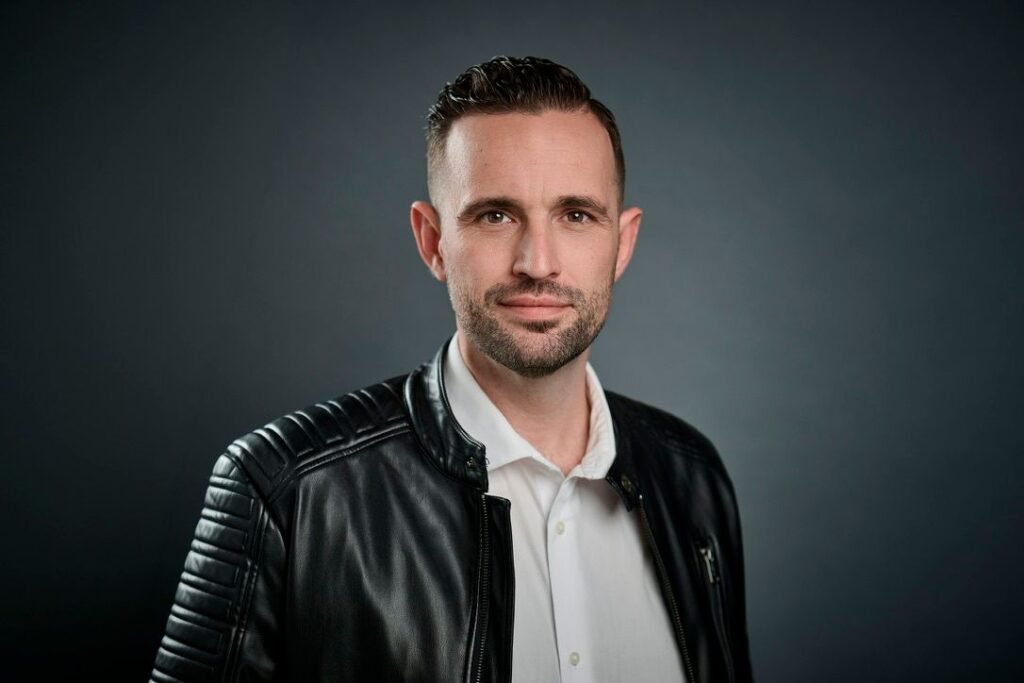
Torsten Schiefen: test AI tools on real work, not demos
Torsten Schiefen is co-founder of Orion AI LLC, an AI consulting firm in Palm Coast, Florida, that helps small businesses with AI consulting, websites and AI assistants. Schiefen argues that businesses should test AI tools on real work rather than trust polished demos, a view shaped by audits of systems and reports.
A convincing demo or clean dashboard is not evidence that a tool works in the workflow that matters. Schiefen’s approach is to test one real task, verify what the system actually accessed, and fix underlying problems before adding features or scaling.
What’s one opinion about your industry that most of your peers would disagree with?
Most people in my field buy an AI tool after they watch the demo. I don’t buy that way. My unpopular opinion is simple: don’t trust the demo. Test the tool on the one task you actually need, on your own work, before you pay or before you act on what it tells you.
Demos get more polished every month, and more and more of them are made with AI, while the products often don’t keep up. I see that in apps and mobile games alike. A feature list shows what the vendor wants you to see. The one real task shows you whether the product works. That’s how I buy tools at Orion AI.
What convinced you? Tell us about the moment, client or result that changed your mind.
The moment was a dashboard, not a conference talk. On August 30, 2026, our system at Sitomat showed 653 leads, 2 previews and 0 invoices. Sitomat is the small business website company I co-founded. It looked like a sales failure. When I audited our own code on September 3, 2026, I found real bugs in the path from lead to preview and invoice. Part of the gap was also that some customers paid by bank transfer, outside the system, so it couldn’t see sales that had really happened.
The dashboard wasn’t the business. That is what convinced me to test the one task that has to work, not the number that looks good on a screen.
What’s the usual way people in your field handle this, and what do you do instead?
The usual way is to watch the demo, tick the feature list and trust the first report. I pick the one task I actually need and run it on the real system instead.
For an AI analysis, I ask what the agent would have had to touch to know this, and whether it actually did. On October 2, 2026, an agent audited the servers at Sitomat. An early draft counted more machines than we had. After it logged in, 8 remained. Two "extra servers" were just second IP addresses of machines we already had. Both addresses returned the same machine ID. Another box belonged to a different project.
Where has this view cost you, or where have you had to admit you were partly wrong?
This view costs time, and I accept that. At Sitomat we could have scaled sooner. On October 2, 2026, we made October and November our learning months, and planned to scale to a broader market in January 2027, after the test, not before. I chose that delay.
Where I was partly wrong is that I used to add features faster than I checked the basics underneath them. The September 3 audit found problems that never show up in a demo. On October 2 I told my partners I’d make the existing system fast and secure before any new feature went in. Testing first is slower at the start. It’s cheaper than scaling a system you have not actually walked.
What should someone in your field stop doing, and what should they start doing?
Stop buying AI tools because the demo looks finished. Stop treating a dashboard or a first AI report as the business. Start with one real task. Walk the path a customer actually takes.
And put the rules where the tool has to answer you. On the Orion AI company blog, agents write the articles and the publishing API returns SEO warnings with every response. A problem shows up in the draft, not weeks later. Each token can create at most 20 articles in 24 hours. Since November 14, 2026, that agent has written more than 30 articles. I still approve every one.
Thank you to Torsten Schiefen and the team at Orion AI LLC for sharing an honest view with Leaders Perception readers.
Have a view your industry needs to hear?
Leaders Perception publishes interviews with business owners and leaders who see their industry differently. Five questions, about ten minutes, no calls. It is free and every completed interview gets published.