
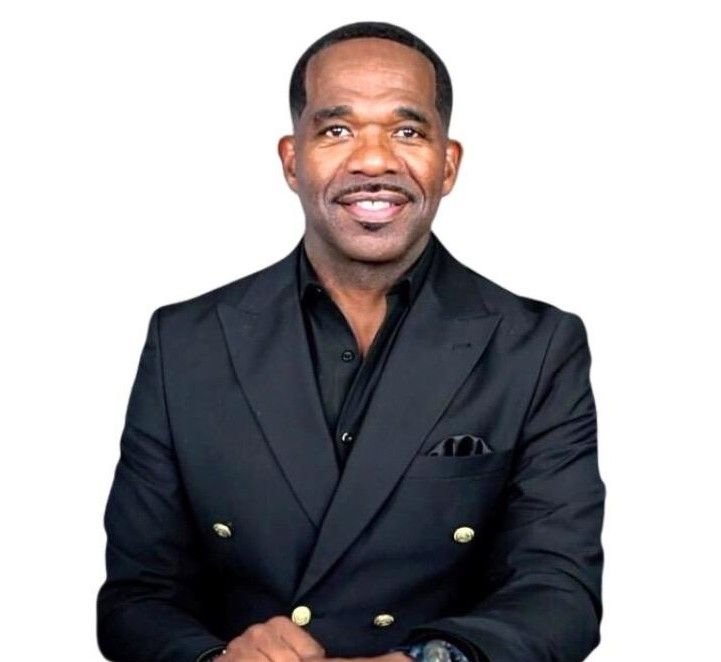
Why Larry Jones thinks market educators should stop selling urgency
Larry Jones is Founder & Host of STOCK UP! with Larry Jones, a stock market education brand for people who are new to investing. In this conversation, Jones explains why market coverage should teach people to read headlines rather than rush to react, and where his own “do nothing” advice needed qualification.
Market educators can help beginners by explaining what economic news measures and how to assess its relevance, rather than treating every announcement as a prompt to trade. Jones also distinguishes avoiding impulsive reactions from ignoring real exposure, such as a variable-rate loan or a near-term savings need.
What’s one opinion about your industry that most of your peers would disagree with?
Most of my industry competes on being first with the headline, and I think that habit quietly makes beginners worse at investing. The race to cover every Fed day, every CPI print, every earnings surprise the minute it lands teaches new people that the market is a stream of events they have to answer to. Most of the time, the right response to a headline is nothing.
I came to this through my own inbox. An avid viewer of my YouTube channel messaged me after a rough options trade he’d placed minutes after a scary headline. He’d watched several recaps that morning, each one a little more urgent than the last, and by the time he clicked buy the feeling of needing to act had already made the decision for him. He wasn’t careless. He’d been fed urgency all day by people doing exactly what the algorithm rewards. I feel that pull too, honestly. Urgent titles get clicks and calm ones don’t, and I’ve watched my own numbers prove it more times than I’d like.
So at STOCK UP! with LARRY JONES I do something that probably looks like bad strategy from the outside. When I cover a Fed day or a CPI print on my show, I spend most of the video on how to read it rather than what it did to prices. What the number actually measures, why people expected a different one, why the first move so often reverses, why a beginner can usually let the whole thing pass without touching anything. It’s education and mechanics, never a trade call. My other ventures, Money Moves and Stock Up U, are built the same way. My goal is that someone gets better at reading the news instead of becoming dependent on me for the interpretation.
What convinced you? Tell us about the moment, client or result that changed your mind.
One message from a viewer on a Fed day changed my mind, and the line that did it was five words long. "I was just catching up."
I’d put a recap up fast that afternoon, the way I always did back then. That evening he wrote me. He’d watched my recap, then a couple of others from different channels, each one a little more urgent than the last. Somewhere in the middle of the third video, he bought a short-dated call option. The first move after the announcement faded within the hour (which first moves on those days usually do), and by the time he looked again, the option had dropped sharply. He knew what a call was. What he didn’t know was that an option with only days left bleeds value fast, even when the stock just sits there doing nothing.
The loss wasn’t what stuck with me. It was how he described the moment of buying. He said it didn’t feel like a decision. It felt like everyone else already knew something and he was late.
I wrote back and asked what he would have done if none of those videos had existed that day. He said probably nothing, then went quiet for a bit. After that, I watched my own recap with the sound off. The title, the thumbnail, my serious face, and all of it said something big just happened, and he’d better pay attention. I never told him to buy anything. I didn’t have to, because the format did the pushing for me.
That’s the day I stopped treating speed as a service. A Fed day video at STOCK UP! with LARRY JONES now spends most of its time on what the number actually measures, what people expected instead, and why the first reaction is such a poor guide to what comes next. Education and mechanics that’s what I always say, never a trade call. It gets fewer clicks but I’ve made peace with that.
What’s the usual way people in your field handle this, and what do you do instead?
Most Fed day coverage is built for speed, and honestly, I built mine that way for a while too.
The common approach for YouTubers is a bold title, urgent tone, recap up within the hour, usually with a live stream running through the announcement. Everything centers on what prices just did, because price moves keep people watching. I get it. Fast recaps get clicks and calm ones don’t.
What I do at STOCK UP! with LARRY JONES is a bit different. I open the video with what the Fed was actually deciding, what people expected going in, and why a surprise carries more weight than the decision itself. From there I explain why that first price move so often fades once people sit down and read the statement closely. And then I say the line most of my peers would cut, which is that for the average beginner the right response to Fed day is no response at all.
One viewer in the video’s comment section told me that after reading a Fed statement himself with the video off. He said it was the first time a Fed day felt calm to him. That’s the result I’m after!
Where has this view cost you, or where have you had to admit you were partly wrong?
A viewer with a variable-rate loan wrote to tell me my "do nothing" advice felt dismissive and he was right. He also had cash he needed within the year, so a Fed day really did touch his life. I had leaned so hard on the idea that the right response for most beginners is no response that it had hardened into a slogan. That’s the part I got partly wrong. The other cost is plainer. A calm Fed day video doesn’t travel like a loud one, and some viewers left because they came for the adrenaline and I wasn’t selling it. I knew that going in.
These days at STOCK UP! with LARRY JONES, I separate reacting from checking. Reacting means buying or selling off the first move. Checking means asking whether your own situation depends on rates, like a loan or a savings timeline, and taking that to a licensed professional if it does. Education and mechanics, never a trade call. I still think calm is a good default for stocks and options beginners. I just don’t treat it as a rule anymore.
What should someone in your field stop doing, and what should they start doing?
Stop treating urgency as a service. Most of us teaching markets online race to post the recap within the hour, with the red arrow thumbnail and the live stream through the announcement and I did it for years. A viewer once told me he bought a short-dated option in the middle of his third recap video that day, and it didn’t feel like a decision to him. It felt like everyone else already knew something. I never told him to buy anything. The format did the pushing.
What I’d start doing is teaching people to read the news instead of react to it. On a Fed day that means explaining what the Fed was actually deciding, why the first price move so often fades and how to check whether your own situation depends on rates, like a loan or a savings timeline, then taking that to a licensed professional.
Thank you to Larry Jones and the team at STOCK UP! with Larry Jones for sharing an honest view with Leaders Perception readers.
Have a view your industry needs to hear?
Leaders Perception publishes interviews with business owners and leaders who see their industry differently. Five questions, about ten minutes, no calls. It is free and every completed interview gets published.