
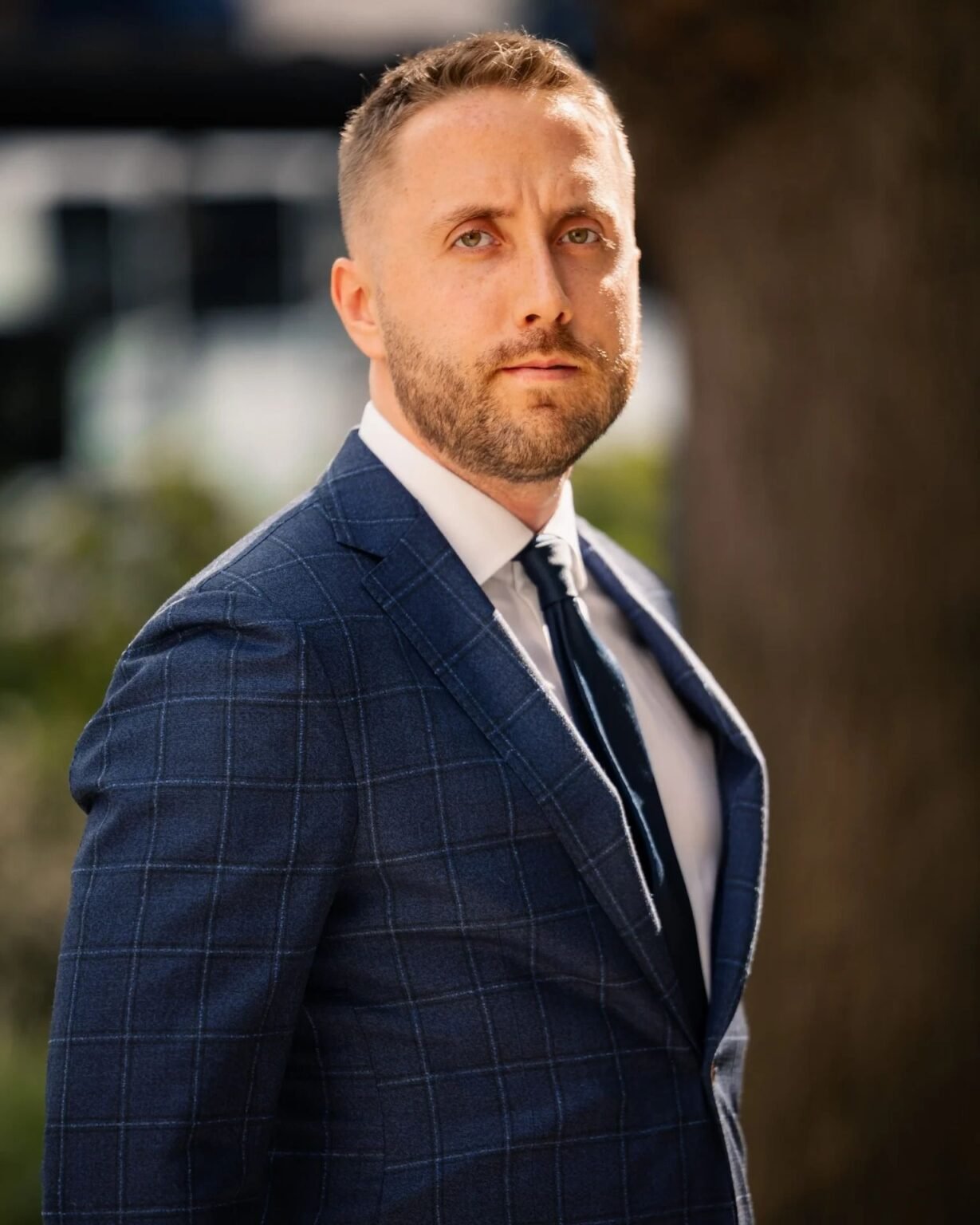
Why Rory Safir thinks criminal defense marketing should stop using fear
Rory Safir is Founder and Principal Attorney at Safir Injury & Criminal Defense Law, a St. Petersburg, Florida firm that handles criminal defense and injury cases. The conversation explores why Rory Safir avoids fear-based marketing, explains case evidence instead, and measures engagement by conversations and signed cases rather than likes.
Rory Safir’s approach is to explain evidence and deadlines without using fear, while judging marketing by calls, signed cases and referral conversations rather than views. Useful information matters, but posting alone has not been enough to build referral activity.
What’s one opinion about your industry that most of your peers would disagree with?
Criminal defense marketing runs on fear, and I think that’s wrong for clients. Many folks look for a defense lawyer the morning after an arrest, scared and searching on their phone. To me, the last thing they need is an ad that scares them more.
What convinced you? Tell us about the moment, client or result that changed your mind.
A scared person makes rushed decisions, and a person who understands their case makes better ones. When someone learns how a breath test machine actually measures alcohol, or what a roadside sobriety test is supposed to look like, the case stops being a mystery and starts being something they can think through. I went deep on that science, and I’m one of six attorneys in Florida designated a Forensic Lawyer-Scientist by the American Chemical Society. Once you can explain the evidence that clearly, fear stops being a useful sales tool. I also believe one hard night shouldn’t define an entire life, and fear makes that night feel bigger than it is.
What’s the usual way people in your field handle this, and what do you do instead?
The usual play is “aggressive” and “fight for you” ads, war imagery and the worst-case penalties up front. I go the other way. My content explains how the case actually works, like the breath machine, the roadside tests and the early deadlines that matter. I call the first meeting a strategy session instead of a consultation, and I give away the whole playbook in it. I don’t hold back information so someone is forced to hire me to get it. Someone should walk out of that meeting with a plan for their case.
Where has this view cost you, or where have you had to admit you were partly wrong?
Giving the whole playbook away means some folks leave with a plan and never hire me. I’m fine with that. I believe in access to legal advice for everyone, and my business does just fine.
Where I was partly wrong: I used to count on posting good information by itself. It isn’t enough. Posts alone did little for my firm. Comments, replies and real conversations with other lawyers are what bring referrals, and for clients I count calls and signed cases, not likes and views.
What should someone in your field stop doing, and what should they start doing?
Stop selling with fear. Drop the worst-case penalty headline and the “aggressive” badge. Start teaching. Explain how the evidence in your kind of case actually works, in words a scared person can follow at 2 a.m., and let them decide calmly. If you take anything from my answers, it’s that a calm client makes better decisions, and that’s good for the client and for the lawyer.
Thank you to Rory Safir and the team at Safir Injury & Criminal Defense Law for sharing an honest view with Leaders Perception readers.
Have a view your industry needs to hear?
Leaders Perception publishes interviews with business owners and leaders who see their industry differently. Five questions, about ten minutes, no calls. It is free and every completed interview gets published.