
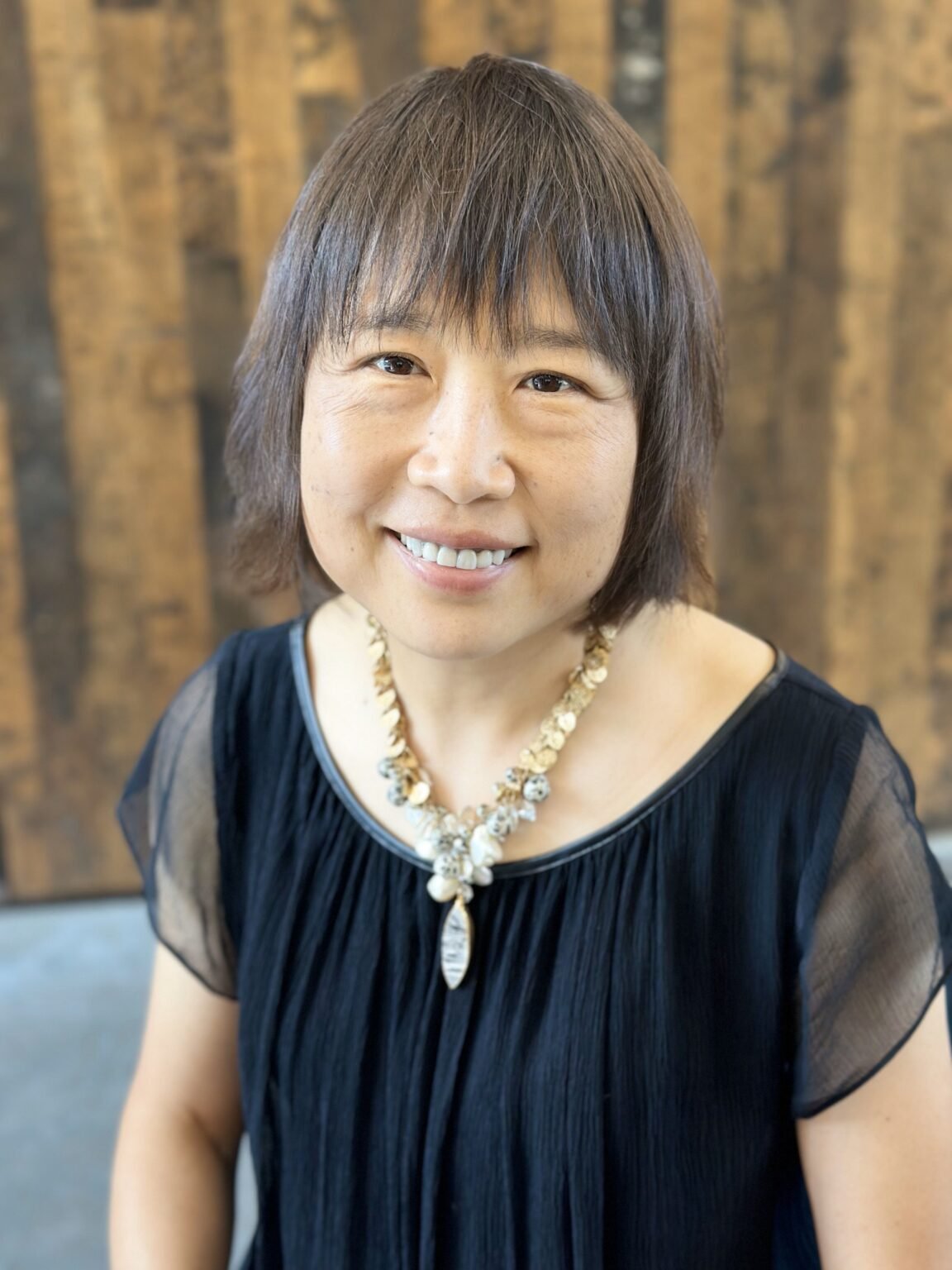
Why Angela Zeng thinks brands should consider making their own products
Angela Zeng is founder and CEO of Karviva Wellness Beverages, which makes low-sugar functional drinks from whole plants and botanicals. Zeng explains why Karviva built its own factory to make its formulations, and what the investment, regulation and ongoing process improvements have required.
Making products in-house can give a brand more control over its formulations, ingredients and production, but it also brings substantial investment, regulatory demands and a long-term commitment. Zeng advises testing the product concept and discussing the commitment carefully before putting family savings at risk.
What’s one opinion about your industry that most of your peers would disagree with?
Most brand founders outsource manufacturing without even trying to make it themselves. I strongly encourage people to consider manufacturing as an option.
What convinced you? Tell us about the moment, client or result that changed your mind.
When I started Karviva, co-packers told me my formulations were too unique to make. The alternative was changing my formulations to make them easier for co-packers to handle. If I did so, I wouldn’t be making Karviva drinks anymore. So ten years ago, I decided to build my own factory in St. Louis.
What’s the usual way people in your field handle this, and what do you do instead?
Most brands choose to outsource their production rather than build their own factory. I think most people would just change their formulation to make it easier for co-packers to handle. Because we have our own factory, we can make the drinks the way I designed them. Karviva drinks are very different from cold-pressed juice. They are based on traditional Chinese medicine, and we use low-temperature extraction to protect our formulations. We also have better control over production quality, especially when it comes to sourcing ingredients: making sure the right ingredient goes into the right drink, in the amount we need.
Where has this view cost you, or where have you had to admit you were partly wrong?
When I made that decision, I didn’t know I was tapping into such a heavily regulated industry. Not just beverage manufacturing, but building an industrial facility is regulated too: construction codes required by the city, factory production safety, and many requirements I had to learn and meet. It was a lot of investment, not just money but time and energy. Halfway through building the factory, I had many doubts about whether this was even the right path for me, and I was fortunate my husband was very encouraging. Looking back, if I wasn’t that determined, I probably wouldn’t have done it.
What should someone in your field stop doing, and what should they start doing?
Stop outsourcing manufacturing without even trying, and start considering manufacturing as a possibility. It is a big investment, so have an in-depth discussion with your family, and don’t use your family savings before you know the product concept can work. Owning your own manufacturing is also a long-term commitment to process improvement. Since I made the decision to handle our production ten years ago, I continue to find ways to improve the process, for example, since early this year, we have carried out a project with Saint Louis University to build an AI-based system to help us manage production, scheduling and forecasting.
Thank you to Angela Zeng and the team at Karviva Wellness Beverages for sharing an honest view with Leaders Perception readers.
Have a view your industry needs to hear?
Leaders Perception publishes interviews with business owners and leaders who see their industry differently. Five questions, about ten minutes, no calls. It is free and every completed interview gets published.