
How Research Clever built its business around reliability
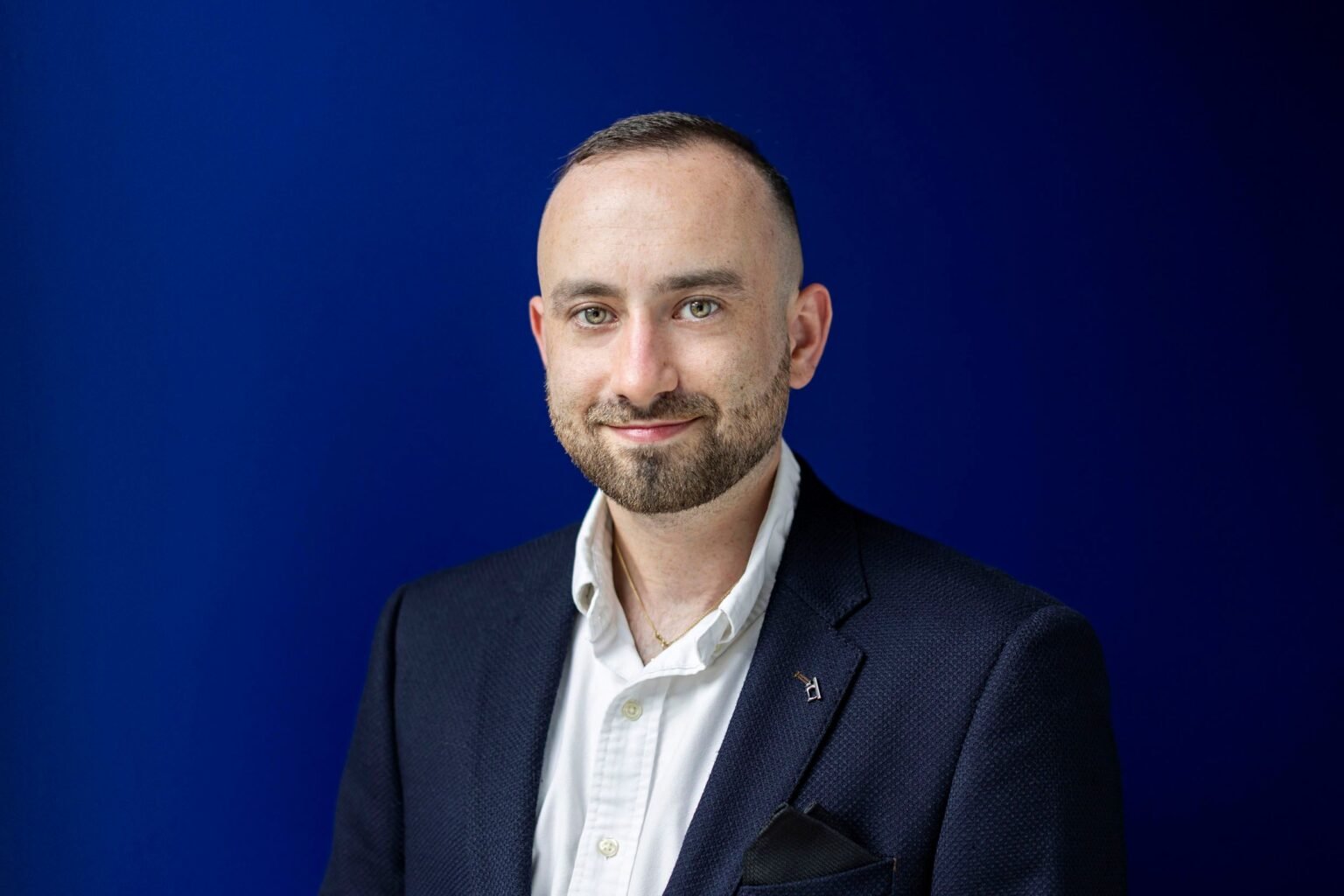
Ross Cafferkey explains how Research Clever, a London-based market research partner for agencies, consultancies and insight teams, built its approach around clear communication and dependable global data collection. The conversation looks at earning repeat business, investing in operations early and maintaining data quality as technology changes the work.
Reliable delivery and clear communication can earn repeat business, but growth also requires strong operational foundations. Investing in systems, quality assurance and the right expertise early can help a business scale without losing what clients value.
What’s the short story of how your business started, and what makes it genuinely different from the other options your customers have?
After nearly a decade of working in market research and research operations, I saw too many good projects affected by poor communication, unrealistic promises, inconsistent quality and a lack of ownership when things became difficult. I felt there was a clear opportunity to raise the standard. Not by reinventing market research, but by combining strong technical delivery with a better client experience, clearer communication and a genuine sense of responsibility for the outcome.
What I kept hearing from clients was that they wanted reliability. They wanted better communication and better judgement. They wanted a partner who would make difficult projects easier rather than adding another layer of complexity. With Research Clever, I set out to build a business centred on quality, transparency and strong delivery, and to become the kind of partner clients trust with their most important projects.
How did you win your first customers, and where does most of your new business come from today?
In the early days, most of our growth came through relationships, referrals and repeat business. The focus was simple: deliver well, build trust and give clients a reason to come back. Research Clever has been bootstrapped from day one, so growth had to come from creating genuine value for clients and earning the right to keep working with them. We concentrated on the fundamentals: being responsive, delivering what we promised, communicating clearly and taking ownership when challenges arose.
What’s one decision that changed the direction of your business, and one mistake that taught you the most?
One of the decisions that has mattered most was investing in operations, systems, tech and quality assurance before we desperately needed them. Our first permanent hire was an Operations Director. That was a deliberate decision because I wanted specialist operational expertise in the business from an early stage, rather than waiting until problems appeared and fixing them retrospectively.
Growth exposes weaknesses very quickly. When a company is small, you can often compensate for weak systems through effort. As the business grows, that stops working. Making that investment early helped us build much stronger foundations as we scaled. Another lesson has been learning to trust my instincts more and challenge conventional thinking when we genuinely believe there is a better way of doing something.
What has changed in your industry or in what your customers expect over the last couple of years, and how have you adapted?
Technology is playing an even bigger role in market research than it did when I started out nearly a decade ago, particularly around quality, efficiency and fraud prevention. AI and automation are creating some exciting opportunities, but they also make it more important than ever to focus on data quality and trust. Clients are increasingly looking for partners who can combine technology with strong judgement, transparency and delivery.
Despite all the innovation, I think the fundamentals remain the same. People still value reliability, clear communication and partners who take ownership. For us, technology is most valuable when it protects quality, removes low-value work and creates more value for the client.
If you were advising someone starting out in your industry today, what would you tell them to do first, and what would you tell them to ignore?
To make a long story short – focus on creating genuine value. If you see a gap in the market, think carefully about how you can provide something different and valuable. Don’t chase growth at any cost. Scale with intention, consistency and precision to maintain what made the business successful in the first place. Stay close to your customers and understand what they actually value. That’s incredibly important as a business evolves.
I’d also tell you to build strong foundations earlier than you think you need them (investing in operations, systems and the right people has paid dividends for us). Surround yourself with good people and learn from them too, because some of the best decisions come from listening to the people closest to the problem. You also rarely have perfect information. Sometimes you need to make the best decision you can, commit to it and adjust quickly if you get it wrong. And most importantly – growth only matters if you become better as you grow.
Thank you to Ross Cafferkey and the team at Carnsight Communications for sharing what actually worked with Leaders Perception readers.
Want to tell the story behind your business?
Leaders Perception publishes interviews with business owners and leaders every week. Five questions, about ten minutes, no calls. It is free and every completed interview gets published.