
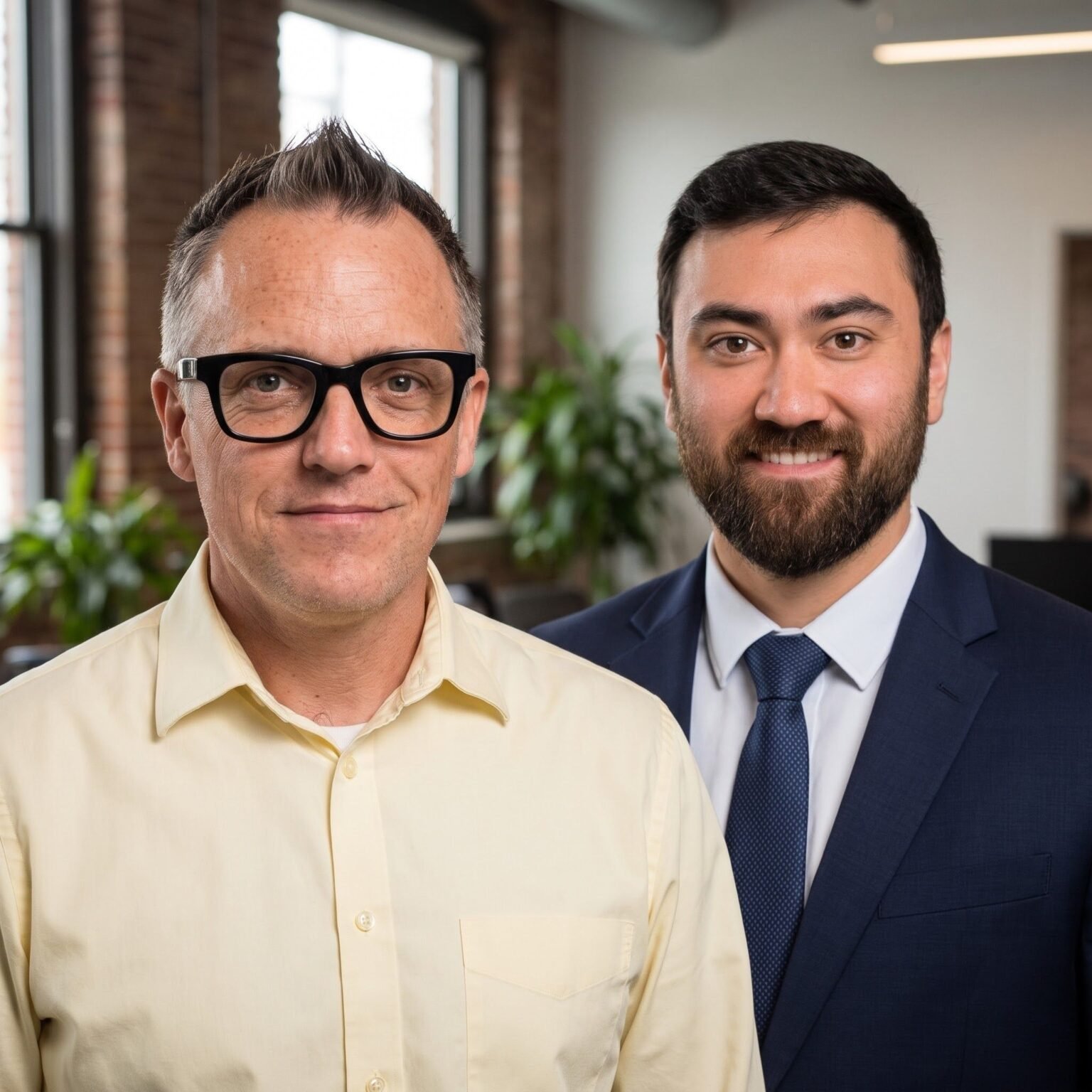
Scott Benson on building Apex Insights around hospitality data
Scott Benson is the founder of Apex Insights, which connects hospitality businesses’ existing systems in one app and works with AI tools customers already use. The conversation explores how visible results brought in customers, why data ownership and reversible changes matter, and what to check before adding another software tool.
Start with the systems a business already uses and find out who controls the data before buying or building more software. Tools should support decisions customers need to make, while changes remain reviewable and subject to human approval.
What’s the short story of how your business started, and what makes it genuinely different from the other options your customers have?
Chris: Apex Insights began with restaurants, bars and event spaces, where one business can run on a point of sale, a scheduler, a reservation system, accounting software and a website, all kept separately. We connect those systems, then build and run the app and website the business uses every day for its numbers, menus, staff, events and marketing. The data stays in the customer’s own cloud account, on their own bill. A person answers when something breaks, and every change in the app is logged and can be undone.
Scott: POS integration is only part of the job. We started by connecting systems the business already used. You’ve also got to decide who owns the data and what happens when someone changes it. At Apex Insights (https://www.getapexinsights.com), the data lives in the owner’s cloud account. For hospitality software, I’d want to be able to trace a change when something goes wrong. The log and the ability to undo it give you somewhere to start.
How did you win your first customers, and where does most of your new business come from today?
Chris: Our first customer was a multi-venue hospitality group. Their sales, labor and marketing sat in separate systems, so we connected them and built one app on top. Once it was running, people who saw it in use asked for the same thing. Most of our new business still comes that way, from owners and managers who have seen Apex running in a business they know.
Scott: The first customer’s app had to work across a hospitality group, using the systems they already had. Other owners could see that work before asking for it themselves. That’s a concrete way to judge restaurant analytics. You can look at what someone actually runs their business on. With new business still coming from those connections, there’s a reason to keep engineering focused on the people already using the app.
What’s one decision that changed the direction of your business, and one mistake that taught you the most?
Chris: In October we moved the writing and design of marketing work into our customers’ own Claude, which connects directly to Apex. Apex is where they run the business day to day: they see their sales and staffing, manage menus and events, schedule and send their marketing, and publish to their website. Claude reads the same data and prepares new work, and each change waits for a person to approve it. Our biggest lesson came from building a visual website editor and a chat assistant inside the app, then retiring both. People already had a tool they liked for making things, so we put our effort into the app they use to see, schedule and send the work.
Scott: The decision to move creative work into the customer’s Claude narrowed what we needed to build. We’d built an editor and a chat assistant inside Apex, then retired both. Customers already had a tool they liked for creating things. The mistake was duplicating that part of their workflow. Now Claude prepares work from the same business data, and a person approves each change. Before building another editor, I’d check what the customer already uses and where our app actually needs to fit.
What has changed in your industry or in what your customers expect over the last couple of years, and how have you adapted?
Chris: Owners now expect to ask a question and get an answer from their own numbers, and they expect their software to work with the AI they already use. Guests have also started finding businesses through AI search. We connected Apex to Claude, so a person can read their numbers and make their marketing there. We also publish structured data on every venue website, so search engines and AI tools can read its menus, events and hours.
Scott: AI search adds another reader for a venue’s website. A guest can read a menu on the page. An AI tool also needs to know what it’s reading. We publish structured data about menus, hours and events for that. Inside the business, owners want answers from their own numbers in the AI tool they already use. Connecting Claude to Apex supports that, but preparing a change and approving it stay separate. An answer about sales and a change to the business need different controls.
If you were advising someone starting out in your industry today, what would you tell them to do first, and what would you tell them to ignore?
Chris: First, list every system you pay for and find out who owns the data in each one. Get that data into one place you control before you buy anything new. Ignore dashboards with a chart for every number, and pick the few numbers you would act on this week.
Scott: Before you add another tool, pick a question you need answered this week and check whether you can get the numbers behind it. If you can’t, work out which system has them and who controls access. That’ll tell you more about what needs connecting than another software demo. I’d ignore the number of charts a product can produce. You should be able to say what you’d do differently after seeing a number. If you can’t name that decision, you don’t need a dashboard for it yet.
Thank you to Scott Benson and the team at Apex Insights for sharing what actually worked with Leaders Perception readers.
Want to tell the story behind your business?
Leaders Perception publishes interviews with business owners and leaders every week. Five questions, about ten minutes, no calls. It is free and every completed interview gets published.