
How Fidelum Health puts human relationships at the center of care
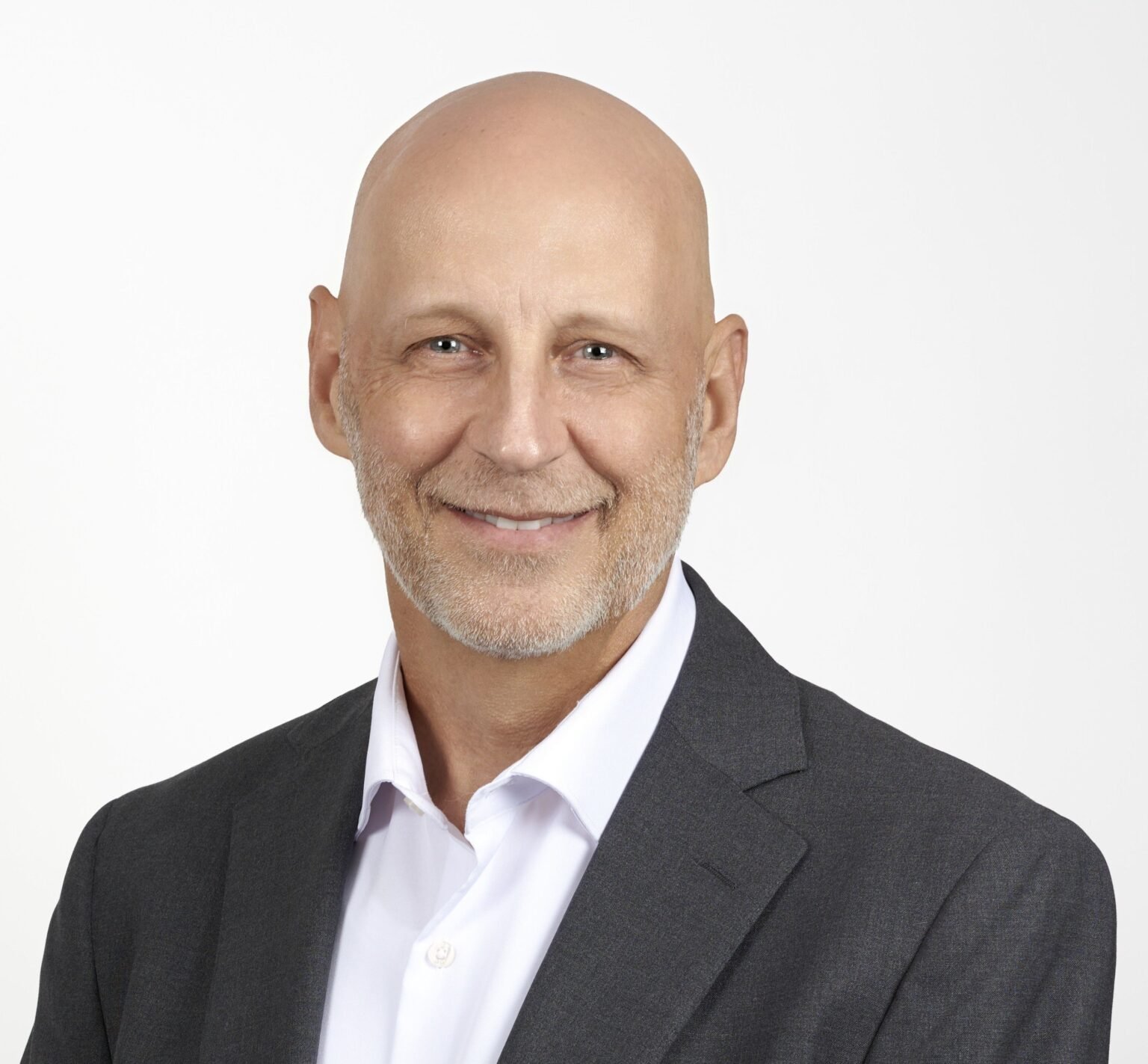
Chris Malone, Founder and CEO of Fidelum Health, leads a research, analytics and advisory firm serving healthcare organizations. This conversation looks at how the firm applies social psychology to patient-provider relationships, and why research, publishing and practical ideas have become part of its growth.
Fidelum Health has built its work by turning research into practical guidance and sharing it through client work, publications, speaking and collaborative research. Malone advises people starting a business to focus on an unresolved human problem rather than chase technology hype.
How did the business start, and what makes it different from others in your space?
Fidelum Health was established as a standalone business in late 2022, following a pivotal development at Fidelum Partners, our research-based consulting firm serving organizations across industries. A large regional health system had become our largest client. Through that work, we recognized that many of healthcare’s most persistent challenges weren’t simply clinical or operational. They were fundamentally human. Patients often feel unheard or disconnected from their care providers, while clinicians and staff struggle with burnout and a loss of purpose. We saw an opportunity to bring decades of research in social psychology and human relationships to an industry where those connections can have profound implications for both patient and provider outcomes.
What makes Fidelum Health different is our scientific foundation approach. We translate established social psychology research into practical insights and strategies that healthcare organizations can use to improve relationships and healthcare outcomes. Our work is grounded in decades of research demonstrating that people fundamentally judge one another based on two dimensions: warmth (intentions) and competence (capability). These judgements shape how much we trust others, how we engage with them, how loyal we are, and ultimately how relationships develop. Drawing on our research with more than 1.5 million patients and clinicians, we’ve demonstrated how these perceptions influence patient engagement, healthcare experiences, and clinician well-being. Rather than looking exclusively at traditional service quality measures or operational improvement methods, we help healthcare leaders understand the dynamics behind those measures and identify opportunities to strengthen the human relationships at the heart of better care.
How did you win your first customers, and where does most new business come from today?
Our earliest healthcare clients came to us because of the ideas presented in my first book, The HUMAN Brand: How We Relate to People, Products, and Companies, which explored the social psychology underlying trust, loyalty, and customer relationships. Although the book explored human relationships across industries, healthcare leaders at organizations such as Mayo Clinic and Orlando Health immediately recognized its relevance to the challenges they were facing with patient relationships, staff engagement, and organizational performance. Those early partnerships gave us the opportunity to put the research into practice, deepen our understanding of the dynamics shaping healthcare relationships, and build the foundation for Fidelum Health’s work today.
As those relationships grew, we recognized the importance of sharing what we were learning with a broader healthcare audience. We launched our Humanizing Healthcare podcast to bring healthcare leaders together for conversations about making care more human, and established the Patient-Provider Relationships & Outcomes Collaborative to conduct and disseminate research on how relationships influence patient engagement, clinical experiences, and clinician well-being. Today, many of our new clients come through referrals, research publications, speaking engagements, and the visibility we’ve built through these thought leadership initiatives. My forthcoming book, The HUMAN Remedy: Why Relationships Matter as Much as Medicine, publishing February 9, 2027, is another extension of that work. Ultimately, we’ve grown by leading with ideas, sharing knowledge, and demonstrating its practical value. When you consistently give people something meaningful to think about and apply, business opportunities tend to follow.
What is one decision that changed the direction of the business, and one mistake that taught you the most?
One of the most consequential decisions we made was to establish Fidelum Health as a distinct business with a dedicated focus on healthcare. For many years, Fidelum Partners successfully served clients across a wide range of industries, helping organizations address research, marketing, and strategic challenges. Over time, our work with healthcare organizations revealed an opportunity to bring our expertise in human social perception and relationship psychology to an industry where those insights could have an especially meaningful impact. By creating Fidelum Health, we could concentrate our research, expertise, relationships, and thought leadership around a shared mission: helping make healthcare more human. That decision gave us the focus to deepen our industry expertise, build a distinct reputation, and expand the reach of our work.
The biggest lesson I’ve learned is that developing valuable expertise and putting it into practice are only part of building a successful business. You also have to share what you know and create opportunities for others to benefit from it. We had spent years conducting research, developing distinctive insights, and helping clients achieve meaningful outcomes, but we hadn’t fully tapped the potential of sharing that knowledge with the broader healthcare community. That realization changed how we approach growth. Today, we deliberately invest in collaborative research, publishing, speaking, our podcast, and educational programming, even when these activities don’t generate immediate revenue. These efforts have helped us build a broader community around our work, strengthen relationships across the industry, and create opportunities that extend well beyond traditional business development. I’ve learned that when you consistently contribute meaningful ideas and knowledge to your industry, you build something more valuable than visibility alone: a strong reputation people recognize, trust, and want to be associated with.
What has changed in your industry or in what customers expect, and how have you adapted?
Healthcare is at an important inflection point. Rising costs, workforce shortages, care provider burnout, declining trust, and rapid adoption of artificial intelligence are transforming how care is delivered and what patients expect from their healthcare experiences. Healthcare organizations are looking for ways to improve access, efficiency, and financial performance while also delivering more personalized, compassionate care. Patients, meanwhile, increasingly expect the same convenience and responsiveness they experience in other industries. But healthcare has an additional dimension that makes it fundamentally different: people want to feel that their care providers know them, listen to them, and genuinely care about their well-being.
These developments have reinforced the importance of our work and created new opportunities to apply our research. We know that perceptions of warmth and competence play a fundamental role in building trust and shaping the relationships that encourage patients to engage in their care. We’ve also expanded our research to examine and better understand the connection between care providers’ experiences, professional well-being, and their ability to establish meaningful relationships with patients.
AI is another area where we’re actively expanding our focus. We see tremendous potential for AI to strengthen clinical capabilities, reduce administrative burdens, make healthcare more accessible, and give care providers more time to focus on patients. At the same time, we believe AI technology must be designed and implemented in ways that support and enable stronger human relationships. Its greatest potential is to make care more effective, more accessible, and ultimately more human. That distinction will be increasingly important for the future of healthcare.
If someone were starting a business like yours today, what should they do first, and what should they ignore?
I would encourage them to begin by identifying an important human problem that remains unresolved, especially around how people understand, relate to, and care for one another. We live in an extraordinary age of technological achievement. We have the knowledge and resources to send people to other planets and build computers capable of processing the entirety of humanity’s written knowledge. Yet, some of our most fundamental and persistent challenges remain deeply human: getting along with our neighbors, resolving differences, sharing resources fairly, building trust, and preserving human health and well-being. These problems are deeply rooted in human psychology, behavior, and relationships. They represent tremendous opportunities to bring meaningful solutions to people and organizations that sorely need them.
What I would encourage aspiring entrepreneurs to ignore is the tremendous hype surrounding artificial intelligence and the notion that it will somehow solve all of humanity’s most persistent problems. While artificial intelligence may offer extraordinary tools and capabilities, some of which will undoubtedly transform certain industries, human civilization requires trust, collaboration and compassion for one another in order to function. AI cannot replace the genuine human warmth, empathy, trust, and relationships that are essential to our individual and collective well-being. In fact, I believe our growing reliance on AI risks making many of these problems worse by further distancing people from one another and encouraging us to substitute artificial interactions for authentic human connections. My advice to is to resist the temptation to chase the latest technology trends and instead focus on understanding and solving meaningful human problems. The opportunities to make a lasting difference are enormous, and the need has never been greater.
Thank you to Chris Malone and the team at Fidelum Health for sharing what actually worked with Leaders Perception readers.
Want to tell the story behind your business?
Leaders Perception publishes interviews with business owners and leaders every week. Five questions, about ten minutes, no calls. It is free and every completed interview gets published.