
How Amitylux grew beyond Copenhagen while keeping travel personal
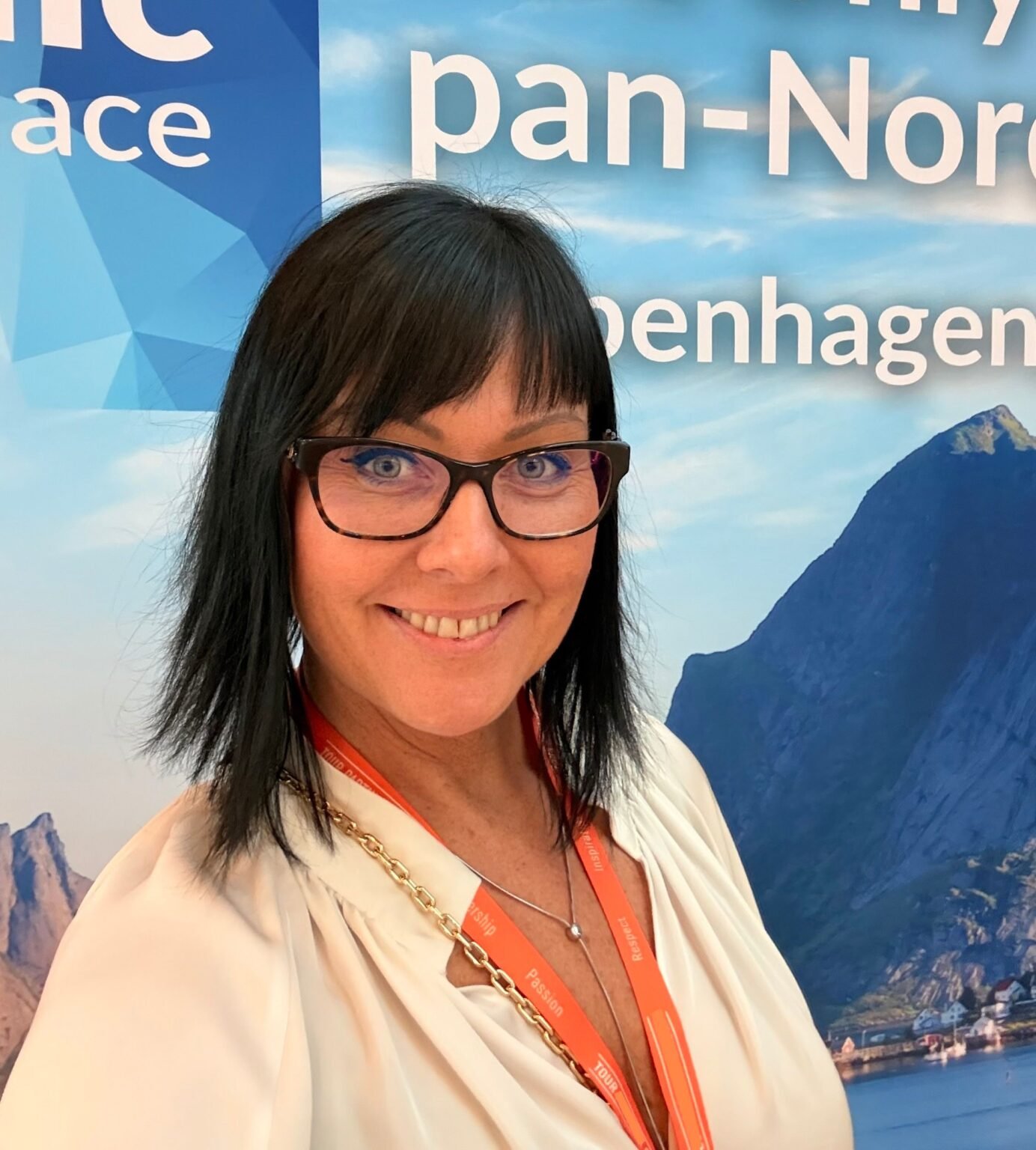
Kristel Hering is Founder & CEO of Amitylux, a boutique travel company offering small-group tours, private experiences and tailor-made travel across Northern Europe and the UK. This conversation explores how the business expanded beyond Copenhagen, built customer trust and works to keep its service personal as it grows.
Expansion works best when it does not come at the cost of what customers value. For Amitylux, that means choosing opportunities carefully, building trusted relationships and keeping local knowledge and personal attention at the centre of the experience.
What’s the short story of how your business started, and what makes it genuinely different from the other options your customers have?
Amitylux grew out of more than 20 years of experience across advertising, marketing, hospitality, events and client management. My earlier career in international advertising gave me a strong foundation in understanding clients, building relationships and creative thinking. I then spent six years at The Hurlingham Club, one of London’s most prestigious private members’ clubs, where I gained valuable experience in luxury hospitality, events and creating memorable experiences for corporate and private clients. Having lived and worked in different countries myself, I’ve always enjoyed connecting with people from different backgrounds and cultures. Throughout my career, one thing has remained constant: my belief that great experiences are built around people, personal attention and genuine relationships. After years of working in international advertising and luxury hospitality, I reached a point where I wanted to bring everything I’d learnt together and create something of my own. I wanted to combine my experience, passion for travel and belief in personal service to create a company that would help visitors discover destinations in a more engaging and memorable way. That’s how Amitylux began. We started in Copenhagen with guided sightseeing experiences and gradually expanded into other European destinations, building a team of knowledgeable local guides and trusted partners along the way. Today, Amitylux is a multi-award-winning boutique travel company offering small-group sightseeing tours, private guided experiences and bespoke luxury travel services across Northern Europe and the UK. Our city experiences include Copenhagen, Stockholm, Oslo, Helsinki, Tallinn, Reykjavik, London and Edinburgh, while our growing portfolio of tailor-made journeys takes travellers beyond the cities to explore destinations such as Finnish Lapland, Norway and Iceland, from Northern Lights and Arctic adventures to breathtaking fjords, scenic landscapes and authentic local experiences. This is an exciting new chapter for us as we continue to develop more personalised experiences, bringing together local activities, private guides and carefully selected experiences that allow our guests to explore each destination at their own pace and according to their interests. What makes us different is that we build our experiences around people, not just itineraries. Of course, guests want to see the famous landmarks and discover the highlights of a destination, but what often makes the experience memorable is an unexpected story, a local recommendation, a spontaneous conversation or one of those little moments you couldn’t have planned. Our small-group tours are deliberately limited to ten people, allowing for a much more personal experience, while our private tours offer the flexibility to adapt to individual interests and preferences. We’re also very selective about the guides and local partners we work with because the people delivering an experience make all the difference. For me, luxury isn’t necessarily about five-star hotels or expensive extras. It’s about time, personal attention, genuine local knowledge and having someone take care of the details so you can simply enjoy the experience.
How did you win your first customers, and where does most of your new business come from today?
In the beginning, it was very much about building relationships, earning trust and proving that we could deliver what we promised. When you’re starting a business without a huge marketing budget or an established name, every customer matters. One happy guest can lead to a lovely review, a recommendation, another booking or even a long-term partnership. I’ve always believed that people do business with people they trust, and that’s something I still strongly believe today. As Amitylux has grown, so have the ways customers discover us. Today, new business comes through direct bookings, international travel advisors, luxury hotels, concierge teams, destination partners and major travel platforms. We’re also fortunate to have loyal customers who return to us when visiting other destinations, along with long-standing travel partners who continue to trust us with their clients. We’ve also been fortunate to receive several international awards and recognition for our work, which has helped build credibility and open new doors. But despite all the different sales channels and technology available today, personal relationships remain incredibly important. When a hotel concierge recommends us or a travel advisor entrusts us with their clients, they’re putting their own reputation in our hands. I never take that lightly. For me, long-term relationships are far more valuable than one quick sale. Some of the best business opportunities have come from simply staying in touch, being reliable and treating people well.
What’s one decision that changed the direction of your business, and one mistake that taught you the most?
One of the biggest decisions was taking Amitylux beyond Copenhagen and expanding into other European destinations. It was an exciting step, but it also changed the business completely. Suddenly, we weren’t just organising experiences; we were building international teams, developing local partnerships, managing operations across borders and learning how to maintain consistent quality when I couldn’t personally be everywhere. That experience taught me that growing a service business is very different from simply selling more products. You can expand your destinations and offerings, but if you lose the personal touch and quality that made customers choose you in the first place, what’s the point? One of the biggest lessons I’ve learnt is that you can’t say yes to everything. Especially when you’re building a company, every new opportunity can seem exciting. A new partnership, a new destination, a special client request or a completely different business idea. And as an entrepreneur, it’s easy to get carried away because you see the possibilities everywhere! But not every opportunity is the right opportunity. I’ve learnt to be more selective, trust my own judgement and recognise that sometimes saying no is just as important as saying yes. And perhaps most importantly, I’ve learnt that you need good people around you. You can’t build a successful business alone, and finding people who care about what they do is worth far more than trying to control every little detail yourself.
What has changed in your industry or in what your customers expect over the last couple of years, and how have you adapted?
I think travellers today are much more experienced, informed and selective about how they spend their time and money. While traditional package holidays still have their place, many people now prefer the freedom to plan their own journeys, choose their accommodation and book experiences that reflect their personal interests rather than follow a fixed itinerary. With so much information available online, it’s easier than ever to research destinations and discover the main attractions. But what travellers increasingly value is something they can’t simply find through an online search: genuine local knowledge, personal connections, engaging stories and experiences they might never discover on their own. There’s also a growing expectation of flexibility. Not everyone wants to follow the same route, eat at the same restaurants or have every hour of their holiday planned for them. People want more choice and the freedom to explore destinations at their own pace. We’ve adapted by expanding our range of experiences and developing more personalised services, from small-group sightseeing and cultural and culinary tours to private guided experiences and tailor-made journeys that take travellers beyond the major cities. Technology has also changed the industry enormously, particularly with the rapid development of AI. Customers expect quick responses, easy bookings, accurate information and efficient service. And while technology can certainly make our work easier, I believe there’s something important we mustn’t lose. Travel is about people, emotions and experiences. AI can help you plan an itinerary, but it can’t replace a wonderful local guide who brings a city to life, reads the mood of a group, shares personal stories or knows when to take an unexpected little detour. For us, the aim is to use technology to make things easier behind the scenes while keeping the actual guest experience personal and human. I believe that the more digital our world becomes, the more people will appreciate genuine human connection.
If you were advising someone starting out in your industry today, what would you tell them to do first, and what would you tell them to ignore?
I’d tell them to start with the customer, not the product. Really understand who you want to serve, what matters to them and why they should choose you over all the other options available. You don’t need to start big. In fact, being small can be a real advantage because you can listen closely, adapt quickly and give your first customers the kind of personal attention that larger companies sometimes struggle to provide. I’d also encourage them to invest time in building relationships. Get to know people, be curious, ask questions and follow through on your promises. Some of the best opportunities in business don’t happen overnight. They come from conversations, introductions and relationships that develop over months or even years. And I’d tell them not to get distracted by what everyone else is doing or feel pressured to grow too quickly. Focus on doing what you do really well, building strong relationships and earning your customers’ trust. A good reputation takes time to build, but it’s one of the most valuable things a business can have. Finally, don’t be afraid to make mistakes. You’ll make them, no matter how much you plan or prepare. What matters is how you respond, what you learn and what you do differently next time. And don’t feel you have to do everything yourself. One of the most valuable lessons I’ve learnt is the importance of recognising your own strengths and limitations. You don’t have to be an expert in everything to build a successful business. Surround yourself with good people who bring different skills and expertise, know when to ask for help and trust others to do what they do best. It can make all the difference. Running your own business isn’t always easy, and there will be plenty of challenges along the way. But if you’re genuinely passionate about what you do, willing to keep learning and surrounded by good people, it can also be one of the most rewarding journeys you’ll ever take.
Thank you to Kristel Hering and the team at Amitylux for sharing what actually worked with Leaders Perception readers.
Want to tell the story behind your business?
Leaders Perception publishes interviews with business owners and leaders every week. Five questions, about ten minutes, no calls. It is free and every completed interview gets published.