
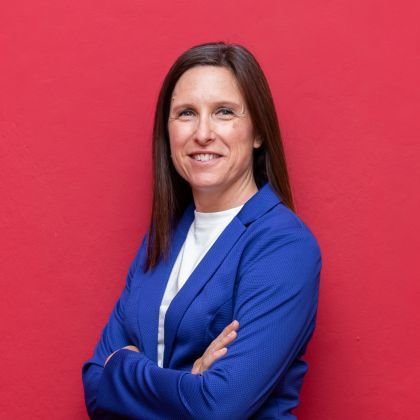
How Karen van Zyl built VAConnect around managed support
Karen van Zyl is the founder and CEO of VAConnect, a managed virtual assistant agency that recruits, screens, trains and supports remote professionals for businesses in the US and UK. The conversation looks at why VAConnect chose to manage placements, how discovery calls help define client needs, and why documenting processes matters as a business grows.
Be clear about the problem your business solves, then build systems that let a team solve it consistently. Capturing essential methods early can make growth less dependent on one person.
What’s the short story of how your business started, and what makes it genuinely different from the other options your customers have?
I left a corporate job in 2008 and started Limetree Consulting Solutions. I could see that South Africa had skilled, well-trained people ready to work remotely for businesses abroad, and very few companies were set up to connect them properly. In 2014 we rebranded as VA Connect. What makes us different is that we stay involved. Plenty of companies hand you a CV and step away. We recruit, screen, train and manage every remote professional, and we keep supporting both the client and the assistant after the start date. Our phrase for it is "managed, not matched."
How did you win your first customers, and where does most of your new business come from today?
Mostly by talking to people. I still take every discovery call myself, because that first conversation is where you find out what a business owner actually needs taken off their plate. That hasn’t changed: however a new client finds us, they start with a conversation with me. Getting the brief right at that stage is what makes the placement work later.
What’s one decision that changed the direction of your business, and one mistake that taught you the most?
The decision was to manage our assistants rather than just place them. It meant building screening, training and ongoing support into everything we do, and it shaped the business we have now. The mistake that taught me the most was keeping too much of the business in my own head. For years I was the only person who ran our discovery calls. We’re now writing that method down and teaching it to a sales team, and I wish I’d started sooner.
What has changed in your industry or in what your customers expect over the last couple of years, and how have you adapted?
When I started, remote work was something you had to explain. Now most US and UK business owners have worked with someone remote, so the questions are about quality and trust: who screens this person, who trains them, and who steps in if something goes wrong. We’ve adapted by making those answers part of every placement. Every assistant builds a standard operating procedure for their account, we hold regular check-ins with clients, and if a fit can’t be fixed we replace the assistant at no extra charge.
If you were advising someone starting out in your industry today, what would you tell them to do first, and what would you tell them to ignore?
First, get very clear on the one problem you solve and say it the same way every time. Then build systems early. My corporate years taught me that good people need a clear process behind them, and that’s still true with a team spread across time zones. Ignore the urge to take on every kind of work in the first year. Saying no to the wrong clients leaves room for the right ones.
Thank you to Karen van Zyl and the team at VAConnect for sharing what actually worked with Leaders Perception readers.
Want to tell the story behind your business?
Leaders Perception publishes interviews with business owners and leaders every week. Five questions, about ten minutes, no calls. It is free and every completed interview gets published.