
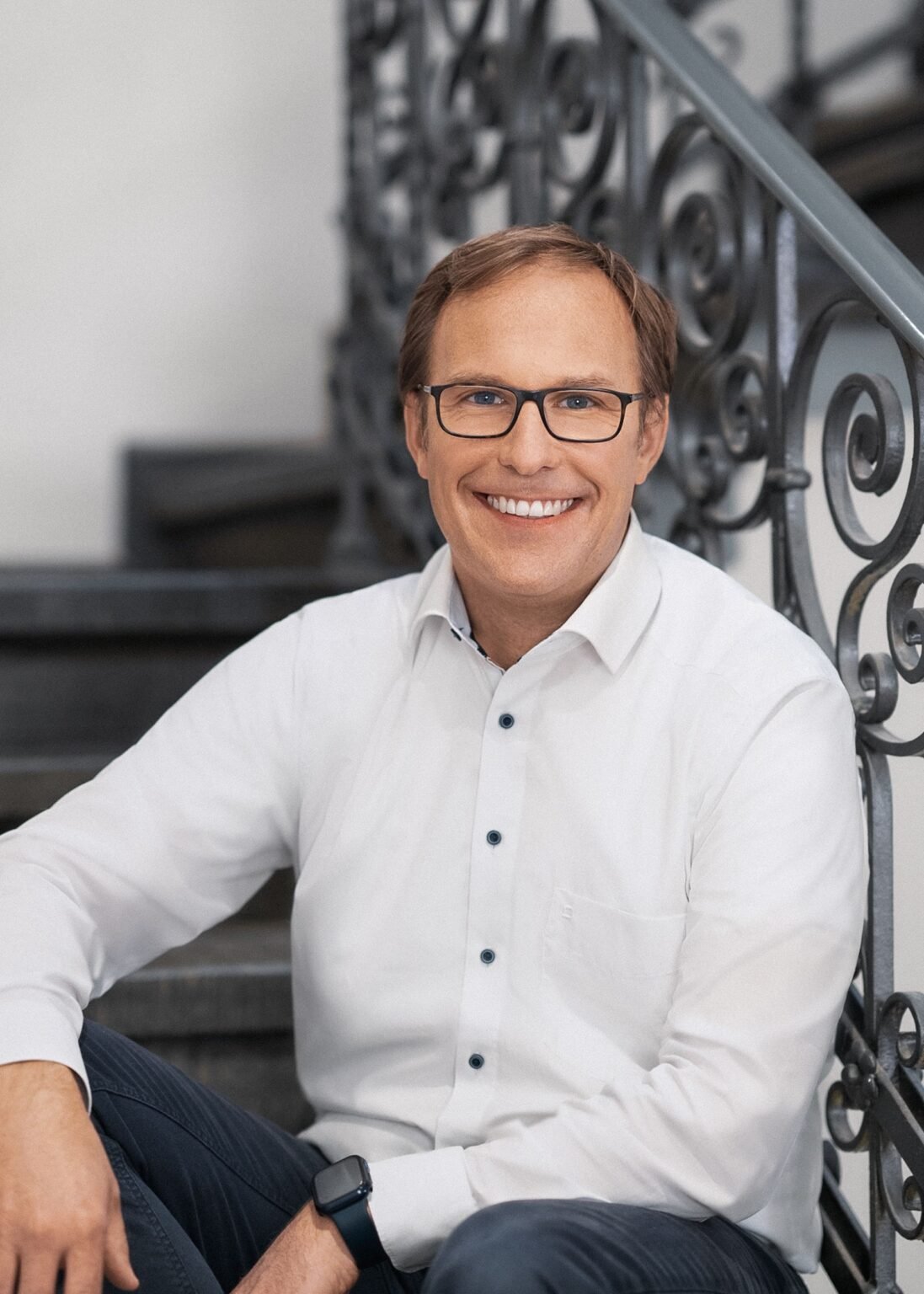
How Horst Haug is building a local vending business
Horst Haug is CEO of Hey Horst GmbH, which operates self-service food and beverage vending machines in Bavaria and is developing micro-store concepts. The conversation explores how local product choices bring customers back, why sales data matters, and what it takes to run a self-service business reliably.
Start with the needs of a specific location, then test products in small quantities and let sales, margins and customer feedback guide the assortment. Self-service technology does not make the work passive: reliable operations and relevant products are what encourage repeat visits.
What’s the short story of how your business started, and what makes it genuinely different from the other options your customers have?
I founded Hey Horst in 2025 to make regional food and everyday essentials available beyond normal shop opening hours. Today, we operate five vending machines across two locations in Bavaria and are developing micro-store concepts. Our personal approach and product selection set us apart: alongside familiar snacks and drinks, customers can find regional dairy products, butcher’s specialties and ready-made meals, with the assortment adapted to each location.
How did you win your first customers, and where does most of your new business come from today?
Our first customers were people living near our vending location in Herrsching who discovered the offer and came back. We build awareness through local visibility, word of mouth and social media. Listening to customer requests and adjusting the assortment helps us turn an initial purchase into a regular shopping habit.
What’s one decision that changed the direction of your business, and one mistake that taught you the most?
One important decision was to build on our vending experience and explore micro-stores for neighborhoods and workplaces. The biggest lesson has been that a product I personally like will not necessarily sell. Some products I expected to do well moved slowly, so I learned to test smaller quantities and use actual sales, margins and customer feedback to decide what stays.
What has changed in your industry or in what your customers expect over the last couple of years, and how have you adapted?
In our day-to-day business, customers look for more than a quick snack: they also want useful groceries, regional products and convenient payment options outside regular opening hours. We respond by combining familiar convenience products with fresh food and everyday essentials, offering cashless payment and using remote monitoring to keep track of sales and machine performance.
If you were advising someone starting out in your industry today, what would you tell them to do first, and what would you tell them to ignore?
Start with the location and the people you want to serve. Understand what they need, check the competition and calculate what remains after product costs, rent, electricity, payment fees, restocking time and waste. Begin with a manageable assortment and learn from actual sales. Ignore promises of passive income: the technology enables self-service, but reliable operations and a relevant product range are what bring customers back.
Thank you to Horst Haug and the team at Hey Horst GmbH for sharing what actually worked with Leaders Perception readers.
Want to tell the story behind your business?
Leaders Perception publishes interviews with business owners and leaders every week. Five questions, about ten minutes, no calls. It is free and every completed interview gets published.