
How AeroFrohne grew from aerial photography to reality capture
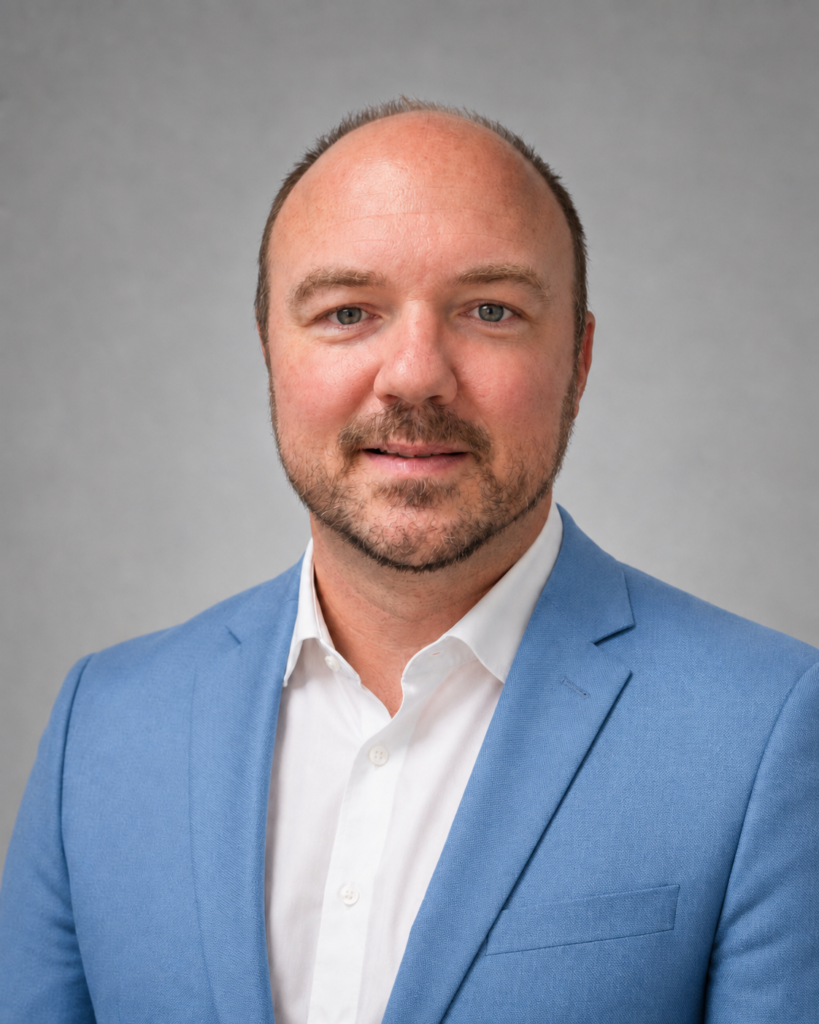
Derrick Frohne started AeroFrohne in Austin in 2020, initially offering aerial photography and real estate visuals. The company now works across drone services and reality capture, including mapping, LiDAR scanning and building documentation; this conversation looks at how customer clarity, workflows and shared responsibility have shaped its growth.
A useful lesson from AeroFrohne’s growth is to solve a clearly understood customer problem first, then use tools and workflows to support dependable delivery. Automation can reduce coordination work, but people still need to verify details and own the result.
What’s the short story of how your business started, and what makes it genuinely different from the other options your customers have?
I started AeroFrohne in Austin, Texas, in August 2020, initially providing aerial photography, real estate visuals, and marketing content. Over time, the work expanded into mapping, LiDAR scanning, 3D modeling, and building documentation.
What makes our approach different is how we combine field experience, software development, and Ai/Si. I work with multiple Ai agents and automations to support research, development, and routine coordination. They help get more done with a small team and keep administrative overhead down. I remain directly involved in technical decisions and quality control, and our team stays accountable for what AeroFrohne delivers.
How did you win your first customers, and where does most of your new business come from today?
My first customers came through AeroFrohne’s website, where people would contact me for quotes. Those inquiries gave me a chance to understand their projects and explain what we could deliver.
Today, work comes through website inquiries, referrals, and ongoing relationships with reality capture partners. I put a lot of attention into making our services understandable. The technology can be complicated, but a customer should be able to understand what they’re buying, what we need from them, and what happens next. Clear scope, communication are central to how I approach those relationships.
What’s one decision that changed the direction of your business, and one mistake that taught you the most?
The biggest change came when I started using AI to help expand AeroFrohne globally. It changed how I approached coordination, technical development, and the systems needed to support work across different locations. I began building workflows that could organize project information, check details, and support a growing operation.
The mistake that taught me the most was trying to do everything myself. I was handling field work, data processing, customer communication, and the responsibilities of running the business. Growing a team meant learning to share responsibility while staying involved where my judgment mattered. I’m still hands-on, but I’ve learned that building a business also means giving other people room to contribute.
What has changed in your industry or in what your customers expect over the last couple of years, and how have you adapted?
One of the biggest changes in my work has been the growing role of Ai/Si and software in both technical development and everyday operations. I now use those tools to help organize inquires, compare scheduling information, flag inconsistencies, and maintain our website.
That has also made verification a bigger part of how I work. An appointment needs to match what everyone agreed to, and a deliverable needs to match its intended use. We’re building automation around those checks while keeping people responsible for resolving unclear information and reviewing the finished work. I want the technology to support a dependable service.
If you were advising someone starting out in your industry today, what would you tell them to do first, and what would you tell them to ignore?
Start with understanding one customer issue well enough to deliver a useful result. Find out what the customer needs, how they’ll use it, and what would make the project successful. Keep your motivation nearby. For me it’s my family. I have a photo of my son Hans at office desk, as a screen saver on my phone, and on AeroFrohne’s about page. Seeing Hans reminds me why I’m building, especially on the difficult days and nights.
Ignore the pressure to buy every new tool or offer every service immediately and start with what you have. Ignore the distractions, stay focused on your global mission and put in the hours that others don’t.
Thank you to Derrick Frohne and the team at AeroFrohne for sharing what actually worked with Leaders Perception readers.
Want to tell the story behind your business?
Leaders Perception publishes interviews with business owners and leaders every week. Five questions, about ten minutes, no calls. It is free and every completed interview gets published.