
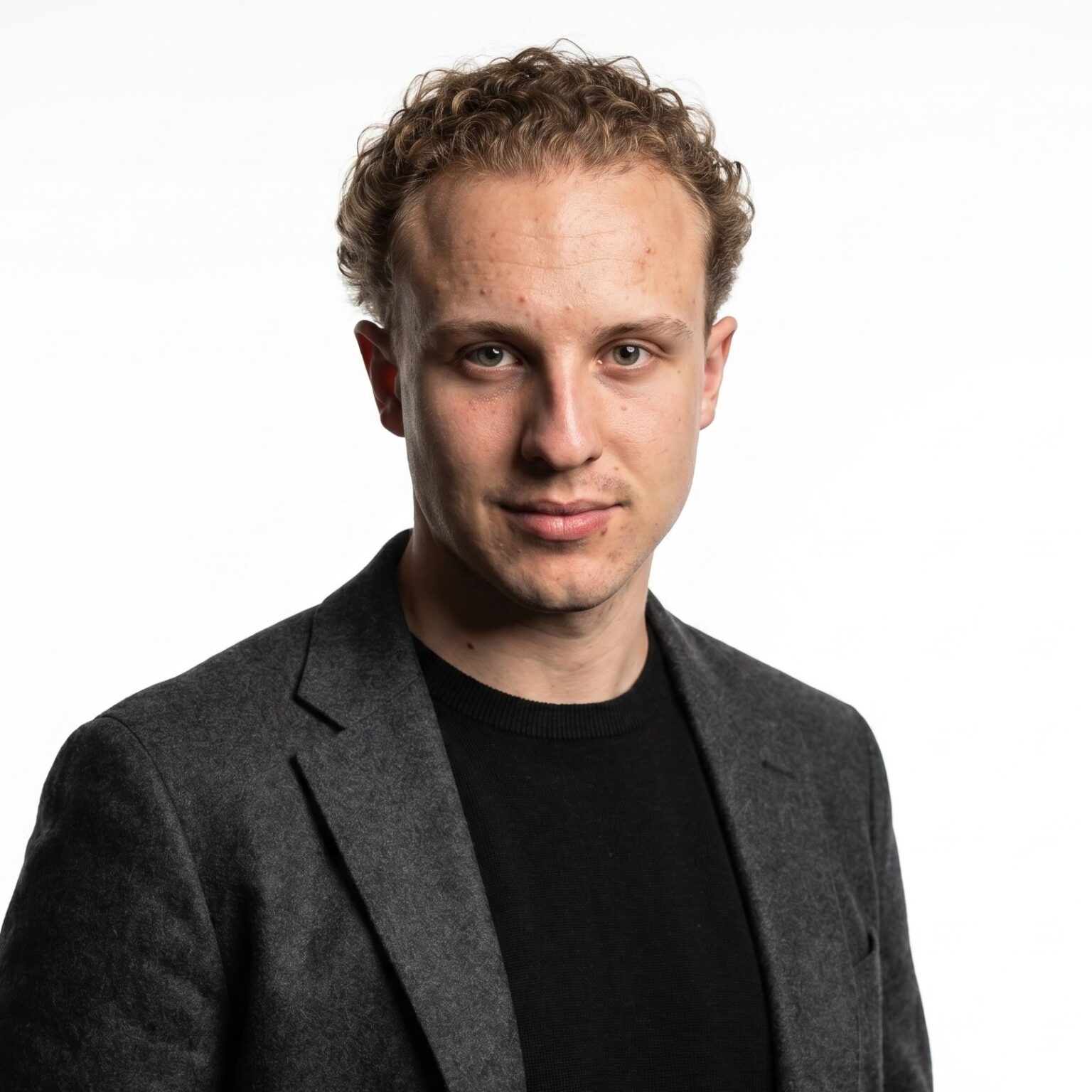
Minvelle’s AI reality check: clear facts are changing discovery
Maximilian Oehlinger, founder of Minvelle, makes sugar-free chewing gum with 5.7 mg of nano-hydroxyapatite per piece and publishes batch test certificates and ingredient details. The conversation looks at the AI-assisted work behind a 35-country shop, where product photography and customer replies still need a human eye, and how AI assistants are changing what customers know before they arrive.
AI can help a small team handle research, analytics and first drafts, but customer-facing evidence still needs human review. Minvelle’s experience also suggests that clear, machine-readable product facts can help customers arrive with comparisons already done.
What’s the quick origin story of your business, and what makes what you do genuinely different from the other options your customers are looking at?
I’m 21 and I started Minvelle in Linz, Austria, next to a day job. I wanted a chewing gum that did something useful after coffee and found that the ones with nano-hydroxyapatite either hid the dose or didn’t test what was in the pack. So I had one made: 5.7 mg per piece, printed on the box, every batch lab-tested, the certificate published on the site. The difference is boring on purpose. We publish the number, the certificate and all 14 ingredients, and we don’t claim anything the law doesn’t let us claim. In a category full of "repairs enamel" headlines, being the brand that shows its work is the whole position.
Where does most of your new business come from today, and where do you wish it came from?
Most of it is Google. People search for a specific gum brand, a comparison, or a question like "how long should you chew gum", land on one of our articles, and some of them buy. Around 600 clicks a day come in that way. Where I’d like it to come from is friends telling friends. We started a referral program this month and we’re building a creator program where people film their own honest routine. A recommendation from someone you know beats a search result every time, it just scales slower.
What’s one thing you’ve actually handed over to AI in the last year, and one thing you tried it on and went back to doing the human way?
Handed over: the first draft of almost everything that isn’t customer-facing. Research for articles, reading our analytics, checking every piece of copy against the list of claims we’re not allowed to make. One person can run a 35-country shop that way. Taken back: product photos. We generated them for a while and they looked fine, but the box was never quite right, the gum pieces were never quite real, and customers notice. We shot the real box on a real table and everything that shows the product is a photograph again. Same for customer emails. AI drafts, but every reply to a customer is read and sent by me.
Have you noticed a change in how customers find you or what they already know before they reach out? Is anyone arriving through AI assistants like ChatGPT yet?
Yes, and more than the analytics admit. Roughly one in ten first orders comes with a ChatGPT or Perplexity referrer, and when we ask new customers how they heard about us, "an AI assistant" is the single most common answer, more than the referrer data shows, because a lot of those people type the brand name in afterwards. They arrive knowing the dose, the price per box and what the batch certificate says. They’ve already done the comparison. The homepage job has changed from convincing people to confirming what they were told.
If you were advising someone in your industry on all of this for the next 12 months, what would you tell them to actually do, and what would you tell them to ignore?
Do: publish your facts in plain text where a machine can read them. Dose, ingredients, test results, price, shipping countries, the answer to every question your customers ask. AI assistants quote the page that states things clearly, and so do people. Fix the claims you can’t back up before anyone else finds them. Ignore: AI-generated spokespeople, and anyone selling you "AI SEO" as a separate thing. If a human wouldn’t trust the page, neither will the model.
Thank you to Maximilian Oehlinger and the team at Minvelle for sharing what actually worked with Leaders Perception readers.
Want to share your playbook?
Leaders Perception publishes founder and operator interviews every week. A few questions, about five minutes, no calls. It is free and everyone we accept gets published.