
How Kemp Law Group uses AI for records, and keeps intake human
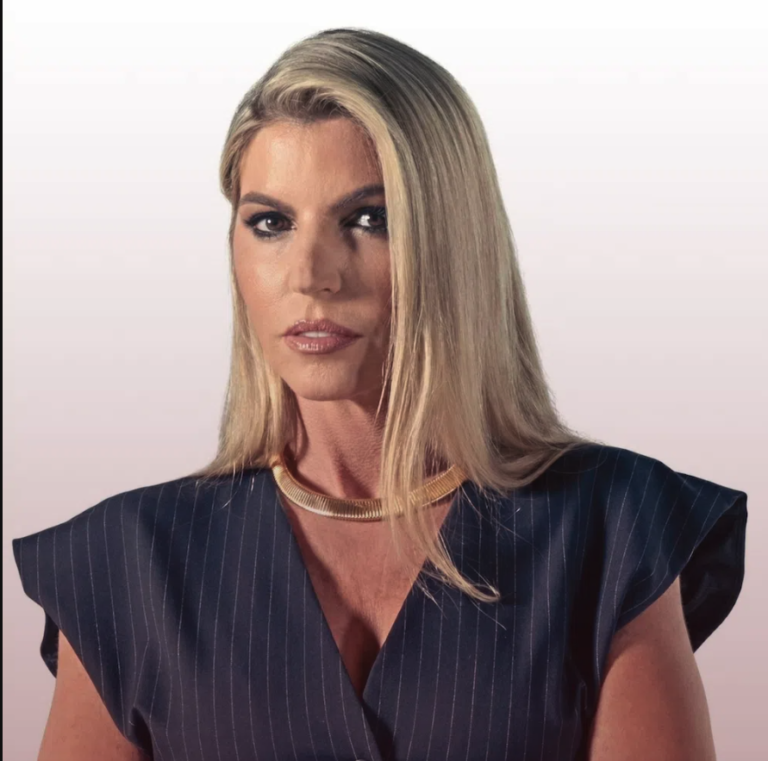
Stacy Kemp Ferrari is a Florida Personal Injury Attorney who founded Kemp Law Group, which represents people injured in Florida and Georgia in car, truck, motorcycle, pedestrian, Uber and Lyft, negligent security, dog bite and wrongful death claims. She trained as a court reporter before law school and says the firm builds a narrative for every client; this interview explains why the firm uses AI for document review while keeping intake human and how that changes client communication.
Use AI to speed routine tasks like initial medical-record review, but keep empathetic, high-stakes client moments human. Invest in accurate public information so both clients and AI assistants find reliable answers.
What’s the quick origin story of your business, and what makes what you do genuinely different from the other options your customers are looking at?
The quick origin story is that I spent more than seven years as a court reporter before law school, watching trials and learning how persuasion really works, then I founded Kemp Law Group in Trinity in 2008 to bring that storytelling discipline to injured people who were being treated like file numbers. What makes us genuinely different is that we do not just process claims, we build a narrative for every client from the first phone call, because insurance companies respond to stories and juries remember people, not paperwork.
That difference shows up in how we handle car, truck, motorcycle, and pedestrian cases across Florida and Georgia. We combine over 20,000 cases of experience and millions recovered with a client first culture that says I would rather win clients than trophies. Other firms may have more billboards or bigger ad budgets, but we compete on trust, preparation, and the willingness to take a case to trial when the offer is unfair.
Where does most of your new business come from today, and where do you wish it came from?
Most of our new business today comes from referrals, especially from former clients, local community relationships, and other attorneys who know how we treat people. The Chasco Fiesta sponsorship and our West Pasco Chamber involvement built that referral engine, and it continues to produce cases across Florida and Georgia because people trust a firm that shows up year after year.
Where I wish more of our new business came from is former clients who had such a good experience that they proactively send friends and family without being asked. That kind of referral is the purest measure of success because it means we delivered on our promise, not just marketed well. We are investing in client communication and follow up to earn more of those organic introductions.
What’s one thing you’ve actually handed over to AI in the last year, and one thing you tried it on and went back to doing the human way?
The one thing I have actually handed over to AI in the last year is initial document review and summarization for medical records and discovery, because it saves hours of paralegal time and lets us spot key dates and providers faster. We still have humans verify everything, but AI now handles the first pass on large record dumps.
The one thing I tried AI on and went back to doing the human way is client intake calls. I tested a chatbot for initial screening, but injured people often call on the worst day of their life, and they need to hear a human voice that shows empathy and asks the right follow up questions. No script or model can replace that first moment of trust, so we kept intake human.
Have you noticed a change in how customers find you or what they already know before they reach out? Is anyone arriving through AI assistants like ChatGPT yet?
Yes, I have noticed a real change. In the last few years, clients arrive far more informed than they used to. They have already read about PIP, dash cam footage, Uber and Lyft coverage, negligent security, dog bites, and wrongful death timelines. They compare reviews, watch videos, and ask specific questions about case value and litigation costs. Some now mention that they asked ChatGPT or another AI assistant before calling us. It is not the majority yet, but it is showing up in intake notes, especially with younger clients and people who have complex commercial vehicle or premises liability questions. They often come with a summary of possible claims and a list of questions. That changes our intake process because we have to confirm what they learned, correct myths quickly, and avoid wasting time re-explaining basics. It also means our public information has to be accurate, because AI assistants may repeat whatever they find.
If you were advising someone in your industry on all of this for the next 12 months, what would you tell them to actually do, and what would you tell them to ignore?
I would tell them to invest in accurate, structured public information that both AI assistants and humans can trust. That means a consistent Google Business Profile, detailed service pages, real case results with disclaimers, attorney bios, client reviews, local citations, short videos, and plain language FAQs. It also means training intake to ask how the person found you and whether they used an AI assistant, so you can actually measure what is happening. I would tell them to ignore the hype that AI will replace attorneys and the urge to chase every new tool. Ignore gimmicks and mass produced AI content that sounds generic and creates ethics risk. Focus on being the most trustworthy source in your market, and keep the first human conversation empathetic and precise.
Thank you to Stacy Kemp Ferrari and the team at Kemp Law Group for sharing what actually worked with Leaders Perception readers.
Want to share your playbook?
Leaders Perception publishes founder and operator interviews every week. A few questions, about five minutes, no calls. It is free and everyone we accept gets published.