
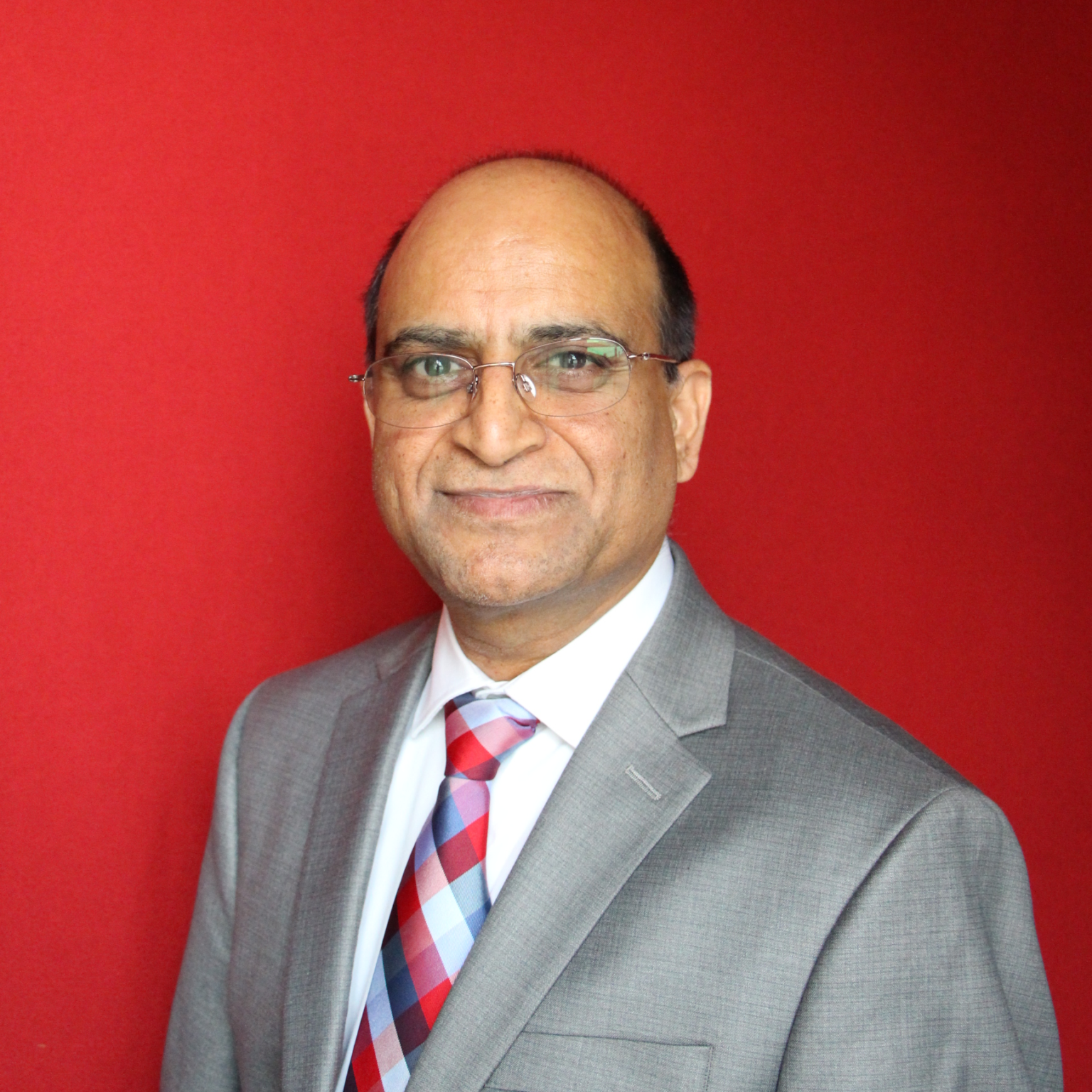
Yad Senapathy on keeping PMP training human in an AI world
Yad Senapathy is a PMP Certification Expert and PMBOK Contributor at Project Management Training Institute, which provides PMI-authorized PMP boot camps and related project management courses. PMTI built a 4-Day PMP Boot Camp, a long-standing money-back guarantee and a curriculum tied to PMI standards. This conversation explains why verified outcomes and human coaching remain central even as the business adopts selective AI tools.
Prioritize verified pass rates and experienced instructors for high-stakes certification training, while using AI only for administrative work and low-risk content drafts, not for student coaching or final readiness decisions.
What’s the quick origin story of your business, and what makes what you do genuinely different from the other options your customers are looking at?
PMTI was founded in 2003 in Dallas, Texas by Yad and Shobha Senapathy to give busy professionals a faster, more reliable path to PMP certification than scattered self-study or generic courses. We became a PMI Authorized Training Partner, built our flagship 4-Day PMP Boot Camp around 35 contact hours and over 2,000 practice questions, and backed it with a 99% pass rate and a money-back guarantee we introduced over 18 years ago.
What genuinely separates us is that our curriculum is tied directly to PMI standards, and I have served as a PMI Subject Matter Expert and PMBOK Guide contributor, so students learn from material aligned with how the exam is actually built. Competitors can copy a boot camp format, but they cannot easily copy official authorization, exam development experience, and a long-standing refund guarantee that puts real risk on us.
Where does most of your new business come from today, and where do you wish it came from?
Most of our new business today comes from word of mouth, repeat corporate clients, and professionals who hear about our pass rate and guarantee from someone who already trained with us. That referral engine is powerful because PMP certification is a career decision, and trust travels faster through peers and employers than through ads.
I wish more of our new business came from direct discovery through search and AI assistants, where a professional asks a question like which PMP boot camp is worth it and gets pointed to an authorized provider with verified outcomes. That would let us reach people earlier in their research instead of relying so heavily on someone else making the introduction.
What’s one thing you’ve actually handed over to AI in the last year, and one thing you tried it on and went back to doing the human way?
We have handed AI the first-pass drafting of low-stakes content such as marketing variations, FAQ summaries, and internal outlines, which saves my team time without touching the core exam preparation.
I tried using AI for student coaching and exam-readiness conversations and went back to doing that the human way, because PMP candidates often need judgment, encouragement, and nuanced explanations of why they missed a question. AI can generate text, but it cannot replicate the accountability and experience of an instructor who has trained over 150,000 professionals and knows when a learner is ready or needs a different approach.
Have you noticed a change in how customers find you or what they already know before they reach out? Is anyone arriving through AI assistants like ChatGPT yet?
Yes, customers arrive more informed than they did a few years ago, and many already know to ask about PMI Authorized Training Partner status, pass rates, contact hours, and whether a money-back guarantee exists.
Some now mention that they used ChatGPT or another AI assistant to compare PMP boot camps before contacting us, so they come with a shortlist and sharper questions about Agile, PMBOK 7, and exam simulation quality. The shift is that our first conversation is less about explaining what the PMP is and more about proving why PMTI is the safest choice among the options they already found.
If you were advising someone in your industry on all of this for the next 12 months, what would you tell them to actually do, and what would you tell them to ignore?
I would tell them to double down on verified outcomes and human coaching while using AI only for administrative leverage, content personalization, and faster feedback loops that do not replace instructor judgment. In PMP training, the winners will be providers who can prove pass rates, maintain official authorization, and give learners real mentors who can diagnose weak knowledge areas.
I would tell them to ignore the temptation to rebrand every AI feature as a revolution or to replace live instruction with a chatbot, because certification candidates are paying for confidence, accountability, and a guaranteed path to passing, not for a cheaper automated experience.
Thank you to Yad Senapathy and the team at Project Management Training Institute for sharing what actually worked with Leaders Perception readers.
Want to share your playbook?
Leaders Perception publishes founder and operator interviews every week. A few questions, about five minutes, no calls. It is free and everyone we accept gets published.