
A massive shift is changing the way entrepreneurs operate in the modern commercial landscape. Today, startups leverage advanced tools for massive scale with lean teams. This evolution represents a fundamental change in how innovation happens across the globe.
Steve Blank, a Stanford professor and serial entrepreneur, describes this technology as a “force multiplier” for entrepreneurs. Data from Kruze Consulting supports this, showing 70% of venture-backed startups pay for specialized tools. In the tech sector, SaaS companies lead with nearly 80% adoption.
These leaders are not just adding tools; they are building business models around efficiency. This guide explores how founders use ai to grow business operations from product development through scaling. By adopting these strategies, founders compete against much larger organizations.
In today’s fast-moving world, efficiency is the ultimate advantage for a lean organization. New startups prove that size no longer dictates success. You will learn specific strategies to maximize your impact while keeping your overhead low.
Key Takeaways
- AI acts as a powerful force multiplier for modern entrepreneurs.
- Seventy percent of venture-backed startups already invest in AI tools.
- SaaS companies lead the market with the highest adoption rates at nearly 80%.
- Lean teams can now match the output of much larger organizations.
- Successful leaders build business models around AI-first efficiency principles.
- This guide covers the entire business lifecycle from development to scaling.
Why AI Is the Ultimate Force Multiplier for Lean Startups
In the startup world, a force multiplier is any tool that helps a small team finish massive tasks. Today, AI fulfills this role by letting founders do more with less. It allows one person to produce the output of many people.
Steve Blank compares this technology to a smart friend who is always ready to brainstorm. He notes that early companies now have a consultant that used to cost $10,000 at their fingertips. This immense power shifts the playing field for new ventures.
“It’s like having a pretty smart friend who’s kind of riffing… somewhere between 10% and 50% of their answers are bullshit.”
Despite the value, users must remain careful. Blank warns that some answers are not accurate. Research from Vectara shows that chatbots hallucinate 27% of the time.
Even with these errors, the access to quick information saves time and money. It provides a starting point that many entrepreneurs would not find alone. This advantage is vital for staying competitive in a fast-paced market.
- Efficiency: Automate repetitive tasks to focus on strategy.
- Cost: Replace expensive consultants with affordable subscriptions.
- Speed: Move from idea to execution in hours rather than weeks.
| Factor | Traditional Consultant | AI Assistant |
|---|---|---|
| Typical Cost | $10,000+ per project | $20 per month |
| Availability | Business hours only | 24/7 instant access |
| Reliability | High expertise | 10% – 50% error rate |
| Output Speed | Days or weeks | Seconds or minutes |
How Founders Use AI to Grow Business Through Rapid Product Development
Rapid product development has entered a new era where natural language becomes the primary coding language for savvy entrepreneurs. The traditional barrier to entry for starting a digital business has officially collapsed. In the past, a founder had to spend months finding a technical partner or learning complex syntax.
Today, smart leaders are using artificial intelligence to bridge the gap between a vision and a finished app. This shift allows lean teams to create high-quality products that look and feel professional from day one. You no longer need to wait for a massive engineering team to translate your vision into a functional model.
Instead, you can use generative systems to translate your thoughts directly into live code. This speed is not just about finishing a project faster; it is about learning from the market with unprecedented velocity. When you can build multiple products simultaneously, you significantly increase your chances of finding a true market fit.
The traditional software development lifecycle is being replaced by a more fluid, AI-integrated approach. This allows you to focus on solving user problems rather than managing technical debt. It democratizes the ability to innovate, putting powerful development capabilities into the hands of creative thinkers everywhere.
Build Working Prototypes Using Vibe Coding Tools
Vibe coding is the latest trend where you describe your software needs in plain English. Powerful tools like Cursor and Bolt allow you to chat with a codebase to build complex features instantly. You simply explain what the app should do, and the AI handles the heavy lifting of writing the logic.
Platforms such as Claude Code and Lovable have made it possible for non-technical creators to build complex systems. These tools create a direct bridge between a creative vision and technical execution. By using these specialized tools, you can focus on the user experience rather than getting stuck on debugging syntax.
The quality of the initial software output is often high enough for immediate market testing. This process allows you to refine the product iteratively based on actual user feedback. You are no longer limited by your technical background, only by the clarity of your instructions.
Cut Your MVP Timeline from Months to Days
The journey from a simple idea to a launched product used to take six months or more. Now, startups are launching fully functional SaaS platforms in a single weekend. This massive compression of the development process changes how we think about financial risk.
Instead of betting everything on one single idea, you can test ten different ideas in the same timeframe. If a prototype does not gain traction by Monday, you simply move on to the next concept. This “fail fast” approach is the hallmark of modern, successful startups that scale with minimal overhead.
Rapid iteration allows you to show a prototype to customers on Tuesday and have their feedback implemented by Wednesday. This velocity ensures that your final product is exactly what the market wants. Speed is the ultimate competitive advantage in an AI-driven economy where user needs change daily.
Accelerate Customer Discovery and Market Validation with AI
Smart founders are now leveraging artificial intelligence to prove their market hypotheses in record time. According to Steve Blank, the creator of the Lean Startup method, customer discovery is the foundational requirement for any viable business.
You must understand who will buy and what they truly need before writing a single line of code. AI tools now act as a powerful catalyst for startups to validate their core assumptions much faster than traditional methods.
Compress Weeks of Market Research into Hours

Blank recommends that founders use AI to ask vital initial questions. You can ask: “Who should be my first customers?” or “What do they care about most?” to gain instant insights.
AI tools like Perplexity and Claude can synthesize competitor data and industry reports in just minutes. This process compresses weeks of desk research into a single afternoon, providing a practical starting framework.
By using these targeted questions, you can enter the market with a much clearer vision of the competitive landscape. This speed allows you to iterate on your initial research before your competitors even finish their first draft.
Extract Insights from Customer Conversations Automatically
After conducting real conversations, AI can transcribe recordings and extract key themes instantly. It identifies patterns across multiple conversations that a human might easily miss during a manual review.
This allows you to surface the most frequently mentioned pain points from potential customers. Having this processed data helps startups focus on features that solve real problems for every customer they interview.
However, Blank warns that AI is not a substitute for “boots-on-the-ground” market engagement. It accelerates the discovery phase but does not eliminate the need for testing assumptions with real customers to find true insights.
Automate Core Operations Before Making Your First Hire
Modern startup growth relies on inverting the old model: automate first, hire humans only as a last resort. This strategic shift ensures that your company remains lean while your output increases. By prioritizing automation from the beginning, you avoid the trap of messy manual habits that require expensive staff to fix later.
Set Up AI-Powered Workflows on Day One
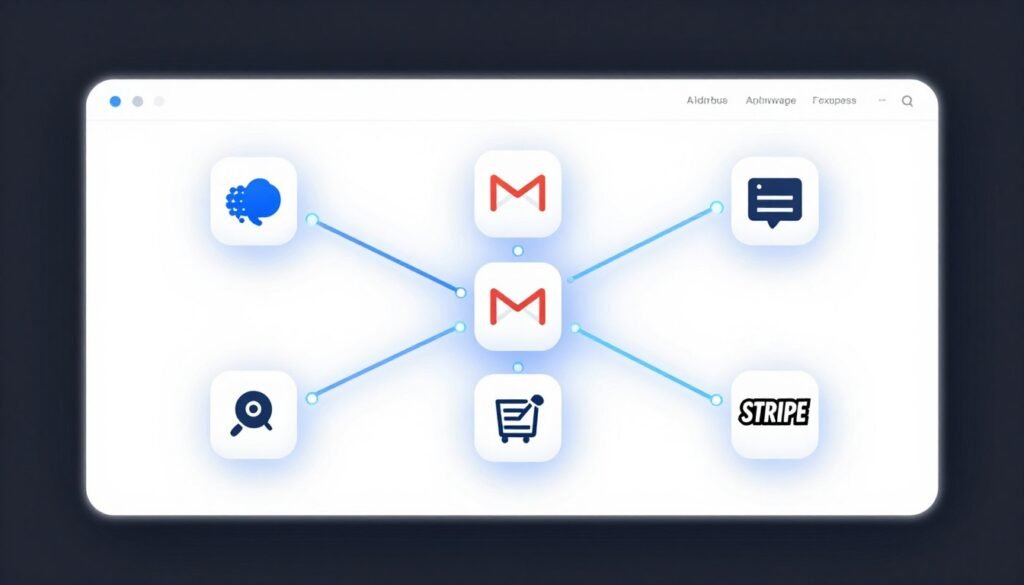
Establishing a startup today means building a digital infrastructure that functions without manual oversight. You can use low-code platforms to connect various products and software together seamlessly. These tools empower non-technical founders to design a sophisticated process that previously required a full engineering team.
When you integrate artificial intelligence into these platforms, your work becomes significantly more efficient. This setup allows your business to handle a 10x increase in volume without adding a single dollar to your payroll. Early implementation is the secret to building a highly profitable, scalable venture from your very first customer.
Five Critical Functions to Automate Immediately
You should focus on five key areas to save hours of founder time every week. First, automate customer onboarding by drafting personalized welcome emails based on user data. Second, use AI for support triage to classify requests and answer common questions instantly.
Third, simplify your content creation by using AI to turn rough outlines into polished social media posts and newsletters. Fourth, automate financial tasks like expense categorization and report generation to keep your books clean. Finally, use automation for repetitive data entry work to ensure high accuracy across all your tools.
By removing these administrative tasks, you can focus entirely on growth and high-level strategy. This approach allows smaller businesses to compete with much larger organizations. Automation is the foundation of modern entrepreneurship that helps small businesses scale at lightning speed.
Scale Your Marketing Output Without a Marketing Team
Scaling your reach used to require a dedicated department, but that era has ended. Marketing is where many solo founders feel most constrained by time and resources. While you may have product expertise, creating consistent content often feels like a second full-time job.
AI collapses this workload dramatically. It turns a creative bottleneck into a systematic, repeatable process. A founder spending just two hours daily on AI-assisted marketing can now outproduce a small team from five years ago.
Generate High-Quality Content at Unprecedented Speed

AI handles the full production pipeline by researching keyword opportunities and identifying gaps in the competitive landscape. These tools draft long-form articles, create landing page copy, and generate visual assets. This automated creation workflow ensures your brand stays active across all digital platforms.
Maintaining consistency is finally feasible for resource-constrained startups. By automating content creation, you establish a reliable lead flow that supports long-term growth. You no longer have to choose between building your product and promoting it to the world.
Optimize Campaigns with AI-Driven Data Analysis
AI elevates the quality of your strategies by analyzing competitor patterns and surfacing hidden search opportunities. It writes multiple ad copy variations and tests different positioning angles. This shift ensures your marketing budget goes toward tactics with predictable, high-value returns.
Advanced systems analyze performance data across every channel to recommend budget adjustments in real-time. For startups, this means achieving massive efficiency gains in customer acquisition. Founders can now use these insights to build a compounding growth flywheel through smarter marketing.
Build a Structural Competitive Advantage with AI-First Thinking
Building a company with AI at its core creates a durable advantage that competitors struggle to copy. This structural competitive advantage is about more than just working faster. It represents a fundamental shift in how founders build and scale in the modern tech space.
When you start with an AI-first approach, you make different choices about what is possible. Solo founders can now enter markets that once required dozens of employees. This new business model allows you to take on projects that used to seem too ambitious.

Established companies often struggle to keep up because their old structures are too rigid. Your ability to move quickly and stay lean becomes a permanent barrier to entry. This is how you create long-term value while keeping your overhead low.
True longevity comes from integrating intelligence into the very foundation of your startup. It is not a temporary tactical edge but a foundational capability difference. This mindset changes your entire trajectory from day one.
Create a Compounding Growth Flywheel
The compounding effect of AI creates a powerful flywheel for your business. When you use AI to build products faster, you gain a massive advantage in innovation. You spend less time on manual coding and more time talking to your customers.
Better insights lead to a superior product, which naturally drives faster growth. As you grow, you collect more data that makes your AI tools even more effective. This self-reinforcing cycle accelerates over time, leaving traditional competitors behind.
In fact, an AI-enabled founder can often complete ten testing cycles in the time a traditional team finishes one. This speed allows you to adapt to market feedback almost instantly. You aren’t just working harder; you are learning faster than everyone else in the market.
Master the Balance Between Human Judgment and AI Execution
The most successful founders know which tasks to delegate and which to keep. Strategic decisions and creative vision must remain human domains. AI handles the heavy lifting, but humans provide the ethical judgment and the emotional connection.
Developing this specific operational model is what separates winners from the rest. You must treat AI as an input rather than the final decision-maker. This way of working ensures that your brand maintains its unique personality and soul.
Modern organizational models are moving toward smaller, highly leveraged teams. These companies prioritize relationship building and high-level problem solving. By using this approach, you ensure that your human talent focuses on the few things that truly move the needle.
The goal is not to replace the founder, but to amplify the founder’s vision through a relentless focus on high-leverage activities.
| Competitive Factor | AI-First Founder | Traditional Startup |
|---|---|---|
| Speed of innovation | Days or hours per cycle | Weeks or months per cycle |
| Organizational Scale | Hyper-lean, high leverage | Large, headcount-dependent |
| Data Utilization | Real-time feedback loops | Manual reporting and lag |
| Market Entry | Low cost, high ambition | High capital requirements |
Your Step-by-Step AI Implementation Roadmap for Founders
Building an AI-driven business doesn’t happen overnight, but following a structured path makes the process manageable for any leader. These steps highlight the most effective ways to integrate modern software into your daily workflow. You can achieve more with fewer resources by focusing on high-impact systems first.
Start with One Tool and Master It Completely

Every founder should start by identifying their biggest bottleneck. If you need to build a product, choose specialized vibe coding tools, but if you need marketing, pick a top-tier AI assistant. A founder who masters one of these tools provides more value than one who knows five poorly.
Before you hire anyone, ask the right questions about whether a digital way exists to handle the task. You will find that AI can handle repetitive work more often than you think. Use these tools to protect your time and keep your overhead low while you scale.
Stay current because the landscape of AI tools changes every month. Follow builders who share their workflows and be willing to switch platforms when something better emerges. Deep mastery over your primary stack is your greatest competitive advantage in the early stages.
Test More Ideas, Validate Faster, Fail Cheaper
The cost to test a new idea has dropped to nearly zero. Use automated tools to build quick prototypes and show them to real people immediately. These strategies allow you to find a winning startup concept without wasting months of manual effort.
Focus on your judgment rather than just execution. As tools handle the heavy lifting, your value lies in choosing the right ideas to pursue. Kill any idea that doesn’t resonate and keep testing until you find a true market fit.
This implementation roadmap is accessible to everyone, even those without a technical background. Thousands of people are using these tools to build massive businesses with tiny teams. It is the most efficient ways to turn a vision into a reality in today’s market.
Conclusion
The massive shift in the tech sector is here. AI has changed business by providing access to tools where small teams get big results. Recent data shows that 70% of startups now pay for AI.
Monthly spending for these companies has risen to over $5,000 as they integrate deeper features. This platform for innovation and creation will grow in the coming years. Smart founders use these ways to scale.
Ultimately, AI is about boosting human potential rather than replacing it. By stopping busywork, it frees you to focus on the vision that builds great startups.
This transformation represents the new reality for the global world. Early adoption is key to leading the future of startups everywhere around us.