
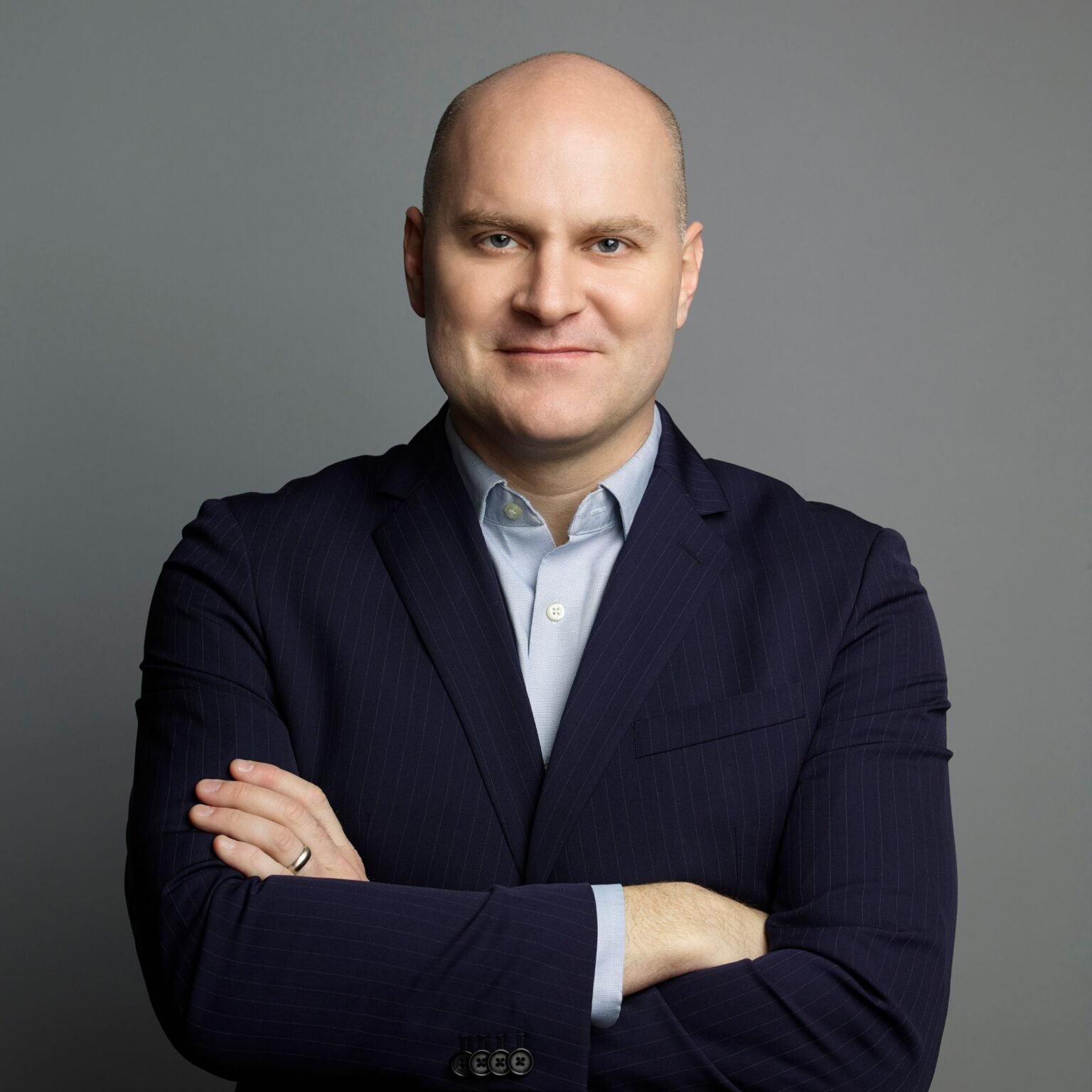
Why Patrick McCarthy switched off SneakerPing’s paywall
Patrick McCarthy is the founder of SneakerPing, which tracks sneaker prices across StockX, GOAT and eBay and emails buyers when a pair reaches a price they set. After building two paid plans and then switching off upgrade prompts, McCarthy explains why early user behavior mattered more than a pricing test with too little traffic.
McCarthy’s experience suggests that pricing is hard to evaluate when few users see the offer. He argues for measuring whether people use a product’s core feature and return before treating monetization as the main obstacle.
What’s one opinion about your industry that most of your peers would disagree with?
A small consumer app should not charge until it knows people come back. The standard move in price tracking is a free tier that watches a couple of items and a paid tier with the alerts worth having. I built that, with two paid plans and the billing behind them, and then I switched the paid pitch off. Nobody who signs up today sees an upgrade prompt.
What convinced you? Tell us about the moment, client or result that changed your mind.
The numbers were too small to argue with. Over 90 days the pricing page got 15 views. The free plan capped people at five tracked pairs, and 6 of 364 free users ever reached the cap. I was guarding a gate almost nobody walked up to. At that size a pricing test cannot tell you anything, because there are not enough people in it to read a result.
What’s the usual way people in your field handle this, and what do you do instead?
The usual way is to decide what is premium before launch and hold it back. I did the reverse. The free limit went from 5 pairs to 100, the upgrade prompts came out, and the billing code stayed in place behind a single switch. The site earns through affiliate links when someone buys a pair it found for them, which fits how these buyers think. They will not pay a monthly fee, but they are happy for the store to pay a commission on a pair they wanted anyway.
Where has this view cost you, or where have you had to admit you were partly wrong?
Two places. I spent weeks building plans and billing that now sit switched off. And removing the paywall did not make more people start using the product. About 6 in 10 new signups set their first alert within a week before the change, and about 6 in 10 do now. I expected that number to rise and it did not. The paywall was not what stopped people, so I still have to find what does.
What should someone in your field stop doing, and what should they start doing?
Stop reading a quiet pricing page as a pricing problem. If a few dozen people a month see your offer, no price is going to fix that. Start measuring whether a new user does the one thing the product is for in their first week, and whether they come back to do it again. Bring the paid plan back when enough people rely on something to make a price test readable. For me that is about 2,000 monthly users.
Thank you to Patrick McCarthy and the team at SneakerPing for sharing an honest view with Leaders Perception readers.
Have a view your industry needs to hear?
Leaders Perception publishes interviews with business owners and leaders who see their industry differently. Five questions, about ten minutes, no calls. It is free and every completed interview gets published.